Manikonda & Puppalguda Clinic โ€ข Home Physiotherapy Visits

    Fracture Treatment Physiotherapy & Rehabilitation in Manikonda, Hyderabad

    Specialized post-fracture physical therapy to eliminate joint stiffness, reverse muscle atrophy, and restore full functional strength following bone healing.

    Dr. Hamid, BPT, MPT (8+ Yrs)
    Evidence-Based Care
    Home Physiotherapy Visits

    ๐Ÿ“ Opp: HDFC Bank ATM, near Friends Colony Park, Puppalguda, Manikonda. Same-day appointments available.

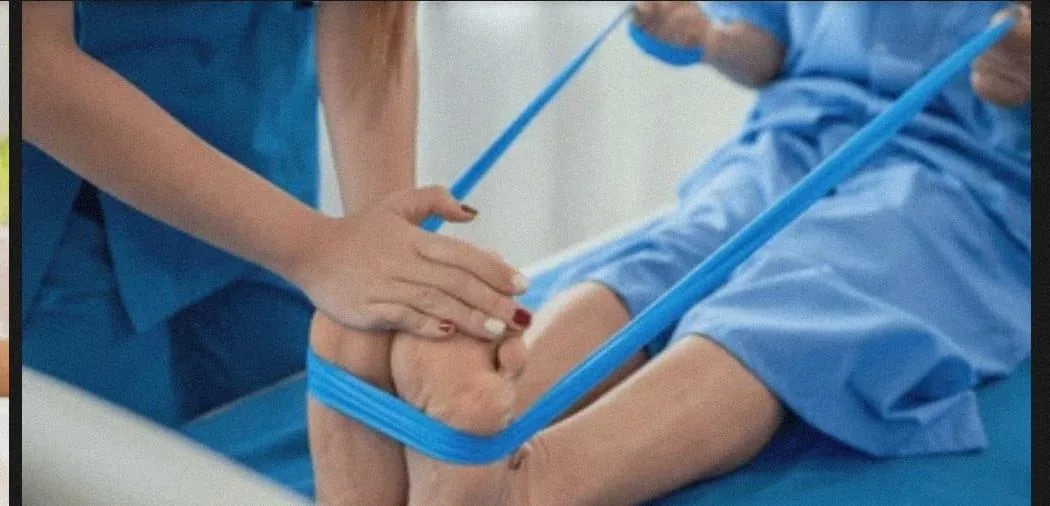
    Post-fracture rehabilitation and limb mobilization therapy in Manikonda
    Sports, Post-Op & GeneralVerified Clinical Protocol

    1-on-1 personalized sessions by Dr. Mohammed Hamid Ali, BPT, MPT (Orthopedics). Complete assessment and progressive milestone recovery.

    Clinical Overview & Definition

    What is Fracture Treatment & Rehabilitation?

    Fracture rehabilitation is the essential therapeutic process undertaken after a broken bone has attained clinical and radiological union, whether managed conservatively via plaster casts and splints or surgically via plates, screws, and intramedullary rods. While immobilization is necessary for bone callus formation, it leads to severe secondary complications: joint contracture, muscular atrophy, tendon adhesion, osteopenia, and impaired proprioception. At Dr. Hamid's Physio and Pain Clinic in Manikonda, fracture rehabilitation systematically reverses these immobilization complications, restoring maximum joint range of motion, rebuilding bone density through safe weight-bearing, and returning patients to confident daily life.

    How Targeted Physiotherapy Restores Function

    Once your orthopedic surgeon confirms bone union on follow-up X-rays, physiotherapy is crucial to unlock frozen joints and awaken wasted muscles. Dr. Mohammed Hamid Ali (BPT) uses gentle physiological and accessory joint mobilizations, therapeutic ultrasound to soften periarticular adhesions, and progressive resistance exercises. This safe, calibrated loading stimulates bone remodeling (Wolff's Law), prevents chronic regional pain syndrome (CRPS), and restores full limb dexterity.

    Common Causes

    Primary mechanical, postural, and physiological factors observed in our Manikonda clinic:

    • Road traffic accidents, bike skids, and vehicular collisions causing complex skeletal fractures
    • Slip and fall accidents at home or work leading to Colles fractures of the wrist or hip fractures
    • Sports-related direct blows or high-impact collisions fracturing clavicles, tibias, or metatarsals
    • Prolonged cast or splint immobilization causing periarticular fibrosis and muscle wasting
    • Osteoporotic fragility fractures in seniors caused by minor low-energy mechanical falls

    Frequent Symptoms

    Signs and functional limitations indicating need for physical therapy:

    • Severe joint stiffness and inability to bend or straighten the joint adjacent to the fracture
    • Visible muscle thinning (atrophy) and weakness in the affected extremity
    • Persistent swelling, dusky discoloration, and circulatory sluggishness after cast removal
    • Deep bone ache or soft tissue tenderness during initial attempts at weight-bearing
    • Apprehension and loss of confidence when attempting functional tasks like writing, typing, or walking
    Step-by-Step Clinical Assessment

    Our Diagnostic Evaluation in Manikonda

    Before applying any treatment, Dr. Mohammed Hamid Ali, BPT, MPT (Orthopedics) conducts a comprehensive 45-minute clinical evaluation to pinpoint the exact musculoskeletal root cause.

    1
    Thorough review of fracture type, reduction method, orthopedic fixation hardware, and recent union X-rays
    2
    Detailed inspection of skin condition, cast-induced skin changes, surgical scars, and residual edema
    3
    Accurate goniometric range of motion assessment of joints above and below the fracture site
    4
    Manual muscle testing (MMT) to quantify localized muscle loss and disuse weakness
    5
    Sensory testing and neurovascular screening to ensure intact peripheral nerve function
    Multimodal Treatment Protocol

    Evidence-Based Treatment Approach

    We integrate hands-on manual mobilizations, targeted electro-physical modalities, and progressive active exercise therapy:

    Whirlpool or warm moist thermal therapy followed by manual lymphatic drainage to clear post-cast swelling
    Grade I-III Maitland joint mobilizations to restore capsular glide without stressing the healing callus
    Progressive active-assisted range of motion transitioning to active full physiological movements
    Calibrated progressive resistance training utilizing therapeutic bands, dumbbells, and body weight
    Dynamic balance retraining, gait re-education, and functional task simulation for complete independence
    Expected Recovery Timeline

    Upper limb fractures (wrist, forearm, humerus) typically regain functional mobility within 4 to 8 weeks post-cast removal. Lower limb fractures (ankle, tibia, femur) require 8 to 14 weeks of progressive weight-bearing and strength training to restore normal unassisted walking.

    Home Care & Ergonomics

    • Elevate the limb on pillows during rest periods to prevent dependent fluid accumulation
    • Perform gentle active finger or toe wiggling regularly to stimulate circulation and lymphatic flow
    • Apply prescribed moisturizers to skin that was enclosed in plaster casts to restore skin barrier health
    • Adhere strictly to your graduated weight-bearing schedule as outlined by Dr. Hamid

    When to Consult Dr. Hamid

    Schedule your physiotherapy session immediately upon plaster cast removal or as cleared by your surgeon. If you experience severe stiffness, swelling, or fear moving your healing arm or leg, Dr. Hamid will guide your safe recovery.

    Frequently Asked Questions

    Patient Questions & Answers

    Clear clinical answers by Dr. Mohammed Hamid Ali to help you make informed decisions about your rehabilitation.