Manikonda & Puppalguda Clinic โ€ข Home Physiotherapy Visits

    Neck Pain Physiotherapy in Manikonda, Hyderabad

    Effective care for neck pain, stiffness, cervical strain, and posture-related neck problems caused by long hours of desk work or mobile use.

    Dr. Hamid, BPT, MPT (8+ Yrs)
    Evidence-Based Care
    Home Physiotherapy Visits

    ๐Ÿ“ Opp: HDFC Bank ATM, near Friends Colony Park, Puppalguda, Manikonda. Same-day appointments available.

    Neck pain physiotherapy and cervical care in Manikonda clinic
    Neck & CervicalVerified Clinical Protocol

    1-on-1 personalized sessions by Dr. Mohammed Hamid Ali, BPT, MPT (Orthopedics). Complete assessment and progressive milestone recovery.

    Clinical Overview & Definition

    What is Neck Pain Physiotherapy?

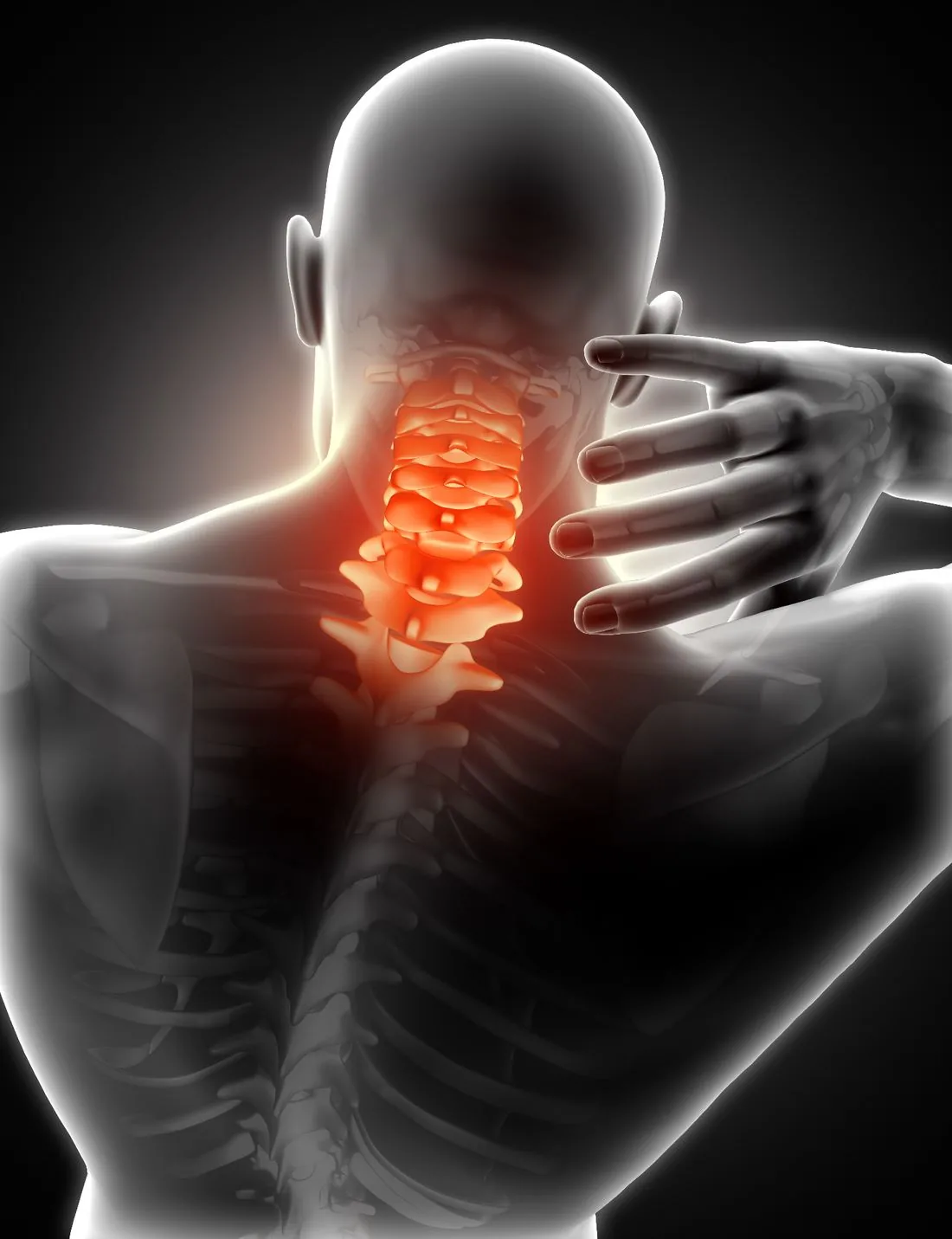
    Neck pain affects millions of adults, particularly IT professionals, desk workers, and commuters across Hyderabad. The cervical spine consists of seven delicate vertebrae supporting the weight of the human head (approximately 5 kg). When posture deviates forward, effective head weight increases up to 27 kg, straining posterior cervical muscles, facet joints, and nerve roots. At Dr. Hamid's Physio and Pain Clinic in Manikonda, we conduct precise musculoskeletal examinations to eliminate pain and restore full, unrestricted neck movement.

    How Targeted Physiotherapy Restores Function

    Physiotherapy relieves neck pain by restoring articular glide, releasing hypertonic muscle spasm, and retraining deep cervical postural flexors. Dr. Mohammed Hamid Ali (BPT) utilizes gentle Maitland cervical mobilizations, trigger point myofascial therapy, and targeted isometric postural retraining that permanently balances head position over the shoulder girdle.

    Common Causes

    Primary mechanical, postural, and physiological factors observed in our Manikonda clinic:

    • Forward head posture ('text neck') from prolonged laptop, monitor, and smartphone usage
    • Sleeping in awkward postures or using an unsupportive, overly high pillow
    • Acute cervical muscle strain from sudden head turning, driving jolts, or heavy lifting
    • Emotional stress and workplace tension accumulating in the upper trapezius and levator scapulae
    • Facet joint irritation and joint capsule micro-trauma from repetitive rotational strain
    • Cervical disc bulges or degenerative disc disease creating localized neck ache

    Frequent Symptoms

    Signs and functional limitations indicating need for physical therapy:

    • Stiffness and restricted head rotation, especially when checking blind spots while driving
    • Persistent dull, burning ache across the base of the skull, neck, and shoulder tops
    • Sharp pinching pain during neck extension (looking up) or lateral bending
    • Tension headaches radiating from the suboccipital region toward the temples or eyes
    • Tight, painful muscle knots (trigger points) in the upper back and neck
    Step-by-Step Clinical Assessment

    Our Diagnostic Evaluation in Manikonda

    Before applying any treatment, Dr. Mohammed Hamid Ali, BPT, MPT (Orthopedics) conducts a comprehensive 45-minute clinical evaluation to pinpoint the exact musculoskeletal root cause.

    1
    Cervical active and passive range of motion measurement (flexion, extension, rotation, lateral flexion)
    2
    Spurling's test and cervical distraction test to rule out nerve root compression
    3
    Palpation of cervical facet joints (C1 to C7) for hypomobility and local tenderness
    4
    Deep neck flexor endurance testing (craniocervical flexion test)
    5
    Evaluation of scapulothoracic posture, rounded shoulders, and upper thoracic mobility
    Multimodal Treatment Protocol

    Evidence-Based Treatment Approach

    We integrate hands-on manual mobilizations, targeted electro-physical modalities, and progressive active exercise therapy:

    Gentle manual cervical joint mobilizations to restore pain-free segmental movement
    Myofascial release of tight upper trapezius, levator scapulae, and suboccipitals
    Retraining of the longus capitis and longus colli (deep neck flexors) for postural support
    Thoracic spine mobilizations to alleviate compensatory cervical over-flexion
    Workplace ergonomic workstation review and customized home exercise program
    Expected Recovery Timeline

    Acute mechanical neck pain usually resolves within 3 to 6 sessions (1 to 2 weeks). Chronic postural neck pain achieves significant lasting relief within 3 to 5 weeks of guided strengthening.

    Home Care & Ergonomics

    • Position your computer monitor so the top third of the screen is at eye level
    • Take micro-breaks every 30 to 45 minutes to perform gentle chin tucks
    • Use an ergonomic contour pillow that supports the natural curve of your neck
    • Apply moist warm towels for 15 minutes to soothe tight neck muscles before bed
    • Avoid cradling mobile phones between your ear and shoulder

    When to Consult Dr. Hamid

    Schedule an assessment if neck pain persists for more than 48 hours, causes severe headaches, radiates into your arms, or prevents normal driving and work.

    Frequently Asked Questions

    Patient Questions & Answers

    Clear clinical answers by Dr. Mohammed Hamid Ali to help you make informed decisions about your rehabilitation.