Manikonda & Puppalguda Clinic โ€ข Home Physiotherapy Visits

    Cervical Spondylosis Physiotherapy in Manikonda, Hyderabad

    Specialized clinical rehabilitation for age-related cervical spine degeneration, osteophytes, and facet joint arthritis.

    Dr. Hamid, BPT, MPT (8+ Yrs)
    Evidence-Based Care
    Home Physiotherapy Visits

    ๐Ÿ“ Opp: HDFC Bank ATM, near Friends Colony Park, Puppalguda, Manikonda. Same-day appointments available.

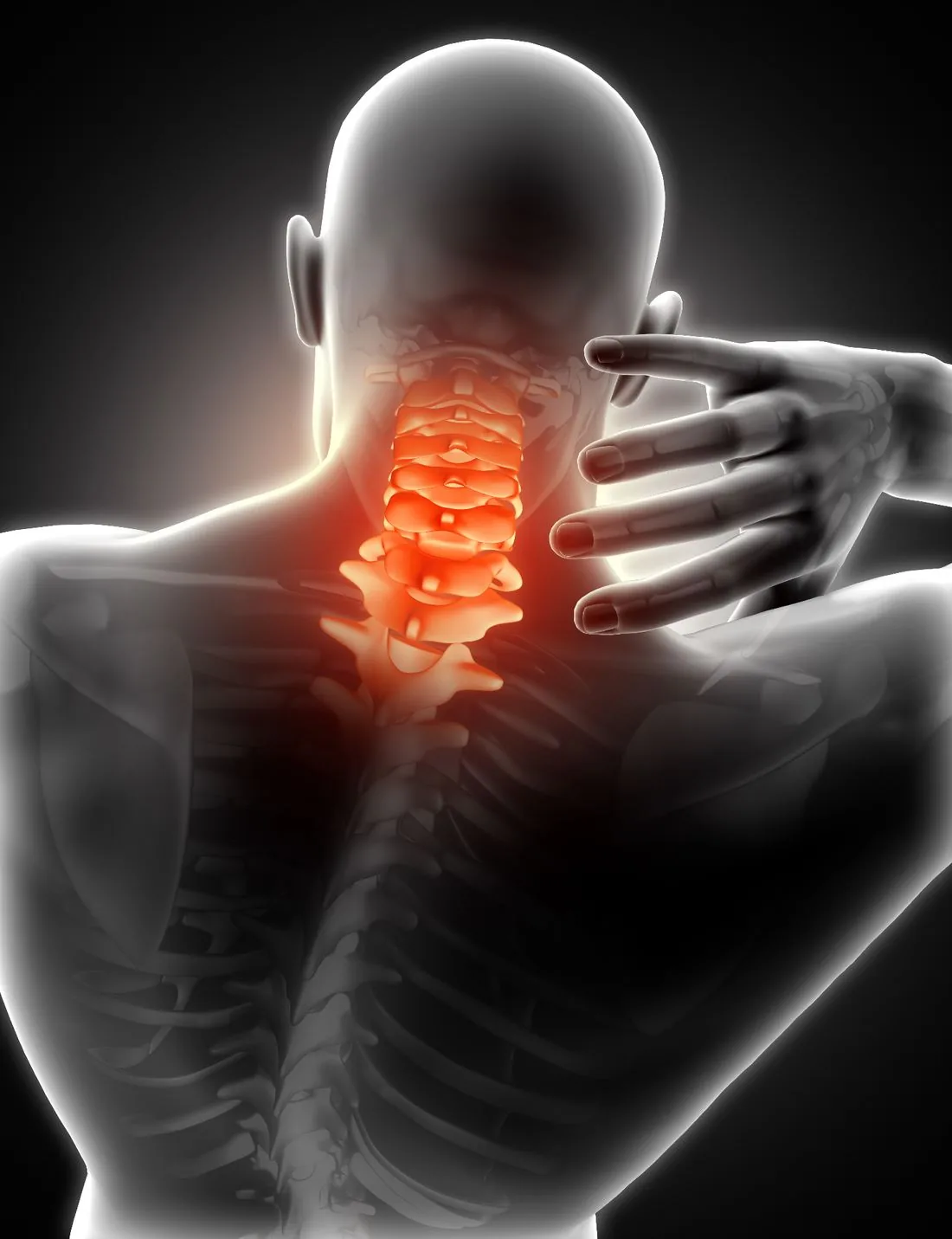
    Cervical spondylosis physiotherapy and neck arthritis care in Manikonda clinic
    Neck & CervicalVerified Clinical Protocol

    1-on-1 personalized sessions by Dr. Mohammed Hamid Ali, BPT, MPT (Orthopedics). Complete assessment and progressive milestone recovery.

    Clinical Overview & Definition

    What is Cervical Spondylosis Physiotherapy?

    Cervical spondylosis is an age-related degenerative condition of the cervical spine involving wear and tear of intervertebral discs, formation of bone spurs (osteophytes), and facet joint arthrosis. Common in adults over 40 and increasingly seen in younger desk workers, it leads to chronic stiffness, reduced head turning range, suboccipital headaches, and occasionally lightheadedness. At Dr. Hamid's Physio and Pain Clinic in Manikonda, Hyderabad, our clinical rehabilitation restores joint mobility, relieves muscular spasm, and retrains postural endurance to ensure comfortable, pain-free daily living.

    How Targeted Physiotherapy Restores Function

    Physiotherapy keeps arthritic cervical joints mobile, lubricates articular surfaces with synovial fluid, and removes excessive mechanical stress. Dr. Mohammed Hamid Ali (BPT) combines gentle oscillatory joint mobilizations, suboccipital myofascial release, supportive heat/electrotherapy, and progressive cervical isometric exercises that stabilize the neck without grinding the joints.

    Common Causes

    Primary mechanical, postural, and physiological factors observed in our Manikonda clinic:

    • Natural age-related dehydration and height loss of cervical intervertebral discs
    • Development of marginal osteophytes (bone spurs) around vertebral bodies and facet joints
    • Decades of sustained forward head posture accelerating cervical joint wear
    • Loss of cervical lordosis ('straightening' of the normal neck curve)
    • Muscular atrophy and fatigue of the deep cervical stabilizing musculature

    Frequent Symptoms

    Signs and functional limitations indicating need for physical therapy:

    • Persistent stiffness and difficulty turning the head while driving or looking behind
    • Crepitation, cracking, or grinding sensations during head rotation
    • Suboccipital headaches radiating from the base of the skull toward the temples
    • Pain and heaviness in the neck and shoulders after prolonged sitting or computer work
    • Occasional episodes of postural unsteadiness or lightheadedness when changing head positions
    Step-by-Step Clinical Assessment

    Our Diagnostic Evaluation in Manikonda

    Before applying any treatment, Dr. Mohammed Hamid Ali, BPT, MPT (Orthopedics) conducts a comprehensive 45-minute clinical evaluation to pinpoint the exact musculoskeletal root cause.

    1
    Careful evaluation of cervical range of motion and joint end-feel
    2
    Vertebral artery test (VBI screening) to ensure vascular safety during movement
    3
    Palpation of upper cervical facet joints (C2-C3, C3-C4) and cervicothoracic junction
    4
    Assessment of thoracic kyphosis and rounded shoulder posture contributing to cervical stress
    5
    Review of cervical X-ray or MRI findings to understand disc height and osteophyte locations
    Multimodal Treatment Protocol

    Evidence-Based Treatment Approach

    We integrate hands-on manual mobilizations, targeted electro-physical modalities, and progressive active exercise therapy:

    Gentle Grade I-III oscillatory joint mobilizations to lubricate degenerative facet joints
    Suboccipital release to eliminate cervicogenic tension headaches
    Isometric neck strengthening (multi-directional resistance without joint movement)
    Supportive heat therapy and gentle electrotherapy to soothe chronic muscular aching
    Ergonomic pillow prescription and posture pacing strategies for daily life
    Expected Recovery Timeline

    Most patients experience a significant reduction in stiffness and headache frequency within 3 to 4 weeks (8 to 10 sessions), with long-term comfort sustained through simple daily home maintenance exercises.

    Home Care & Ergonomics

    • Perform gentle neck isometric presses (forward, back, side) for 5 seconds each daily
    • Apply moist warmth to your neck for 15 minutes every morning to loosen overnight stiffness
    • Choose a pillow that matches the distance between your ear and shoulder tip when on your side
    • Avoid keeping your neck turned to one side for prolonged periods while watching TV or reading
    • Incorporate daily gentle shoulder rolls and shoulder blade squeezes

    When to Consult Dr. Hamid

    Schedule a consultation if neck stiffness limits your daily activities, causes frequent morning headaches, or makes turning your head uncomfortable.

    Frequently Asked Questions

    Patient Questions & Answers

    Clear clinical answers by Dr. Mohammed Hamid Ali to help you make informed decisions about your rehabilitation.