Manikonda & Puppalguda Clinic โ€ข Home Physiotherapy Visits

    Cervical Radiculopathy Physiotherapy in Manikonda, Hyderabad

    Specialized clinical rehabilitation for pinched cervical nerves, radiating arm pain, and nerve root compression.

    Dr. Hamid, BPT, MPT (8+ Yrs)
    Evidence-Based Care
    Home Physiotherapy Visits

    ๐Ÿ“ Opp: HDFC Bank ATM, near Friends Colony Park, Puppalguda, Manikonda. Same-day appointments available.

    Cervical radiculopathy physiotherapy and pinched nerve treatment in Manikonda clinic
    Neck & CervicalVerified Clinical Protocol

    1-on-1 personalized sessions by Dr. Mohammed Hamid Ali, BPT, MPT (Orthopedics). Complete assessment and progressive milestone recovery.

    Clinical Overview & Definition

    What is Cervical Radiculopathy Physiotherapy?

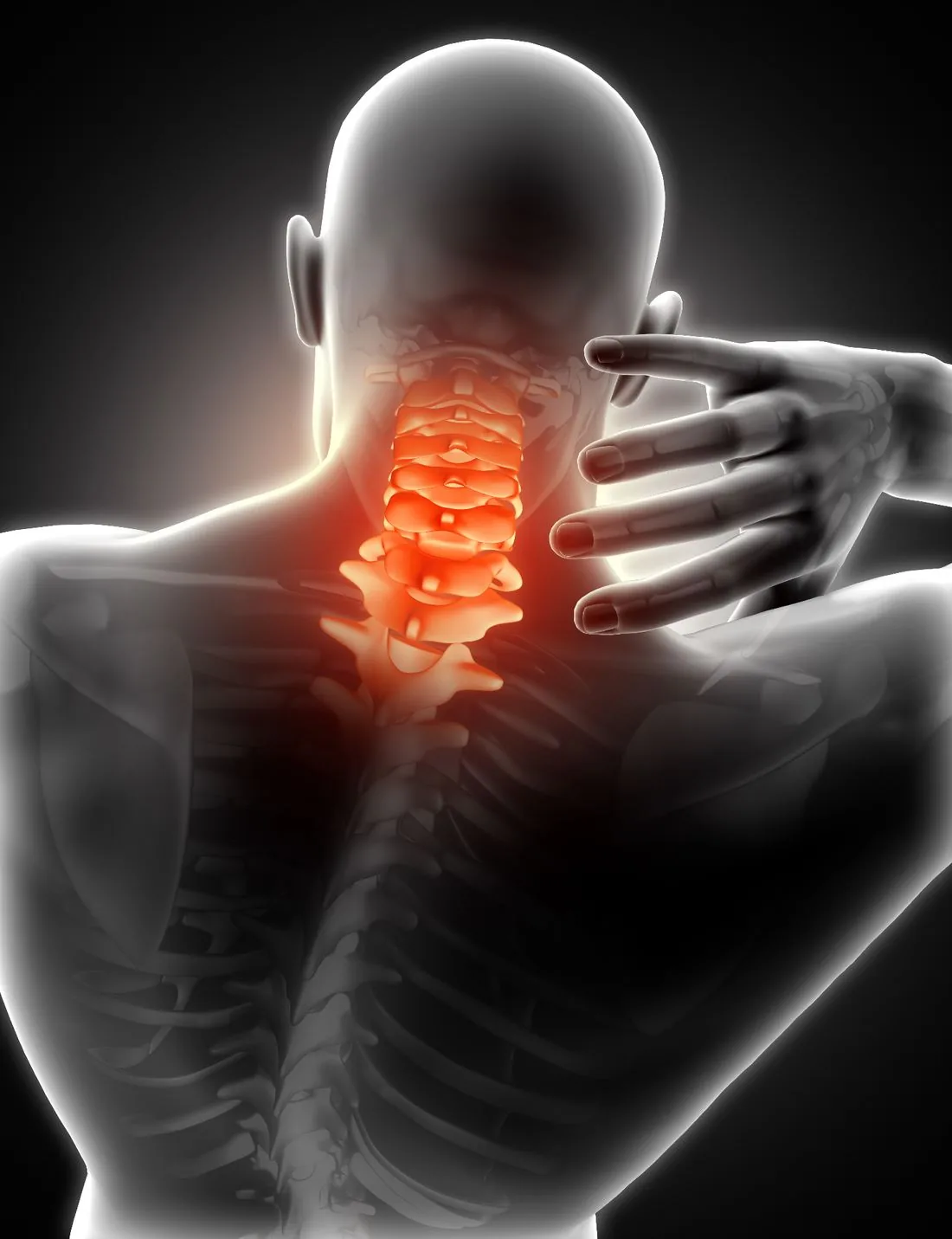
    Cervical radiculopathy, commonly known as a 'pinched nerve' in the neck, occurs when a nerve root in the cervical spine becomes compressed or irritated as it exits the spinal canal. This compression typically results from a herniated disc, bone spurs (osteophytes), or degenerative foraminal narrowing. The condition causes characteristic radiating pain, numbness, tingling, and weakness following specific dermatomal patterns into the shoulder, arm, and hand. At Dr. Hamid's Physio and Pain Clinic in Manikonda, Hyderabad, we provide evidence-based non-surgical treatment that decompresses the affected nerve root and restores comfortable, pain-free arm and neck function.

    How Targeted Physiotherapy Restores Function

    Cervical radiculopathy responds excellently to conservative physiotherapy. Dr. Mohammed Hamid Ali, BPT, MPT (Orthopedics) utilizes manual cervical traction to open the intervertebral foramen, neural mobilization techniques to restore free nerve gliding, and directional movement exercises that centralize symptoms. This multimodal approach decompresses the nerve root, reduces inflammation, and addresses the underlying mechanical dysfunction.

    Common Causes

    Primary mechanical, postural, and physiological factors observed in our Manikonda clinic:

    • Herniated or protruded cervical intervertebral disc (most commonly at C5-C6 or C6-C7)
    • Degenerative disc disease with loss of disc height narrowing the intervertebral foramen
    • Cervical osteophytes (bone spurs) encroaching on the nerve root exit pathway
    • Uncovertebral joint hypertrophy and facet joint arthrosis
    • Acute cervical disc injury from trauma or sudden neck movements

    Frequent Symptoms

    Signs and functional limitations indicating need for physical therapy:

    • Sharp, electric-like or burning pain shooting from the neck down into the shoulder, arm, or hand
    • Numbness, tingling, or 'pins and needles' in specific finger patterns (thumb and index finger for C6; middle finger for C7)
    • Weakness in specific muscle groups (biceps, triceps, wrist extensors, or grip strength)
    • Pain aggravated by looking up (cervical extension) or turning the head toward the painful side
    • Deep aching in the medial border of the shoulder blade
    Step-by-Step Clinical Assessment

    Our Diagnostic Evaluation in Manikonda

    Before applying any treatment, Dr. Mohammed Hamid Ali, BPT, MPT (Orthopedics) conducts a comprehensive 45-minute clinical evaluation to pinpoint the exact musculoskeletal root cause.

    1
    Upper Limb Neurodynamic Tests (ULNT 1, 2, 3) to evaluate median, radial, and ulnar nerve tension
    2
    Detailed myotomal strength testing for C5-T1 nerve root motor function
    3
    Dermatomal sensory mapping to identify the specific compressed nerve root
    4
    Deep tendon reflex testing (biceps C5, brachioradialis C6, triceps C7)
    5
    Spurling's test and cervical distraction test to confirm nerve root involvement
    Multimodal Treatment Protocol

    Evidence-Based Treatment Approach

    We integrate hands-on manual mobilizations, targeted electro-physical modalities, and progressive active exercise therapy:

    Gentle manual cervical traction to open the intervertebral foramen and relieve nerve compression
    Neural mobilization (neurodynamic glides) to restore free movement of the affected nerve
    Cervical retraction and directional exercises to centralize radiating symptoms
    Myofascial release of scalenes, levator scapulae, and pectoralis minor to reduce neural tension
    Deep cervical flexor strengthening and postural correction to maintain foraminal opening
    Expected Recovery Timeline

    Most patients with cervical radiculopathy experience significant reduction in radiating pain and tingling within 2 to 4 weeks (6 to 12 sessions). Complete resolution of symptoms and restoration of full arm strength typically occurs within 6 to 10 weeks of consistent therapy.

    Home Care & Ergonomics

    • Avoid sleeping on multiple high pillows that push your neck into flexion
    • Never push through sharp shooting arm pain during daily activities
    • Perform gentle prescribed nerve gliding exercises smoothly without forcing
    • Use a cervical roll or supportive pillow to maintain neutral neck alignment during sleep
    • Keep your phone and reading material at eye level to avoid prolonged neck bending

    When to Consult Dr. Hamid

    Seek immediate physiotherapy assessment if you experience radiating arm pain, numbness in your hand, or weakness when gripping objects. Early intervention prevents chronic nerve irritation.

    Frequently Asked Questions

    Patient Questions & Answers

    Clear clinical answers by Dr. Mohammed Hamid Ali to help you make informed decisions about your rehabilitation.