Manikonda & Puppalguda Clinic โ€ข Home Physiotherapy Visits

    Back Pain Physiotherapy in Manikonda, Hyderabad

    Clinical physiotherapy for acute and chronic lower back pain, muscle spasm, postural strain, and movement-related back discomfort in Manikonda. Focus on pain relief, mobility restoration, and preventing recurrence.

    Dr. Hamid, BPT, MPT (8+ Yrs)
    Evidence-Based Care
    Home Physiotherapy Visits

    ๐Ÿ“ Opp: HDFC Bank ATM, near Friends Colony Park, Puppalguda, Manikonda. Same-day appointments available.

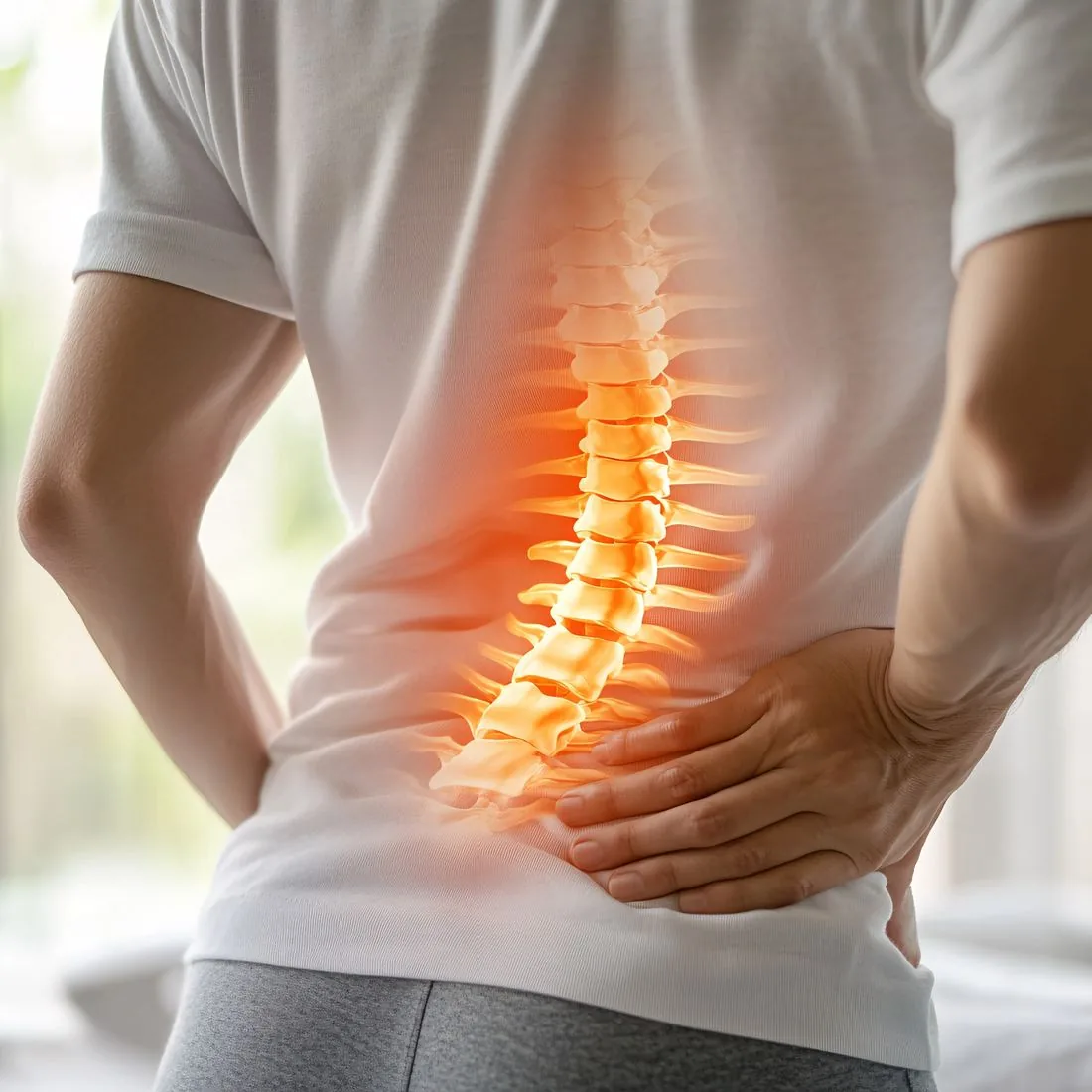
    Back pain physiotherapy treatment and spinal care in Manikonda clinic
    Spine & BackVerified Clinical Protocol

    1-on-1 personalized sessions by Dr. Mohammed Hamid Ali, BPT, MPT (Orthopedics). Complete assessment and progressive milestone recovery.

    Clinical Overview & Definition

    What is Back Pain Physiotherapy?

    Back pain is the leading cause of activity restriction and workplace absence worldwide. It encompasses discomfort ranging from a dull, persistent ache in the lumbar spine to sudden, debilitating spasms that restrict simple daily movements such as bending, sitting, or standing up. At Dr. Hamid's Physio and Pain Clinic in Manikonda, Hyderabad, we look beyond surface symptoms to identify whether your back pain is rooted in disc pathology, facet joint irritation, ligamentous strain, or deep muscular imbalances.

    How Targeted Physiotherapy Restores Function

    Guidelines support advice, self-management, continued activity and exercise for many people with low back pain. After an assessment, Dr. Mohammed Hamid Ali can discuss an individual plan that may include progressive exercise and manual therapy as part of an active rehabilitation program.

    Common Causes

    Primary mechanical, postural, and physiological factors observed in our Manikonda clinic:

    • Prolonged sedentary sitting in non-ergonomic office chairs during software and desk work
    • Improper lifting mechanics placing excessive shear stress on the lower lumbar vertebrae
    • Weakness in deep spinal stabilizing musculature (transversus abdominis and multifidus)
    • Lumbar facet joint degeneration and age-related spinal wear
    • Sudden awkward twisting movements or sports-related muscular overload
    • Hip joint stiffness transferring excessive compensatory movement to the lumbar spine

    Frequent Symptoms

    Signs and functional limitations indicating need for physical therapy:

    • Continuous aching or sharp pain across the lower back after sitting or standing
    • Stiffness and inability to bend forward to tie shoes or pick objects from the floor
    • Pain aggravated by prolonged driving or working long hours at a laptop
    • Muscle guarding, spasms, and tenderness along the lumbar paraspinal muscles
    • Difficulty standing fully erect immediately after getting out of bed or a chair
    Step-by-Step Clinical Assessment

    Our Diagnostic Evaluation in Manikonda

    Before applying any treatment, Dr. Mohammed Hamid Ali, BPT, MPT (Orthopedics) conducts a comprehensive 45-minute clinical evaluation to pinpoint the exact musculoskeletal root cause.

    1
    Detailed clinical history of pain onset, daily aggravating factors, and previous treatments
    2
    Postural alignment and pelvic tilt assessment in standing and sitting positions
    3
    Active and passive lumbar range of motion testing (flexion, extension, lateral flexion, rotation)
    4
    Neurological screening including sensory testing, reflex integrity, and motor power
    5
    Palpation for facet joint tenderness, paraspinal spasm, and sacroiliac joint mobility
    Multimodal Treatment Protocol

    Evidence-Based Treatment Approach

    We integrate hands-on manual mobilizations, targeted electro-physical modalities, and progressive active exercise therapy:

    Hands-on spinal mobilization to restore hypomobile vertebral segment movement
    Myofascial trigger point release to eliminate painful lumbar muscle spasms
    Core stabilization retraining utilizing low-load progressive stabilization exercises
    Directional preference exercises (Mckenzie method) to centralize and resolve symptoms
    Ergonomic workstation adjustments and safe lifting technique education
    Expected Recovery Timeline

    Acute mechanical back pain typically shows significant symptom relief within 4 to 6 sessions (1 to 2 weeks). Chronic back pain with postural deconditioning generally achieves lasting spinal stability within 4 to 6 weeks of consistent guided therapy.

    Home Care & Ergonomics

    • Avoid prolonged bed rest and keep gently active as your symptoms allow
    • Use a supportive lumbar cushion behind your lower back while seated
    • Take standing breaks every 35 to 45 minutes to perform gentle standing lumbar extensions
    • Apply moist warmth for 15 minutes before daily prescribed stretches
    • Bend at your knees and hips rather than rounding your back when picking up items

    When to Consult Dr. Hamid

    Schedule a consultation if your back pain lasts more than 3 days, disrupts your sleep, makes sitting at work unbearable, or recurs whenever you increase your activity level.

    Frequently Asked Questions

    Patient Questions & Answers

    Clear clinical answers by Dr. Mohammed Hamid Ali to help you make informed decisions about your rehabilitation.