
Manikonda & Puppalguda Clinic โ€ข Home Physiotherapy Visits

    Sciatica Physiotherapy in Manikonda, Hyderabad

    Targeted treatment for sciatic nerve pain, radiating leg pain, tingling, numbness, and disc-related sciatica. Includes assessment, nerve mobility work, and progressive rehabilitation.

    Dr. Hamid, BPT, MPT (8+ Yrs)
    Evidence-Based Care
    Home Physiotherapy Visits

    ๐Ÿ“ Opp: HDFC Bank ATM, near Friends Colony Park, Puppalguda, Manikonda. Same-day appointments available.

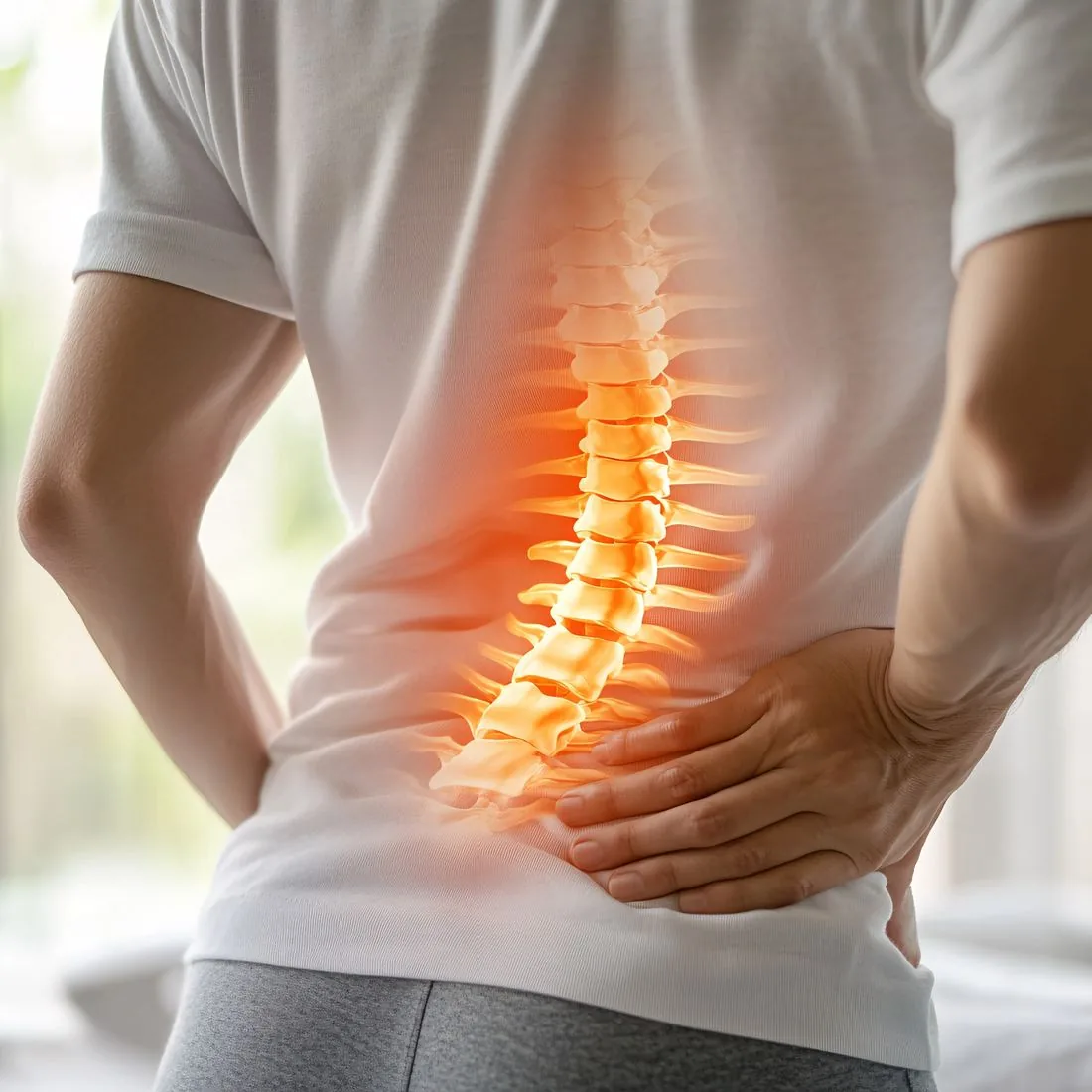
    Sciatica physiotherapy and sciatic nerve decompression in Manikonda clinic
    Spine & BackVerified Clinical Protocol

    1-on-1 personalized sessions by Dr. Mohammed Hamid Ali, BPT, MPT (Orthopedics). Complete assessment and progressive milestone recovery.

    Clinical Overview & Definition

    What is Sciatica Physiotherapy?

    Sciatica is nerve pain caused by irritation, inflammation, or mechanical compression of the sciatic nerve โ€” the largest nerve in the human body. The pain originates in the lower lumbar spine or buttock and radiates down through the back of the thigh, calf, and into the foot. At Dr. Hamid's Physio and Pain Clinic in Manikonda, we pinpoint the exact anatomical site of sciatic nerve entrapment โ€” whether from a lumbar disc herniation, spinal canal narrowing, or piriformis muscle impingement.

    How Targeted Physiotherapy Restores Function

    Sciatica physiotherapy focuses on neural decompression, nerve desensitization, and addressing the mechanical source of compression. Through specific neural mobilization (neurodynamic sliders and tensioners), Dr. Mohammed Hamid Ali (BPT) restores smooth gliding of the sciatic nerve along its anatomical pathway while relieving mechanical disc pressure through directional extension and pelvic alignment.

    Common Causes

    Primary mechanical, postural, and physiological factors observed in our Manikonda clinic:

    • Herniation or protrusion of the L4-L5 or L5-S1 lumbar intervertebral disc compressing the nerve root
    • Piriformis syndrome, where a tight piriformis muscle in the buttock compresses the passing sciatic nerve
    • Lumbar canal stenosis causing neural narrowing around the exiting nerve roots
    • Degenerative disc disease leading to reduced neuroforaminal space in the lumbar spine
    • Sacroiliac joint dysfunction creating compensatory pelvic torsion and neural irritation

    Frequent Symptoms

    Signs and functional limitations indicating need for physical therapy:

    • Electric shock-like, burning, or shooting pain radiating from the lower back or buttock down the leg
    • Persistent numbness, tingling ('pins and needles') in the calf, heel, or toes
    • Pain that worsens significantly upon prolonged sitting, coughing, or sneezing
    • Weakness or heaviness in the affected leg making normal walking or toe-standing difficult
    • Difficulty standing up straight or finding a comfortable sleeping posture
    Step-by-Step Clinical Assessment

    Our Diagnostic Evaluation in Manikonda

    Before applying any treatment, Dr. Mohammed Hamid Ali, BPT, MPT (Orthopedics) conducts a comprehensive 45-minute clinical evaluation to pinpoint the exact musculoskeletal root cause.

    1
    Straight Leg Raise (SLR) and Slump neurodynamic tests to assess sciatic nerve sensitivity
    2
    Detailed dermatomal sensory mapping and myotomal motor power evaluation (L4, L5, S1)
    3
    Differential testing between lumbar disc radiculopathy and piriformis syndrome
    4
    Spinal range of motion and directional preference assessment to find pain-relieving postures
    5
    Gait analysis to detect antalgic limping or subtle foot drop
    Multimodal Treatment Protocol

    Evidence-Based Treatment Approach

    We integrate hands-on manual mobilizations, targeted electro-physical modalities, and progressive active exercise therapy:

    Neural mobilization techniques to restore physiological excursion of the sciatic nerve
    Directional extension therapy (McKenzie protocol) to centralize radiating leg symptoms
    Targeted deep gluteal and piriformis manual soft tissue release
    Gentle lumbar decompression traction and anti-inflammatory electro-modalities in acute flare-ups
    Progressive lumbo-pelvic stabilization exercises to protect the nerve root from re-compression
    Expected Recovery Timeline

    Most sciatica patients experience substantial centralization of leg pain within 2 to 3 weeks (6 to 9 sessions). Complete resolution of residual tingling and restoration of full walking endurance typically occurs over 4 to 8 weeks.

    Home Care & Ergonomics

    • Avoid sitting on soft, deep couches that force your lower spine into prolonged flexion
    • Place a supportive pillow under your knees when sleeping on your back, or between your knees when on your side
    • Never push through intense shooting nerve pain during home stretches
    • Perform gentle sciatic nerve gliding exercises strictly as demonstrated by Dr. Hamid
    • Apply ice packs to the lower back/upper buttock for 15 minutes to reduce acute nerve root inflammation

    When to Consult Dr. Hamid

    Consult Dr. Hamid promptly if shooting pain extends past your knee, your foot feels numb or heavy, or walking becomes difficult. Immediate emergency hospital evaluation is required if you experience loss of bowel or bladder control.

    Frequently Asked Questions

    Patient Questions & Answers

    Clear clinical answers by Dr. Mohammed Hamid Ali to help you make informed decisions about your rehabilitation.