Manikonda & Puppalguda Clinic โ€ข Home Physiotherapy Visits

    Lumbar Pain Physiotherapy in Manikonda, Hyderabad

    Targeted clinical therapy for lumbar vertebral stiffness, mechanical lower back ache, and paraspinal muscle fatigue.

    Dr. Hamid, BPT, MPT (8+ Yrs)
    Evidence-Based Care
    Home Physiotherapy Visits

    ๐Ÿ“ Opp: HDFC Bank ATM, near Friends Colony Park, Puppalguda, Manikonda. Same-day appointments available.

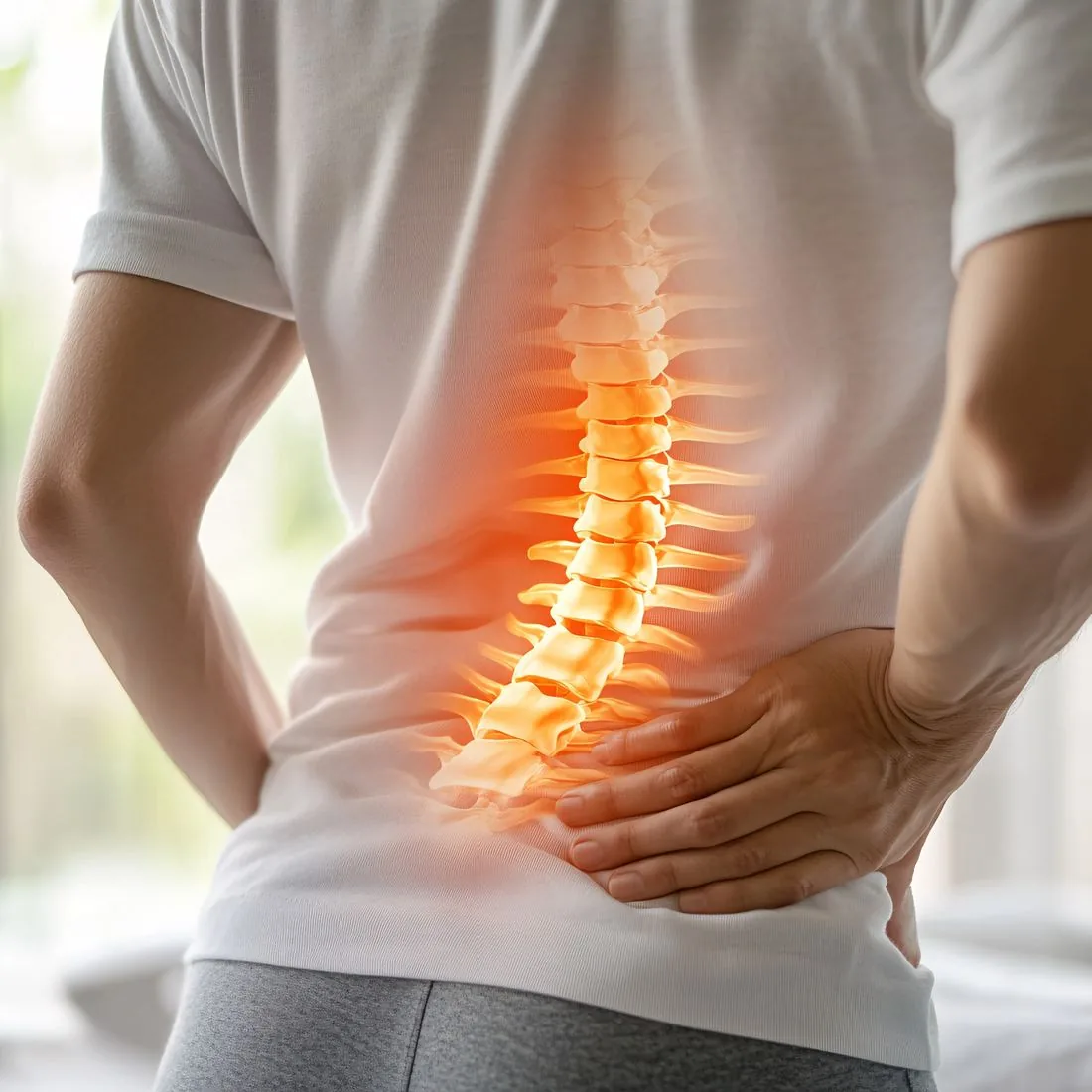
    Lumbar pain physiotherapy and lower spine rehabilitation in Manikonda
    Spine & BackVerified Clinical Protocol

    1-on-1 personalized sessions by Dr. Mohammed Hamid Ali, BPT, MPT (Orthopedics). Complete assessment and progressive milestone recovery.

    Clinical Overview & Definition

    What is Lumbar Pain Physiotherapy?

    Lumbar pain refers specifically to pain, stiffness, or functional limitation localized between the lower costal margin (ribs) and the gluteal folds. The five lumbar vertebrae (L1-L5) bear the majority of the human upper body's weight and absorb substantial ground reaction forces during locomotion. At Dr. Hamid's Physio and Pain Clinic in Manikonda, we perform a thorough mechanical assessment to identify whether your lumbar symptoms originate from intervertebral disc degeneration, facet arthropathy, segmental instability, or postural exhaustion.

    How Targeted Physiotherapy Restores Function

    Physiotherapy restores harmonious biomechanics to the five lumbar motion segments. Dr. Mohammed Hamid Ali (BPT) employs hands-on Maitland and Mulligan joint mobilizations to restore pain-free segmental excursion, releases compensatory muscle guarding, and trains deep segmental stabilization muscles that shield the lumbar vertebrae from daily mechanical strain.

    Common Causes

    Primary mechanical, postural, and physiological factors observed in our Manikonda clinic:

    • Repetitive flexion and rotational loading on the lumbar motion segments
    • Prolonged static desk postures creating cumulative creep in lumbar ligaments
    • Lumbar facet joint syndrome caused by compressive joint loading
    • Deconditioning of the multifidus and transversus abdominis stabilizers
    • Pelvic asymmetry or leg length discrepancy altering lumbar biomechanics
    • Sudden increases in physical activity without adequate core conditioning

    Frequent Symptoms

    Signs and functional limitations indicating need for physical therapy:

    • Deep, localized aching across the lower lumbar vertebrae
    • Morning lumbar stiffness that takes 20 to 30 minutes of moving around to loosen
    • Pain aggravated by arching backward (extension) or bending forward (flexion)
    • Difficulty sitting through long meetings, drives, or cinema screenings
    • Protective paraspinal muscle tightness and painful tender points
    Step-by-Step Clinical Assessment

    Our Diagnostic Evaluation in Manikonda

    Before applying any treatment, Dr. Mohammed Hamid Ali, BPT, MPT (Orthopedics) conducts a comprehensive 45-minute clinical evaluation to pinpoint the exact musculoskeletal root cause.

    1
    Segment-by-segment central and unilateral posterior-anterior (PA) lumbar joint spring tests
    2
    Observation of the lumbar lordotic curve in static stance and functional movement
    3
    Active movement testing with overpressure to determine mechanical provocative patterns
    4
    Muscle length testing of hip flexors, hamstrings, and tensor fasciae latae
    5
    Prone instability testing to evaluate functional lumbar segmental stability
    Multimodal Treatment Protocol

    Evidence-Based Treatment Approach

    We integrate hands-on manual mobilizations, targeted electro-physical modalities, and progressive active exercise therapy:

    Specific lumbar segmental joint mobilizations to relieve hypomobility
    Soft tissue release of tight erector spinae, quadratus lumborum, and psoas muscles
    Targeted motor control training for deep lumbar multifidus muscles using biofeedback principles
    Spinal stabilization exercises on stable and unstable surfaces
    Comprehensive workplace ergonomic modification and movement pacing strategies
    Expected Recovery Timeline

    Most patients with mechanical lumbar pain achieve substantial functional relief within 4 to 8 sessions over 2 to 3 weeks. Full postural stamina and core endurance typically solidify over 4 to 6 weeks.

    Home Care & Ergonomics

    • Perform gentle pelvic clocks and lumbar rocking before getting out of bed in the morning
    • Use an ergonomic mesh lumbar support behind your lower back while driving or working
    • Incorporate daily 20-minute brisk walks on level surfaces to nourish lumbar discs
    • Avoid sleeping on an excessively sagging or unsupportive mattress
    • Keep core muscles gently braced when transferring in and out of chairs

    When to Consult Dr. Hamid

    Consult Dr. Hamid if lower lumbar ache recurs regularly, prevents you from exercising, or makes daily sitting uncomfortable.

    Frequently Asked Questions

    Patient Questions & Answers

    Clear clinical answers by Dr. Mohammed Hamid Ali to help you make informed decisions about your rehabilitation.