Manikonda & Puppalguda Clinic โ€ข Home Physiotherapy Visits

    Sports Injury Rehabilitation in Manikonda, Hyderabad

    Specialized sports physiotherapy, biomechanical correction, and progressive return-to-sport conditioning for athletes and active individuals in Manikonda.

    Dr. Hamid, BPT, MPT (8+ Yrs)
    Evidence-Based Care
    Home Physiotherapy Visits

    ๐Ÿ“ Opp: HDFC Bank ATM, near Friends Colony Park, Puppalguda, Manikonda. Same-day appointments available.

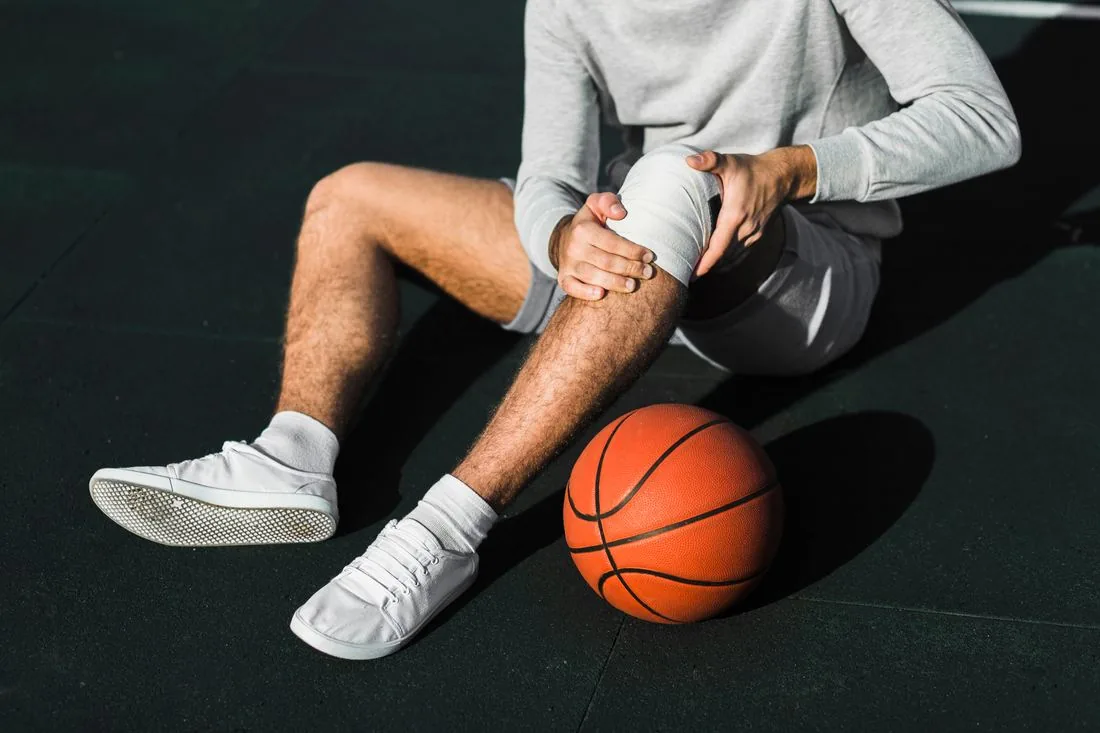
    Sports injury rehabilitation and athlete conditioning in Manikonda clinic
    Sports, Post-Op & GeneralVerified Clinical Protocol

    1-on-1 personalized sessions by Dr. Mohammed Hamid Ali, BPT, MPT (Orthopedics). Complete assessment and progressive milestone recovery.

    Clinical Overview & Definition

    What is Sports Injury Rehabilitation?

    Sports injuries encompass acute traumas (such as ligament tears, muscle sprains, and joint dislocations) and chronic overuse syndromes (including stress fractures, shin splints, and tendonitis) sustained during athletic activity, gym workouts, or recreational sports. In dynamic sports-loving communities across Manikonda, Puppalguda, and Gachibowli, athletes frequently present with running injuries, badminton-related shoulder strains, cricket bowling stresses, and football ankle twists. At Dr. Hamid's Physio and Pain Clinic, sports rehabilitation bridges the gap between acute clinical recovery and peak athletic performance, focusing on tissue healing, kinetic chain re-alignment, and sport-specific reconditioning.

    How Targeted Physiotherapy Restores Function

    Physiotherapy for sports injuries restores injured tissues safely through structured clinical phases: acute inflammatory control, progressive tissue remodeling, functional kinetic chain strengthening, and dynamic plyometric drills. Dr. Mohammed Hamid Ali (BPT) conducts comprehensive functional movement screens to isolate the mechanical flaws that caused the injury, ensuring not only complete tissue healing but also long-term protection against reinjury when returning to competitive play.

    Common Causes

    Primary mechanical, postural, and physiological factors observed in our Manikonda clinic:

    • Sudden explosive pivoting, jumping, or rapid deceleration without adequate muscular pre-activation
    • Overuse and training errors such as sudden spikes in mileage or excessive weight progression at the gym
    • Biomechanical imbalances including asymmetrical hip strength, foot overpronation, or poor core stability
    • Inadequate warm-up, poor flexibility, and tight muscle chains restricting functional joint mobility
    • Inadequate rest intervals and systemic recovery deficits leading to micro-trauma accumulation
    • Playing on hard, irregular surfaces or wearing worn-out, unsupportive athletic footwear

    Frequent Symptoms

    Signs and functional limitations indicating need for physical therapy:

    • Sudden sharp pain during dynamic sporting movements, running, or heavy lifting
    • Rapid swelling, joint effusion, or localized bruising at the site of trauma
    • Instability, giving way sensation, or apprehension during lateral cutting motions
    • Inability to bear full weight or generate explosive power through the injured limb
    • Dull persistent post-workout ache and stiffness that lingers for days after exercise
    Step-by-Step Clinical Assessment

    Our Diagnostic Evaluation in Manikonda

    Before applying any treatment, Dr. Mohammed Hamid Ali, BPT, MPT (Orthopedics) conducts a comprehensive 45-minute clinical evaluation to pinpoint the exact musculoskeletal root cause.

    1
    Detailed review of mechanism of injury, sporting demands, training volume, and equipment used
    2
    Selective tissue provocation testing (ligamentous stress tests, muscle tendon palpatory tests)
    3
    Range of motion goniometry and bilateral joint laxity evaluation
    4
    Kinematic screening of movement patterns (squatting, single-leg hopping, cutting mechanics)
    5
    Neuromuscular control, agility, and sport-specific force production measurement
    Multimodal Treatment Protocol

    Evidence-Based Treatment Approach

    We integrate hands-on manual mobilizations, targeted electro-physical modalities, and progressive active exercise therapy:

    Early phase PRICE/PEACE & LOVE protocols with advanced electrotherapy to resolve swelling
    Manual therapy, soft tissue release, and joint mobilizations to restore optimal joint glide
    Targeted eccentric resistance training to rebuild collagen tensile strength in tendons and muscles
    Proprioceptive neuromuscular facilitation (PNF) and balance board training for joint stability
    Progressive functional return-to-play protocols including running biomechanics and agility ladders
    Expected Recovery Timeline

    Mild sports strains or contusions typically resolve in 2 to 4 weeks. Moderate ligament or muscle tears require 6 to 12 weeks of structured rehabilitation. Post-surgical reconstructions (such as ACL or labral repairs) take 6 to 9 months of systematic phased reconditioning to achieve full competitive clearance.

    Home Care & Ergonomics

    • Follow prescribed progressive loading rather than total passive immobilization
    • Incorporate active dynamic warm-ups and post-workout static stretches into every routine
    • Apply ice packs for 15-20 minutes following intense rehab drills to manage reactive swelling
    • Prioritize 8 hours of restorative sleep and high-protein nutrition for optimal collagen synthesis

    When to Consult Dr. Hamid

    Consult Dr. Hamid immediately if you experienced a distinct 'pop' sound during a sports move, cannot bear weight on the joint, observe rapid joint swelling within hours, or if persistent pain stops you from enjoying your favorite sport or workout.

    Frequently Asked Questions

    Patient Questions & Answers

    Clear clinical answers by Dr. Mohammed Hamid Ali to help you make informed decisions about your rehabilitation.