Manikonda & Puppalguda Clinic โ€ข Home Physiotherapy Visits

    Knee Pain Physiotherapy in Manikonda, Hyderabad

    Comprehensive physiotherapy for knee pain, arthritis, ligament strain, stair-climbing difficulty, and sports-related knee problems. Aims to reduce pain and improve daily function.

    Dr. Hamid, BPT, MPT (8+ Yrs)
    Evidence-Based Care
    Home Physiotherapy Visits

    ๐Ÿ“ Opp: HDFC Bank ATM, near Friends Colony Park, Puppalguda, Manikonda. Same-day appointments available.

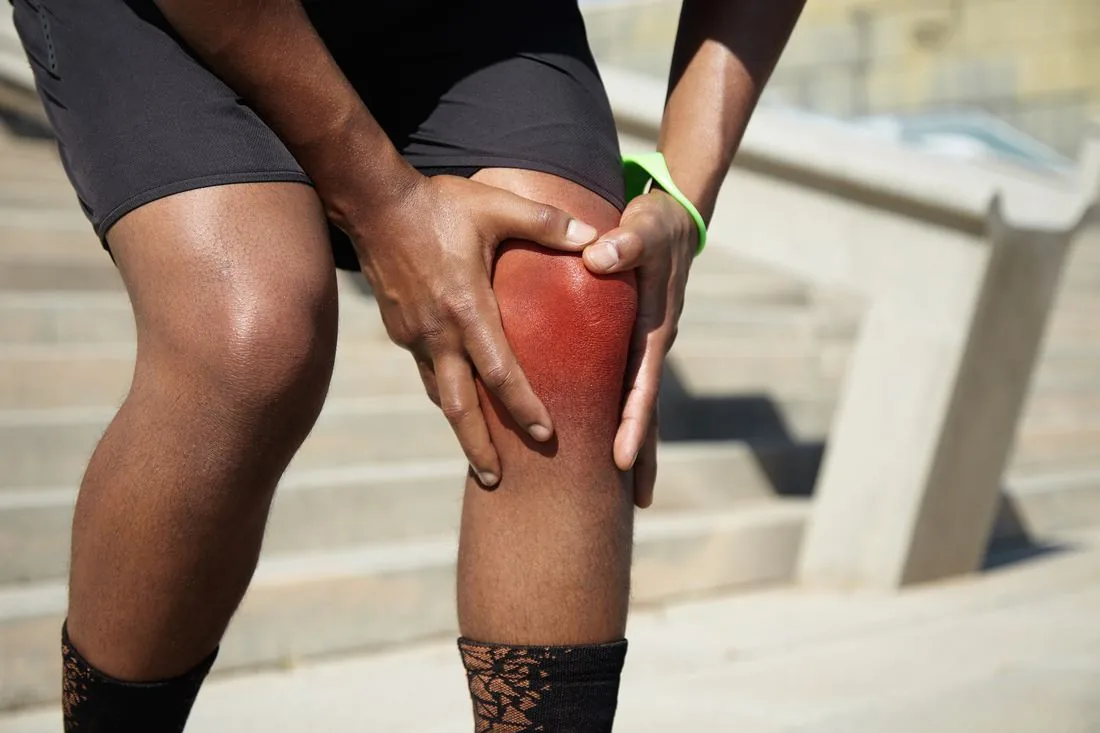
    Knee pain physiotherapy and knee joint rehabilitation in Manikonda clinic
    KneeVerified Clinical Protocol

    1-on-1 personalized sessions by Dr. Mohammed Hamid Ali, BPT, MPT (Orthopedics). Complete assessment and progressive milestone recovery.

    Clinical Overview & Definition

    What is Knee Pain Physiotherapy?

    Knee pain is one of the most disabling musculoskeletal complaints, directly impairing basic daily activities such as walking, descending stairs, squatting, and rising from low seats. The knee is a modified hinge joint that bears up to 3 to 5 times your body weight during stair climbing and squatting. At Dr. Hamid's Physio and Pain Clinic in Manikonda, Hyderabad, we evaluate the entire kinetic chain โ€” from the hip abductors down to the foot and ankle โ€” to pinpoint why your knee is absorbing abnormal mechanical stress.

    How Targeted Physiotherapy Restores Function

    Physiotherapy for knee pain corrects the biomechanical faults that cause joint friction. Dr. Mohammed Hamid Ali (BPT) uses targeted patellar mobilizations, kinesiology taping to offload the patella, progressive open and closed kinetic chain quadriceps strengthening, and hip stability retraining. This restores smooth patellar tracking and allows pain-free stair climbing and walking.

    Common Causes

    Primary mechanical, postural, and physiological factors observed in our Manikonda clinic:

    • Patellofemoral pain syndrome (runner's knee) caused by abnormal tracking of the kneecap in the femoral groove
    • Quadriceps and vastus medialis obliquus (VMO) muscle weakness allowing patellar lateral tilt
    • Hip abductor (gluteus medius) weakness causing excessive knee valgus during walking or running
    • Patellar tendinitis (jumper's knee) from repetitive jumping, squatting, or athletic loading
    • Pes anserine bursitis causing localized tenderness on the inner upper shin
    • Sudden increases in running mileage, step counts, or gym squatting without adequate progressive conditioning

    Frequent Symptoms

    Signs and functional limitations indicating need for physical therapy:

    • Aching or burning pain behind or around the kneecap when climbing or descending stairs
    • Stiffness and discomfort when sitting for long periods with bent knees ('theater sign')
    • Grinding, clicking, or crunching sensations (crepitus) during knee bending and straightening
    • Localized tenderness and mild puffiness along the front or sides of the knee joint
    • Hesitation or pain when standing up from deep sofas, chairs, or car seats
    Step-by-Step Clinical Assessment

    Our Diagnostic Evaluation in Manikonda

    Before applying any treatment, Dr. Mohammed Hamid Ali, BPT, MPT (Orthopedics) conducts a comprehensive 45-minute clinical evaluation to pinpoint the exact musculoskeletal root cause.

    1
    Patellar tracking and glide assessment in supine and functional weight-bearing positions
    2
    Quadriceps Q-angle measurement and vastus medialis obliquus (VMO) timing evaluation
    3
    Single-leg squat and step-down test to assess dynamic knee valgus and hip abductor control
    4
    Palpation of the joint line, patellar tendon, pes anserine bursa, and fat pad
    5
    Gait and foot posture evaluation to detect overpronation contributing to internal tibial rotation
    Multimodal Treatment Protocol

    Evidence-Based Treatment Approach

    We integrate hands-on manual mobilizations, targeted electro-physical modalities, and progressive active exercise therapy:

    Patellar mobilization techniques to release tight lateral retinacular tissues
    Kinesiology patellar taping (McConnell taping) to instantly offload irritated joint surfaces
    Isolated and functional strengthening of the vastus medialis and quadriceps muscle group
    Gluteus medius and hip external rotator strengthening to stabilize knee alignment
    Biomechanical stair-climbing retraining and safe squatting mechanics education
    Expected Recovery Timeline

    Most patients with non-arthritic knee pain or patellofemoral syndrome experience 50-70% symptom relief within 4 to 6 sessions (2 weeks). Full functional strength and pain-free stair climbing are achieved in 4 to 6 weeks.

    Home Care & Ergonomics

    • Avoid deep squats past 90 degrees during the acute pain phase
    • Perform straight leg raises and isometric quad sets daily to maintain muscle tone
    • Wear supportive athletic footwear with firm arch support instead of flat slippers
    • Use handrails when navigating stairs, leading with the stronger leg when climbing
    • Apply cold packs for 15 minutes after extended walking if local warmth or puffiness occurs

    When to Consult Dr. Hamid

    Consult Dr. Hamid if knee pain persists beyond 5 days, makes climbing stairs difficult, prevents normal walking, or creates grinding discomfort.

    Frequently Asked Questions

    Patient Questions & Answers

    Clear clinical answers by Dr. Mohammed Hamid Ali to help you make informed decisions about your rehabilitation.