
Manikonda & Puppalguda Clinic โ€ข Home Physiotherapy Visits

    Arthritis Physiotherapy in Manikonda, Hyderabad

    Specialized conservative joint preservation and exercise therapy for knee osteoarthritis, joint stiffness, and age-related cartilage wear.

    Dr. Hamid, BPT, MPT (8+ Yrs)
    Evidence-Based Care
    Home Physiotherapy Visits

    ๐Ÿ“ Opp: HDFC Bank ATM, near Friends Colony Park, Puppalguda, Manikonda. Same-day appointments available.

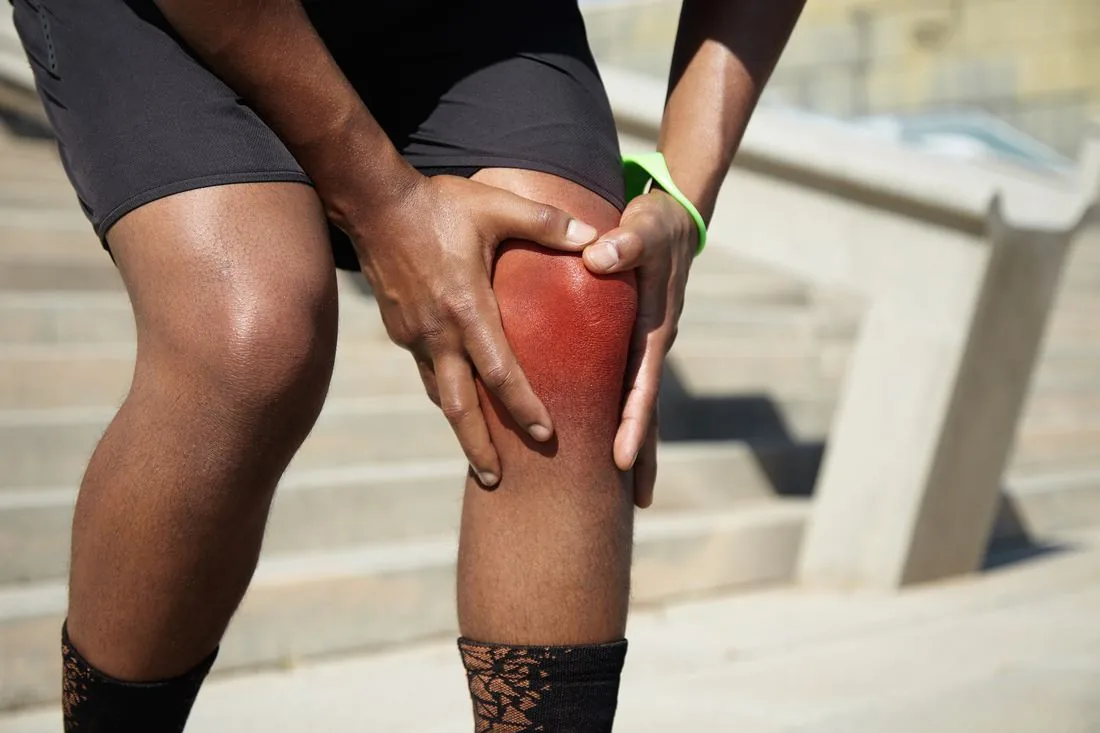
    Knee arthritis physiotherapy and osteoarthritis treatment in Manikonda clinic
    KneeVerified Clinical Protocol

    1-on-1 personalized sessions by Dr. Mohammed Hamid Ali, BPT, MPT (Orthopedics). Complete assessment and progressive milestone recovery.

    Clinical Overview & Definition

    What is Arthritis Physiotherapy (Knee & Joints)?

    Osteoarthritis of the knee and peripheral joints is a progressive degenerative joint condition characterized by gradual thinning of articular cartilage, narrowing of the joint space, subchondral bone remodeling, and osteophyte formation. As cartilage wears down, joint movement loses its natural low-friction cushion, leading to pain, morning stiffness, reduced walking distance, and muscle wasting. At Dr. Hamid's Physio and Pain Clinic in Manikonda, Hyderabad, we specialize in conservative knee preservation. Clinical research proves that targeted exercise therapy is the gold-standard first-line treatment for osteoarthritis, proven to delay or eliminate the need for surgical joint replacement.

    How Targeted Physiotherapy Restores Function

    Physiotherapy works by building a muscular 'shock-absorber' around the arthritic joint. Strong quadriceps, hamstrings, and calves absorb ground impact forces before they reach the damaged cartilage. Dr. Mohammed Hamid Ali (BPT) prescribes low-impact strengthening, gentle joint distraction mobilizations to enhance synovial fluid circulation, and gait retraining that redistributes load across healthier joint compartments.

    Common Causes

    Primary mechanical, postural, and physiological factors observed in our Manikonda clinic:

    • Age-related degeneration of articular cartilage and reduced synovial fluid lubrication
    • Excess body weight placing multi-fold mechanical compressive load on knee joint compartments
    • History of previous joint injury (meniscus tear, ligament sprain, or fracture)
    • Genetic predisposition and familial history of osteoarthritis
    • Quadriceps muscle weakness reducing the knee's natural shock-absorption capacity
    • Varus or valgus knee malalignment causing uneven compartmental wear

    Frequent Symptoms

    Signs and functional limitations indicating need for physical therapy:

    • Deep joint aching that worsens after walking, standing, or climbing stairs
    • Morning joint stiffness lasting 15 to 30 minutes that loosens after moving around
    • Audible or palpable crepitus (grating, crunching sound) during knee movement
    • Gradual loss of joint range of motion (difficulty fully straightening or fully bending the knee)
    • Bony enlargement around the joint line and progressive bow-legged (varus) deformity
    Step-by-Step Clinical Assessment

    Our Diagnostic Evaluation in Manikonda

    Before applying any treatment, Dr. Mohammed Hamid Ali, BPT, MPT (Orthopedics) conducts a comprehensive 45-minute clinical evaluation to pinpoint the exact musculoskeletal root cause.

    1
    Kellgren-Lawrence radiographic grading correlation with functional clinical presentation
    2
    Joint line palpation and assessment of medial vs lateral compartment wear
    3
    Knee active and passive range of motion measurement (extension deficit and flexion limitation)
    4
    Quadriceps, hamstring, and hip muscle strength grading
    5
    Functional walking tolerance, Timed Up and Go (TUG), and 30-second sit-to-stand testing
    Multimodal Treatment Protocol

    Evidence-Based Treatment Approach

    We integrate hands-on manual mobilizations, targeted electro-physical modalities, and progressive active exercise therapy:

    Gentle Grade I-II joint distraction and oscillatory mobilizations to stimulate synovial fluid
    Progressive resistance training for quadriceps, hamstrings, and gluteal muscles
    Low-impact aerobic conditioning on stationary recumbent bikes to promote cartilage nutrition
    Supportive modalities (ultrasound, IFT, heat therapy) during inflammatory flare-ups
    Joint protection education, assistive cane gait training, and weight-management movement advice
    Expected Recovery Timeline

    Most osteoarthritis patients achieve marked reductions in daily joint pain, decreased morning stiffness, and 40-60% improvements in walking endurance within 4 to 6 weeks of consistent physiotherapy.

    Home Care & Ergonomics

    • Incorporate daily 15-minute cycling or walking on level surfaces within your pain-free zone
    • Perform high-repetition, low-load quad sets and straight leg raises daily
    • Avoid squatting on the floor or using low Indian-style toilets if pain is severe
    • Apply moist warmth for 15 minutes before daily exercises to ease joint stiffness
    • Wear well-cushioned, shock-absorbing walking shoes with orthotic arch support

    When to Consult Dr. Hamid

    Schedule an assessment if joint pain reduces your daily walking distance, makes getting up from chairs difficult, or causes persistent morning stiffness.

    Frequently Asked Questions

    Patient Questions & Answers

    Clear clinical answers by Dr. Mohammed Hamid Ali to help you make informed decisions about your rehabilitation.