Manikonda & Puppalguda Clinic โ€ข Home Physiotherapy Visits

    ACL Injury Physiotherapy in Manikonda, Hyderabad

    Phase-based rehabilitation for anterior cruciate ligament (ACL) tears, pre-habilitation, and post-surgical ACL reconstruction return-to-sport recovery.

    Dr. Hamid, BPT, MPT (8+ Yrs)
    Evidence-Based Care
    Home Physiotherapy Visits

    ๐Ÿ“ Opp: HDFC Bank ATM, near Friends Colony Park, Puppalguda, Manikonda. Same-day appointments available.

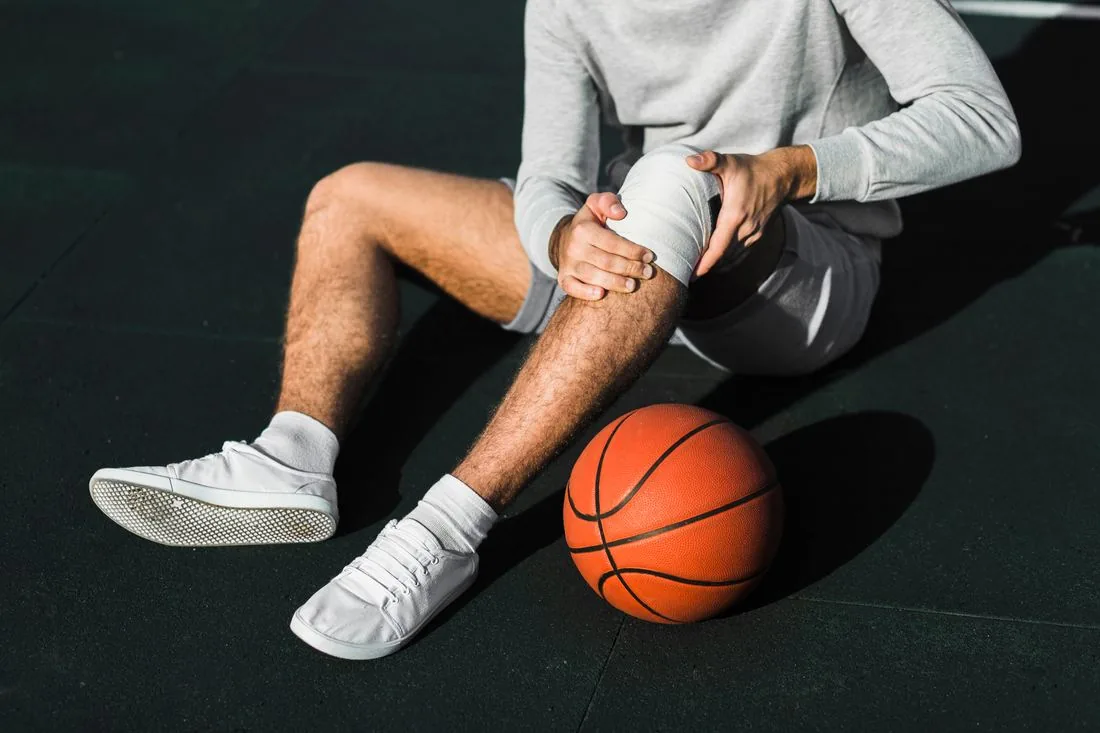
    ACL injury physiotherapy and post-op ligament rehabilitation in Manikonda
    KneeVerified Clinical Protocol

    1-on-1 personalized sessions by Dr. Mohammed Hamid Ali, BPT, MPT (Orthopedics). Complete assessment and progressive milestone recovery.

    Clinical Overview & Definition

    What is ACL Injury Physiotherapy & Rehabilitation?

    The Anterior Cruciate Ligament (ACL) is a crucial stabilizer of the knee joint, preventing anterior translation of the tibia on the femur and controlling rotational stability. ACL injuries commonly occur in athletes and active individuals during non-contact deceleration, sudden pivoting, or awkward jump landings in cricket, football, badminton, and basketball. At Dr. Hamid's Physio and Pain Clinic in Manikonda, Hyderabad, we provide comprehensive evidence-based ACL rehabilitation โ€” whether you are preparing for surgery (pre-hab), recovering conservatively without surgery (copers), or undergoing post-operative graft reconstruction rehabilitation.

    How Targeted Physiotherapy Restores Function

    ACL rehabilitation follows structured biological healing phases. For post-surgical reconstruction patients, Dr. Mohammed Hamid Ali (BPT) guides you safely through graft protection, early full extension restoration, quadriceps reactivation, progressive strength loading, and advanced neuromuscular agility drills until objective return-to-play criteria are met.

    Common Causes

    Primary mechanical, postural, and physiological factors observed in our Manikonda clinic:

    • Sudden rapid deceleration and pivot while the foot is planted firmly on the ground
    • Awkward landing from a jump with the knee in a dynamic valgus (knock-knee) position
    • Direct contact collisions forcing hyperextension or inward twisting of the knee
    • Weakness in the hamstring and gluteal muscle groups relative to the quadriceps
    • Fatigue toward the end of intense sporting matches compromising neuromuscular control

    Frequent Symptoms

    Signs and functional limitations indicating need for physical therapy:

    • Audible 'pop' felt or heard inside the knee at the moment of injury
    • Rapid, dramatic swelling (hemarthrosis) developing within 2 to 6 hours after trauma
    • Inability to continue playing or bear full weight immediately following the event
    • Persistent feeling that the knee is 'unstable', 'loose', or about to buckle and give way
    • Severe restriction of knee bending and inability to fully straighten the joint
    Step-by-Step Clinical Assessment

    Our Diagnostic Evaluation in Manikonda

    Before applying any treatment, Dr. Mohammed Hamid Ali, BPT, MPT (Orthopedics) conducts a comprehensive 45-minute clinical evaluation to pinpoint the exact musculoskeletal root cause.

    1
    Lachman test and Anterior Drawer test to evaluate ligamentous laxity
    2
    Pivot Shift test to assess rotational knee instability
    3
    Measurement of knee joint effusion (stroke test) and range of motion deficits
    4
    Limb Symmetry Index (LSI) testing measuring quadriceps and hamstring strength
    5
    Functional hop tests (single hop, triple hop, crossover hop) in late-stage rehab
    Multimodal Treatment Protocol

    Evidence-Based Treatment Approach

    We integrate hands-on manual mobilizations, targeted electro-physical modalities, and progressive active exercise therapy:

    Phase 1: Early full extension restoration, swelling reduction, and quadriceps activation (NMES)
    Phase 2: Full range of motion restoration, normal gait retraining, and closed kinetic chain loading
    Phase 3: Progressive hypertrophy and strength training (squats, deadlifts, leg press, hamstring curls)
    Phase 4: Proprioception, perturbation balance drills, and deceleration landing mechanics
    Phase 5: Sport-specific agility drills, cutting mechanics, and objective discharge testing
    Expected Recovery Timeline

    Conservative ACL recovery typically takes 12 to 16 weeks. Post-surgical ACL reconstruction follows a gold-standard 6 to 9-month phased protocol to ensure graft maturation before high-intensity contact sport clearance.

    Home Care & Ergonomics

    • In early stages, prioritize achieving zero degrees of terminal knee extension
    • Perform straight leg raises with zero extension lag before advancing to weighted exercises
    • Elevate and ice the knee regularly following rehabilitation exercise sessions
    • Wear your prescribed hinged knee brace as directed by your orthopedic surgeon
    • Never rush return to pivoting sports before passing functional strength symmetry tests

    When to Consult Dr. Hamid

    Consult Dr. Hamid immediately following any knee injury involving a pop, rapid swelling, or giving-way sensation. Pre-surgical pre-habilitation is strongly recommended before planned reconstruction.

    Frequently Asked Questions

    Patient Questions & Answers

    Clear clinical answers by Dr. Mohammed Hamid Ali to help you make informed decisions about your rehabilitation.