Manikonda & Puppalguda Clinic โ€ข Home Physiotherapy Visits

    PCL Injury Physiotherapy in Manikonda, Hyderabad

    Specialized clinical rehabilitation for posterior cruciate ligament (PCL) sprains, dashboard injuries, and posterior knee instability.

    Dr. Hamid, BPT, MPT (8+ Yrs)
    Evidence-Based Care
    Home Physiotherapy Visits

    ๐Ÿ“ Opp: HDFC Bank ATM, near Friends Colony Park, Puppalguda, Manikonda. Same-day appointments available.

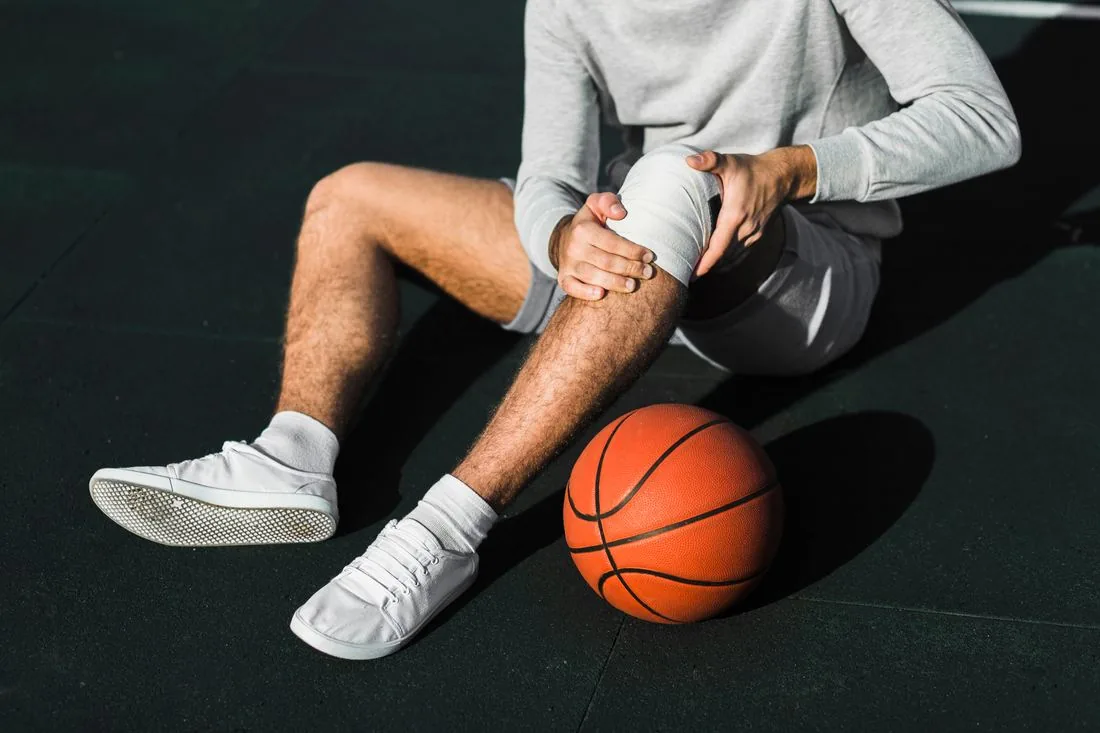
    PCL injury physiotherapy and posterior knee stability in Manikonda
    KneeVerified Clinical Protocol

    1-on-1 personalized sessions by Dr. Mohammed Hamid Ali, BPT, MPT (Orthopedics). Complete assessment and progressive milestone recovery.

    Clinical Overview & Definition

    What is PCL Injury Physiotherapy?

    The Posterior Cruciate Ligament (PCL) is the strongest ligament in the knee joint, preventing backward translation of the tibia on the femur. PCL injuries occur less frequently than ACL tears and are commonly caused by high-energy trauma โ€” such as a bent knee striking a car dashboard in a traffic collision, or falling heavily directly onto a flexed knee with the foot pointed downward. Fortunately, isolated Grade I and II PCL tears have tremendous intrinsic healing capacity. At Dr. Hamid's Physio and Pain Clinic in Manikonda, Hyderabad, we provide specialized conservative rehabilitation focused on aggressive quadriceps dynamic stabilization.

    How Targeted Physiotherapy Restores Function

    Unlike the ACL, where hamstrings act as agonists, in PCL rehabilitation the quadriceps is the primary muscular stabilizer that pulls the tibia forward, counteracting posterior sag. Dr. Mohammed Hamid Ali (BPT) prescribes intensive quadriceps strengthening, strict posterior tibial support, and gradual range of motion restoration while temporarily limiting open-chain hamstring contractions that would pull the healing ligament backward.

    Common Causes

    Primary mechanical, postural, and physiological factors observed in our Manikonda clinic:

    • Direct blow to the anterior upper shin while the knee is bent (e.g. car dashboard collision)
    • Falling hard onto a fully bent knee during football, kabaddi, or outdoor sports
    • Violent hyperextension injury to the knee during an athletic tackle or misstep
    • Sudden extreme rotational force combined with posterior tibial translation

    Frequent Symptoms

    Signs and functional limitations indicating need for physical therapy:

    • Vague, deep posterior knee aching and fullness behind the knee joint
    • Posterior 'sag' of the tibia when resting with knees bent at 90 degrees
    • Mild to moderate swelling and tenderness in the popliteal fossa
    • Instability or difficulty walking down declines, ramps, or stairs
    • Pain during deep knee flexion (squatting, kneeling, sitting cross-legged)
    Step-by-Step Clinical Assessment

    Our Diagnostic Evaluation in Manikonda

    Before applying any treatment, Dr. Mohammed Hamid Ali, BPT, MPT (Orthopedics) conducts a comprehensive 45-minute clinical evaluation to pinpoint the exact musculoskeletal root cause.

    1
    Posterior Drawer test at 90 degrees of knee flexion to grade posterior laxity
    2
    Godfrey's test (posterior sag sign) evaluated with hips and knees at 90 degrees
    3
    Quadriceps active test to evaluate dynamic anterior reduction of the displaced tibia
    4
    Dial test at 30 and 90 degrees to rule out associated posterolateral corner (PLC) injury
    5
    Evaluation of extension and flexion limits in accordance with ligament healing phase
    Multimodal Treatment Protocol

    Evidence-Based Treatment Approach

    We integrate hands-on manual mobilizations, targeted electro-physical modalities, and progressive active exercise therapy:

    Application and management of posterior dynamic PCL braces in early recovery
    Strict avoidance of active isolated hamstring contractions during the initial 6 weeks
    Aggressive quadriceps strengthening (straight leg raises, terminal knee extensions, leg press)
    Progressive knee flexion mobilization under controlled anterior tibial support
    Advanced balance, proprioception, and functional athletic retraining
    Expected Recovery Timeline

    Grade I and II isolated PCL injuries typically heal with conservative physiotherapy within 8 to 12 weeks. Post-surgical reconstructions require 6 to 9 months of structured rehabilitation.

    Home Care & Ergonomics

    • Wear your dynamic PCL brace with posterior tibial pad support as instructed
    • Do not perform active hamstring curls or pull your heel back during early recovery
    • Perform quadriceps setting exercises and straight leg raises multiple times daily
    • Avoid deep kneeling or sitting on your heels until cleared by Dr. Hamid
    • Apply ice packs to the back of the knee following exercise sessions

    When to Consult Dr. Hamid

    Schedule an assessment promptly if you have experienced a direct blow to your shin, notice a backward sag in your knee, or have difficulty walking down slopes.

    Frequently Asked Questions

    Patient Questions & Answers

    Clear clinical answers by Dr. Mohammed Hamid Ali to help you make informed decisions about your rehabilitation.