Manikonda & Puppalguda Clinic โ€ข Home Physiotherapy Visits

    Disc Bulge Physiotherapy in Manikonda, Hyderabad

    Specialised physiotherapy for disc bulge and prolapsed intervertebral disc problems. Focuses on reducing nerve pressure, improving spinal stability, and restoring safe movement.

    Dr. Hamid, BPT, MPT (8+ Yrs)
    Evidence-Based Care
    Home Physiotherapy Visits

    ๐Ÿ“ Opp: HDFC Bank ATM, near Friends Colony Park, Puppalguda, Manikonda. Same-day appointments available.

    Disc bulge physiotherapy and herniated disc treatment in Manikonda clinic
    Spine & BackVerified Clinical Protocol

    1-on-1 personalized sessions by Dr. Mohammed Hamid Ali, BPT, MPT (Orthopedics). Complete assessment and progressive milestone recovery.

    Clinical Overview & Definition

    What is Disc Bulge Physiotherapy?

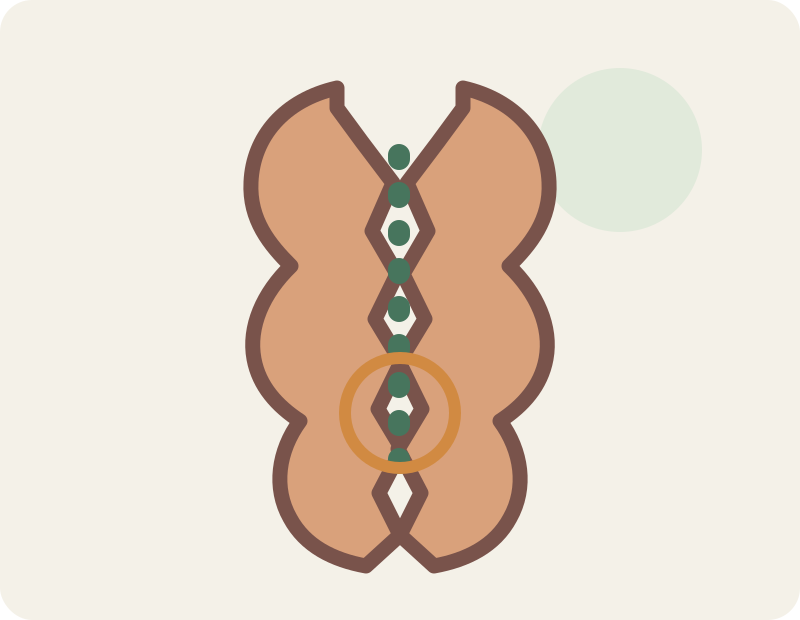
    An intervertebral disc bulge occurs when the tough outer ring of the spinal disc (annulus fibrosus) weakens or tears, allowing the soft gelatinous core (nucleus pulposus) to bulge outward into the spinal canal or intervertebral foramen. Most commonly occurring at the L4-L5 and L5-S1 lumbar levels, disc bulges can press against spinal nerves, causing severe localized back pain or radiating pain into the gluteal region and legs. At Dr. Hamid's Physio and Pain Clinic in Manikonda, we provide specialized non-surgical disc decompression protocols designed to retract disc material and stimulate annular healing.

    How Targeted Physiotherapy Restores Function

    Clinical physiotherapy utilizes hydrostatic spinal mechanics to guide disc material back toward its central position. Using the McKenzie Method of Mechanical Diagnosis and Therapy (MDT), Dr. Mohammed Hamid Ali (BPT) systematically assesses your directional preference. Repetitive extension and postural adjustments create negative intradiscal pressure, which encourages the bulge to retract while removing pressure from inflamed nerve roots.

    Common Causes

    Primary mechanical, postural, and physiological factors observed in our Manikonda clinic:

    • Repeated forward bending and twisting under compressive load (e.g. lifting heavy luggage incorrectly)
    • Years of poor slumped sitting posture causing gradual anterior disc compression and posterior displacement
    • Age-related disc desiccation and loss of proteoglycan water content
    • Sudden traumatic axial compression from a fall or vehicular jolt
    • Chronic weakness of deep abdominal and spinal stabilizing muscle systems

    Frequent Symptoms

    Signs and functional limitations indicating need for physical therapy:

    • Sharp or deep central lower back pain aggravated by sitting, bending, or coughing
    • Noticeable difficulty straightening the back after sitting in a car or desk chair
    • Radiation of tingling, burning, or aching into the buttocks or down one leg
    • Pain relief when standing or lying flat on a firm surface
    • Feeling that the lower back is 'locking up' or unstable
    Step-by-Step Clinical Assessment

    Our Diagnostic Evaluation in Manikonda

    Before applying any treatment, Dr. Mohammed Hamid Ali, BPT, MPT (Orthopedics) conducts a comprehensive 45-minute clinical evaluation to pinpoint the exact musculoskeletal root cause.

    1
    Mechanical directional preference testing to find movements that centralize symptoms
    2
    Detailed review of existing MRI or CT imaging to correlate findings with clinical presentation
    3
    Neurological examination evaluating deep tendon reflexes (patellar, Achilles) and myotomal strength
    4
    Evaluation of lumbar lateral shift (scoliotic deformity caused by protective disc avoidance)
    5
    Palpation and provocative movement testing to establish baseline mechanical tolerance
    Multimodal Treatment Protocol

    Evidence-Based Treatment Approach

    We integrate hands-on manual mobilizations, targeted electro-physical modalities, and progressive active exercise therapy:

    Specific repeated directional extension movements to reduce posterior disc migration
    Manual correction of lateral lumbar shift to realign the spinal column over the pelvis
    Gentle manual spinal traction and decompressing modalities to alleviate intradiscal pressure
    Postural re-education with strict avoidance of forward flexion during the early healing phase
    Progressive deep core bracing (drawing-in maneuver, bird-dog, side planks) to stabilize the segment
    Expected Recovery Timeline

    With strict adherence to directional exercises and postural pacing, symptomatic disc bulges typically show marked centralization within 2 to 4 weeks. Full annular collagen healing and return to active physical pursuits takes between 6 to 10 weeks.

    Home Care & Ergonomics

    • Maintain a gentle lumbar lordosis whenever sitting by using a firm lumbar roll
    • Avoid slumping forward over low tables, beds, or car seats
    • Perform prescribed prone press-ups every 2 hours during the daytime
    • Walk for 15-20 minutes twice daily on flat surfaces to encourage disc rehydration
    • Never lift heavy weights with straight knees and a rounded lower back

    When to Consult Dr. Hamid

    Schedule an assessment immediately if you have been diagnosed with a disc bulge on an MRI, or experience severe back pain when bending forward. Seek urgent hospital care if you notice numbness in the saddle/groin area or loss of bladder/bowel control.

    Frequently Asked Questions

    Patient Questions & Answers

    Clear clinical answers by Dr. Mohammed Hamid Ali to help you make informed decisions about your rehabilitation.