Manikonda & Puppalguda Clinic โ€ข Home Physiotherapy Visits

    Lumbar Spondylosis Physiotherapy in Manikonda, Hyderabad

    Specialized geriatric and adult rehabilitation for lumbar spine arthritis, disc space narrowing, and osteophytic stiffness.

    Dr. Hamid, BPT, MPT (8+ Yrs)
    Evidence-Based Care
    Home Physiotherapy Visits

    ๐Ÿ“ Opp: HDFC Bank ATM, near Friends Colony Park, Puppalguda, Manikonda. Same-day appointments available.

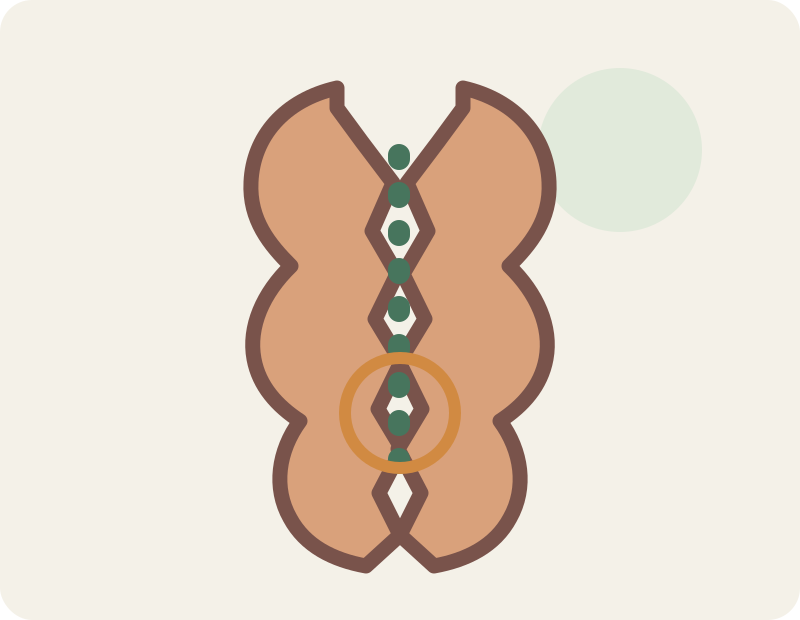
    Lumbar spondylosis physiotherapy and spine arthritis care in Manikonda clinic
    Spine & BackVerified Clinical Protocol

    1-on-1 personalized sessions by Dr. Mohammed Hamid Ali, BPT, MPT (Orthopedics). Complete assessment and progressive milestone recovery.

    Clinical Overview & Definition

    What is Lumbar Spondylosis Physiotherapy?

    Lumbar spondylosis is an age-related degenerative condition affecting the discs, vertebral bodies, and facet joints of the lower spine. Over decades, gradual dehydration of intervertebral discs leads to reduced disc height, bone spur formation (osteophytes), and facet joint arthrosis. While natural with age, it can cause persistent morning stiffness, aching after walking, and reduced functional mobility. At Dr. Hamid's Physio and Pain Clinic in Manikonda, our focus is on keeping your spinal joints mobile, unweighting the facet joints, and strengthening muscular support to ensure an active, pain-free life.

    How Targeted Physiotherapy Restores Function

    While degenerative joint changes cannot be reversed, physiotherapy is remarkably effective at restoring pain-free function. Dr. Mohammed Hamid Ali (BPT) uses gentle rotational mobilizations to improve synovial fluid circulation within arthritic facet joints, applies soft-tissue therapy to relax chronic paraspinal tension, and prescribes low-impact strengthening exercises that build a muscular 'corset' around the spine.

    Common Causes

    Primary mechanical, postural, and physiological factors observed in our Manikonda clinic:

    • Natural age-related degenerative changes in lumbar discs and articular cartilage
    • History of heavy physical labor or high-impact athletic pursuits
    • Long-term postural imbalances placing uneven wear on lumbar facet joints
    • Loss of spinal muscular strength and diminished core endurance
    • Genetic predisposition to early spinal osteophyte formation

    Frequent Symptoms

    Signs and functional limitations indicating need for physical therapy:

    • Dull, persistent ache in the lower back that worsens after standing or walking for long periods
    • Marked stiffness in the spine upon waking in the morning or after sitting in one spot
    • Crepitus or grinding sensation in the lower back during twisting or extension movements
    • Pain that improves when leaning forward slightly on a shopping cart or walker
    • Occasional referred ache into the buttocks or outer hips
    Step-by-Step Clinical Assessment

    Our Diagnostic Evaluation in Manikonda

    Before applying any treatment, Dr. Mohammed Hamid Ali, BPT, MPT (Orthopedics) conducts a comprehensive 45-minute clinical evaluation to pinpoint the exact musculoskeletal root cause.

    1
    Assessment of lumbar extension and facet joint compression tolerance (Kemp's test)
    2
    Evaluation of spinal mobility in flexion, extension, and lateral rotation
    3
    Measurement of hamstring, quadriceps, and hip flexor flexibility
    4
    Balance, gait stability, and walking tolerance testing
    5
    Review of X-ray or MRI reports to correlate radiographic wear with clinical symptoms
    Multimodal Treatment Protocol

    Evidence-Based Treatment Approach

    We integrate hands-on manual mobilizations, targeted electro-physical modalities, and progressive active exercise therapy:

    Gentle Grade I-III Maitland joint mobilizations to lubricate stiff facet joints
    Flexion-biased lumbar exercises (Williams flexion protocol) to open the spinal canal
    Deep tissue myofascial release of tight lumbar extensors and gluteal muscles
    Supportive heat therapy and gentle electrotherapy to soothe chronic aching
    Low-impact aerobic conditioning program (stationary cycle, walking pacing)
    Expected Recovery Timeline

    Most patients experience a significant reduction in daily stiffness and improved walking tolerance within 3 to 5 weeks of consistent physiotherapy and home exercise practice.

    Home Care & Ergonomics

    • Begin each morning with 5 minutes of gentle knee-to-chest and pelvic tilt stretches
    • Avoid standing stationary in one position for long periods; shift your weight frequently
    • Wear supportive, well-cushioned footwear during all daily walking activities
    • Apply warm heating pads to your lower back for 15 minutes before daily movement
    • Engage in daily low-impact walks to keep spinal joints nourished

    When to Consult Dr. Hamid

    Consult Dr. Hamid if lower back stiffness restricts your daily walking, causes difficulty standing from low chairs, or interferes with your sleep.

    Frequently Asked Questions

    Patient Questions & Answers

    Clear clinical answers by Dr. Mohammed Hamid Ali to help you make informed decisions about your rehabilitation.