You bend down to pick something up, sit at your desk for several hours, get out of bed in the morning—or simply turn to one side—and suddenly your lower back starts hurting.
Sometimes the pain feels like a dull ache. At other times, it may be sharp, stiff or uncomfortable enough to make standing, walking or sitting difficult.
If you are experiencing lower back pain, one of the first questions you probably have is: “What is causing it, and what should I do about it?”
The answer is not always straightforward. Lower back pain can develop from muscle strain, changes in spinal discs, irritation of nearby nerves, or other conditions affecting the spine and surrounding structures. In many cases, no single specific structure can be confidently identified as the cause from symptoms alone.
Many episodes improve with time, appropriate activity and suitable care. Certain symptoms, however, require prompt medical assessment.
This guide explains 10 possible causes of lower back pain, warning signs to watch for, and how to approach recovery safely.
Medical note: This article is for general education, not a personal diagnosis. The illustrations are educational and should not be used to diagnose a condition.
What is lower back pain?
Lower back pain—also called low back pain or lumbar pain—refers to discomfort between the lower edge of the ribs and the buttock region. The lumbar spine, muscles, ligaments, discs, joints and nerves all contribute to movement and function in this area.
Low back pain is often described by duration:
- Acute: less than six weeks.
- Subacute: approximately six to twelve weeks.
- Chronic: longer than twelve weeks.
These timeframes describe duration; they do not identify the cause or automatically determine treatment.
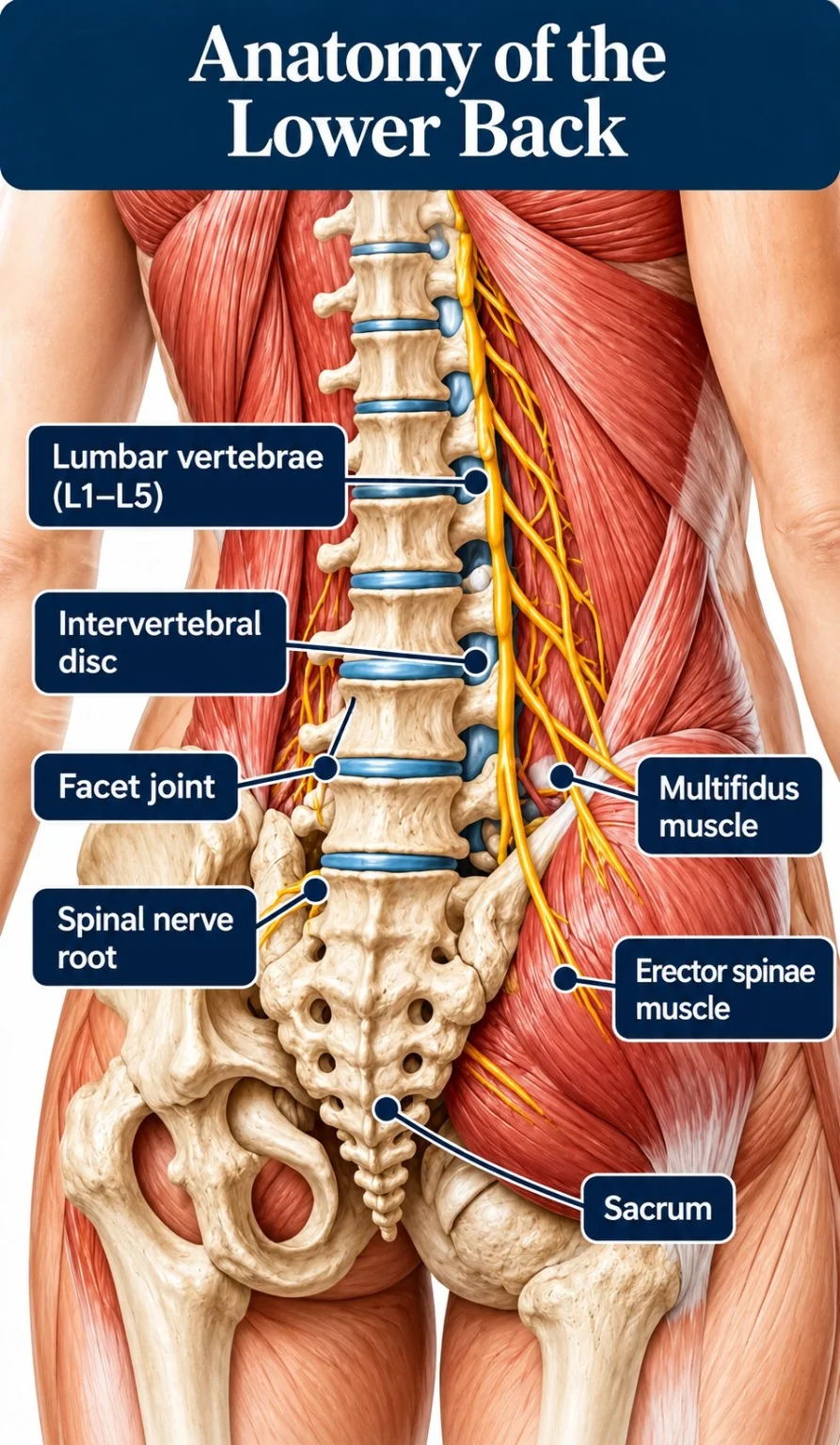
Figure 1. Key structures in the lower back. Pain cannot reliably be attributed to a specific structure from its location alone.
10 common causes of lower back pain
1. Muscle strain or ligament sprain
Muscle strain is one possible cause of sudden lower back pain. It may occur after lifting, repeated bending, twisting while carrying a load, unfamiliar exercise or a sudden increase in activity. Sometimes, symptoms start during an ordinary movement without an obvious injury.
You may notice pain with bending, straightening or changing position, muscle tenderness, or stiffness after resting. The course varies; many uncomplicated episodes gradually improve.
What may help? Temporarily modify activities that sharply aggravate symptoms, keep gently moving within your tolerance and return to usual activity gradually. Severe, worsening or persistent pain deserves assessment.
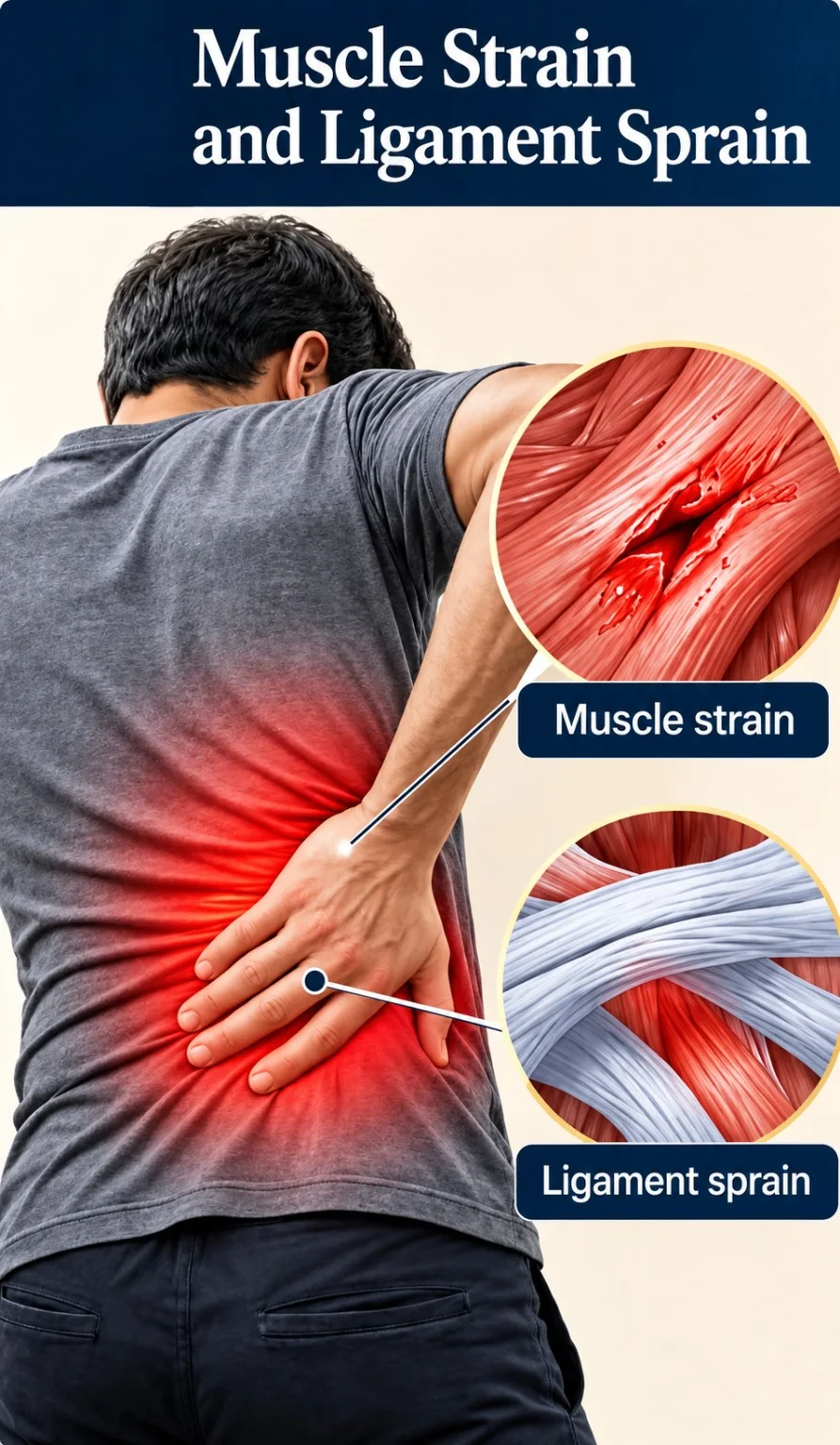
Figure 2. Muscle or ligament irritation is one possible contributor to lower back pain; the image is illustrative, not diagnostic.
2. Prolonged sitting and reduced movement
Long periods in one position can contribute to discomfort for some people, particularly when movement is limited or physical demands change suddenly. There is no single perfect sitting posture that prevents all back pain.
Symptoms may appear after a long meeting, driving, or working at a desk.
What may help?
- Change position regularly and take brief movement breaks.
- Adjust your chair, desk and screen to suit your needs.
- Build regular physical activity into your day.
- Gradually increase tolerance for sitting, standing and walking.
For people working in Hyderabad's office-based and IT environments, these are practical starting points. Desk work is not the only possible cause, and good ergonomics cannot guarantee that back pain will never occur.
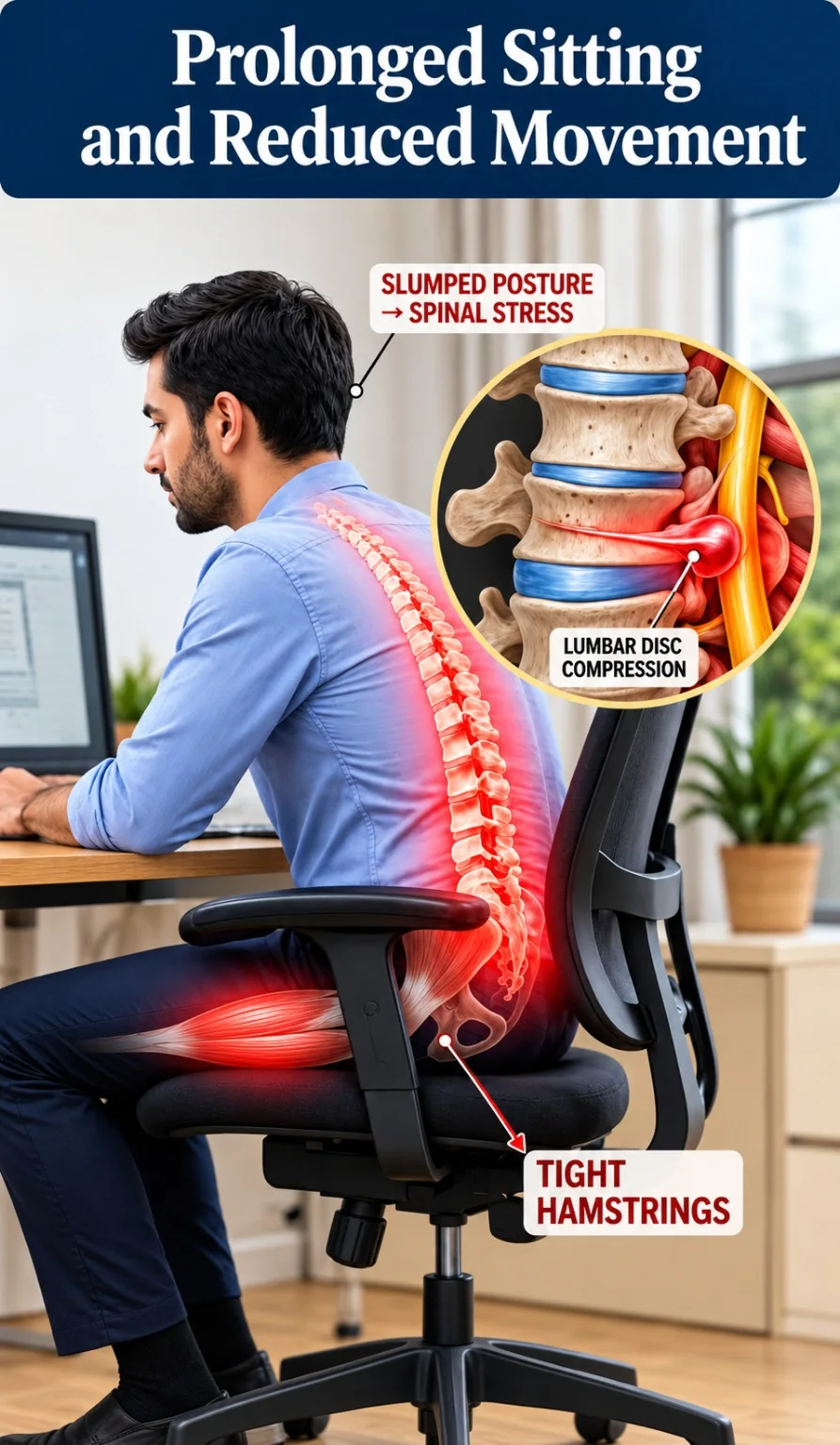
Figure 3. Prolonged sitting and limited movement may contribute to symptoms in some people.
3. Disc bulge or herniated disc
Intervertebral discs sit between the bones of the spine and help distribute loads. A disc can bulge or herniate when disc material extends beyond its usual boundary. These findings can also occur in people without pain.
When a disc problem is clinically relevant, symptoms may include lower back pain and, if nerve tissue is irritated, pain travelling into the buttock or leg, tingling, numbness or weakness.
A disc bulge on an MRI does not automatically mean it is the source of pain. Imaging must be interpreted alongside symptoms and examination findings.
What may help? Management depends on symptom severity, neurological findings and functional limitations. Many people improve without surgery. A clinician may recommend activity guidance, appropriate exercise and physiotherapy when suitable.
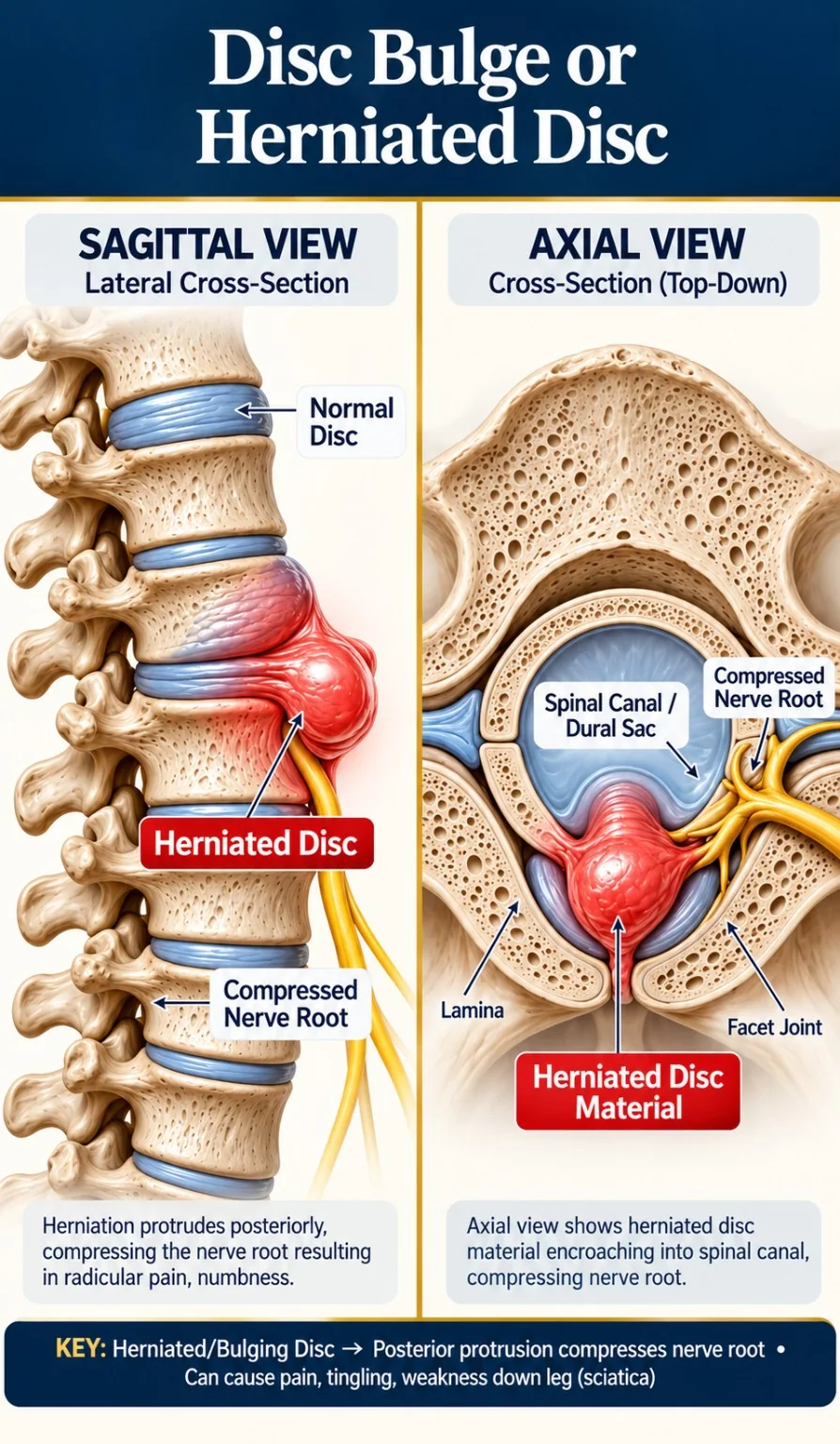
Figure 4. A herniated disc may irritate or compress a nearby nerve root, but not every disc finding causes symptoms.
4. Sciatica or irritation of a spinal nerve root
Sciatica describes symptoms associated with irritation or compression of the sciatic nerve or its contributing nerve roots. It commonly involves pain travelling from the lower back or buttock into one leg.
Pain may feel sharp, burning or electric. Tingling, numbness or weakness can also occur. Some people have back pain alongside leg pain, while others notice leg symptoms more prominently.
Pain travelling down the leg may suggest nerve involvement, but not every case of leg pain is sciatica.
What may help? Assessment can help determine whether nerve-related symptoms are present and whether medical investigation is needed. Treatment may include tailored activity advice, exercise and physiotherapy. New or progressive weakness needs prompt medical attention.
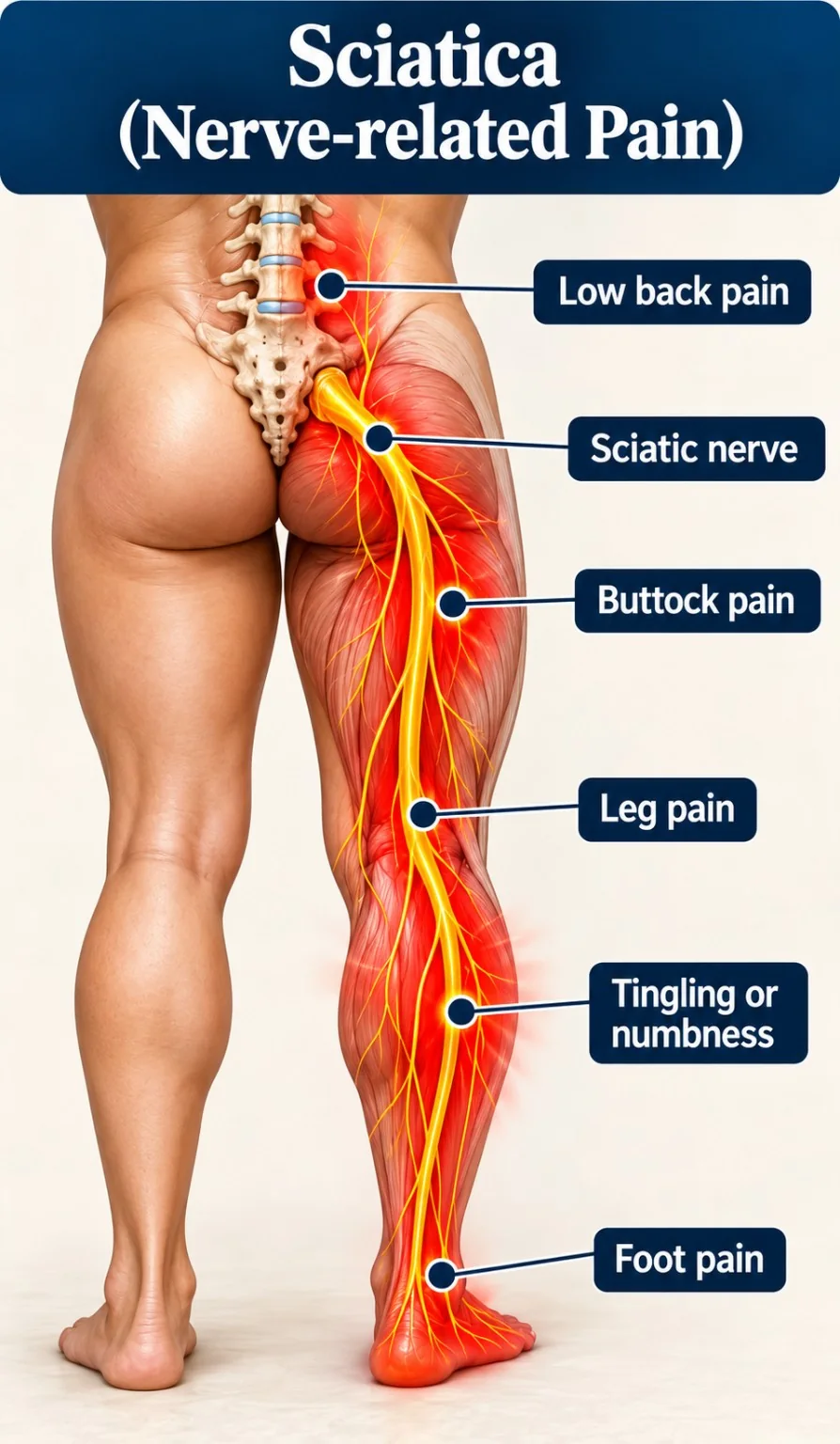
Figure 5. Sciatica symptoms can travel into the leg, but their distribution varies between individuals.
5. Age-related changes in spinal discs and joints
As people age, spinal discs and joints can undergo structural changes, including reduced disc hydration, narrowing of disc spaces and changes in the small joints at the back of the spine.
These findings are common even in people who have no back pain. In some people, they may contribute to symptoms; in others, they may be incidental.
What may help? Regular physical activity, appropriate strengthening and an individualised management plan may improve function. Treatment should focus on symptoms and abilities, not an imaging report alone.
6. Spinal canal narrowing (lumbar spinal stenosis)
Lumbar spinal stenosis means that spaces around spinal nerves have narrowed. It is often associated with age-related changes.
Some people experience pain, heaviness, tingling or weakness in the buttocks or legs, especially when standing or walking for a while. Symptoms may ease when sitting or bending forward, but this pattern is not universal.
What may help? Assessment can distinguish spinal stenosis from other causes of leg symptoms. Management may include activity modification, exercise, physiotherapy and medical review. Progressive neurological symptoms need prompt specialist assessment.
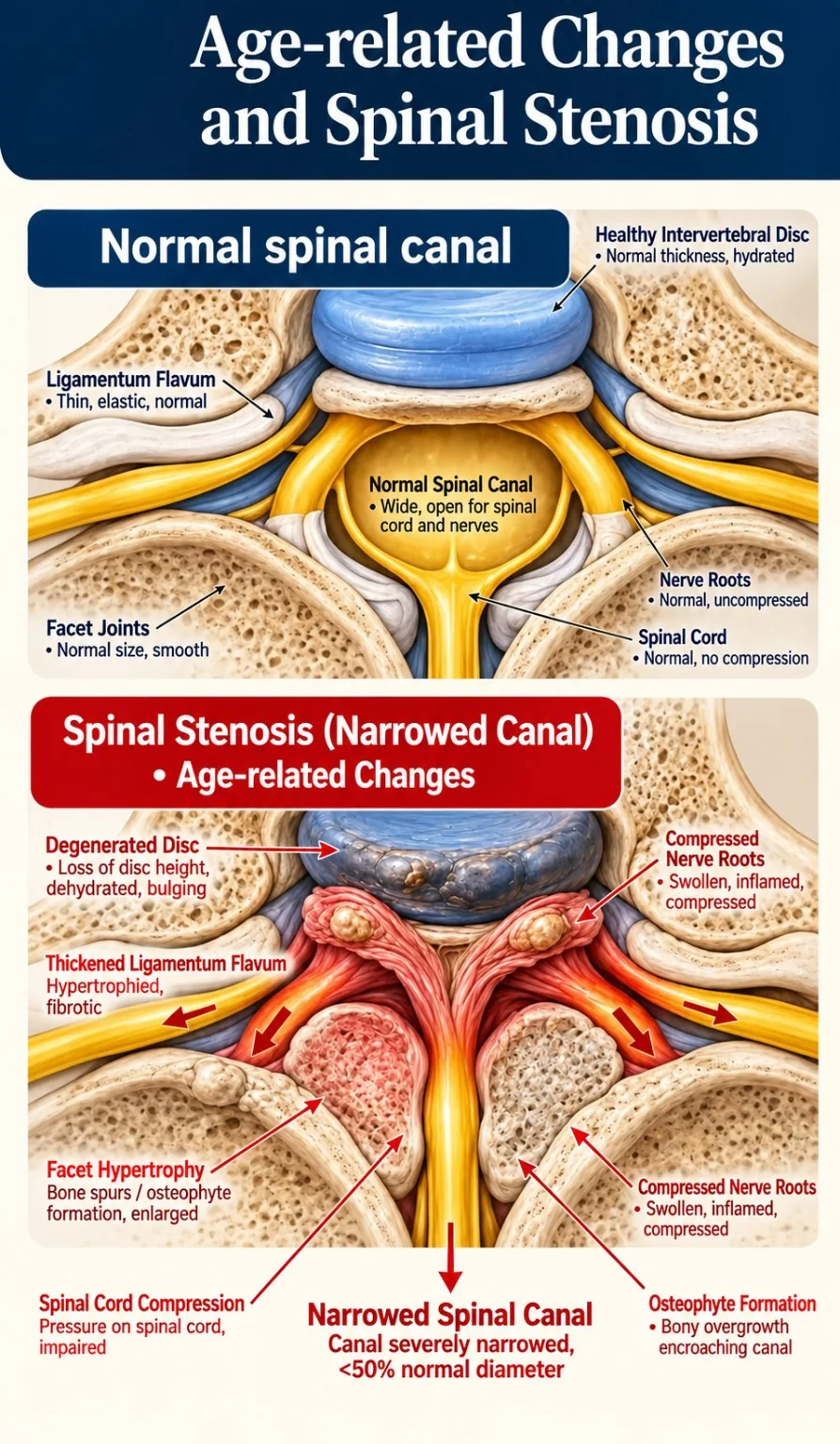
Figure 6. Spinal canal narrowing can affect the space available for neural structures; scan findings must be matched to the person's symptoms.
7. Sacroiliac joint or hip-related problems
Pain around the lower back or buttock does not always originate from the lumbar spine. The sacroiliac joints connect the sacrum to the pelvis, and hip conditions can also cause discomfort around the buttock, groin or nearby areas.
Symptoms may become noticeable during walking, climbing stairs, standing on one leg or changing position. However, pain location alone cannot confirm a sacroiliac or hip diagnosis.
What may help? An assessment may consider the lumbar spine, hips, pelvis and neurological findings rather than focusing only on the lower back.
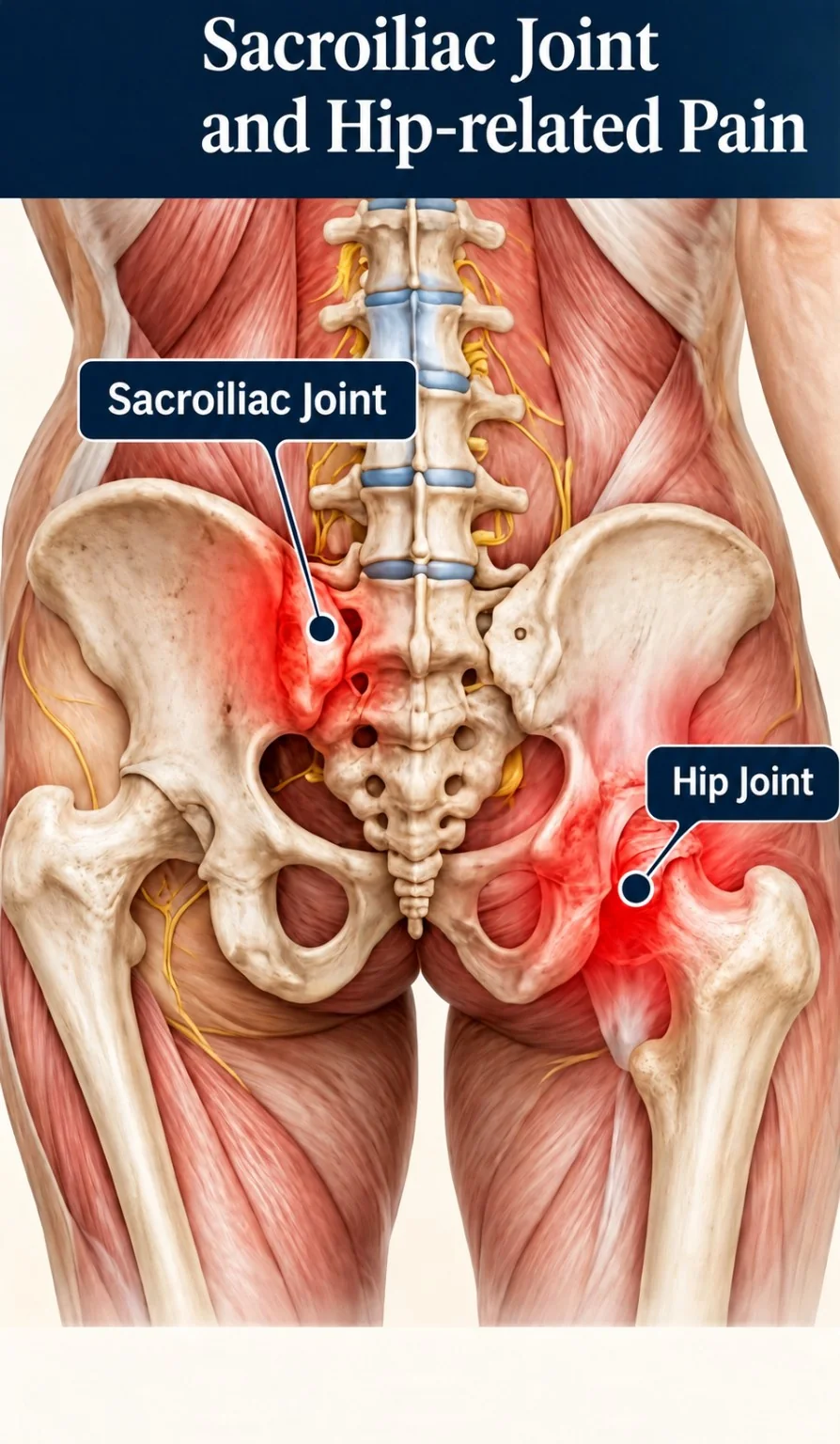
Figure 7. The hip and sacroiliac region may be considered during an assessment of lower back or buttock pain.
8. Osteoporosis-related vertebral fracture
A vertebral compression fracture occurs when a bone in the spine weakens and partially collapses. Osteoporosis increases the risk. A fracture may follow a fall or injury; in people with fragile bones, it can sometimes happen during a relatively minor movement.
New, localised pain after a fall or injury—or sudden back pain in someone at increased risk of fracture—needs prompt medical assessment. Do not assume it is simply a muscle strain or begin forceful exercise before the cause is assessed.
9. Inflammatory conditions
Inflammatory conditions affecting the spine can cause persistent pain and stiffness. Some people report morning stiffness that improves with movement, but these features are not specific enough to establish a diagnosis.
Persistent symptoms, especially with other systemic features or a relevant medical history, warrant assessment by a qualified clinician.
10. Referred pain or another medical condition
Less commonly, pain felt in the back may be referred from internal organs or other body systems. Depending on the cause, it may occur alongside abdominal pain, urinary symptoms, fever, nausea or other unusual symptoms.
Examples include certain kidney or urinary conditions and, rarely, more serious medical disorders. Unexplained persistent pain or unusual accompanying symptoms should be medically assessed rather than assumed to be a mechanical back problem.
How can you tell what is causing your lower back pain?
Different conditions can produce similar symptoms. A clinician may ask when the pain began, whether it followed an injury or activity change, whether it travels into the buttock or leg, and whether tingling, numbness or weakness is present. Medical history and other symptoms also matter.
A physical examination may include movement, strength, sensation, walking and relevant neurological checks. No single physical test identifies every cause of low back pain.
Do you need an X-ray or MRI?
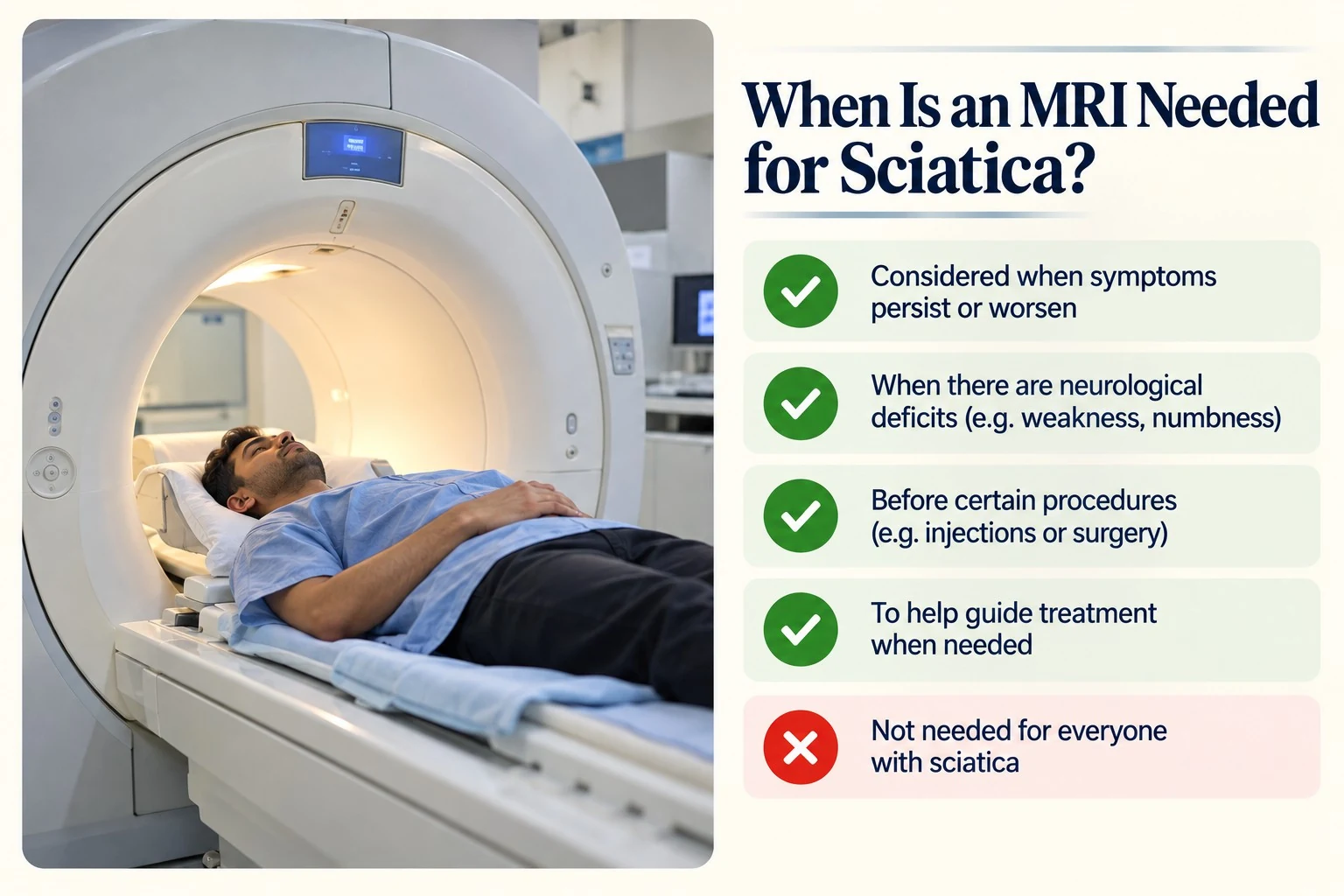
Not everyone with lower back pain needs imaging. In many cases, assessment and initial management can begin without an immediate scan. Imaging may be considered when there is concern about a serious underlying condition, significant or progressive neurological impairment, or when the result is likely to change management.
An X-ray, CT scan or MRI may be appropriate in different circumstances. Imaging findings should be interpreted alongside the person's symptoms and clinical examination.
Low back pain treatment: what can help?
Treatment should reflect the likely cause, symptom severity, medical history and the activities you need to return to. For many people without warning signs, conservative care is an appropriate starting point.
Stay gently active
For uncomplicated back pain, prolonged bed rest is generally not recommended. Continue ordinary activities within your tolerance and increase movement gradually. Short walks and regular position changes may be easier than remaining in one position for a long time.
Modify aggravating activities temporarily
You may need to reduce heavy lifting, repetitive bending or activities that significantly aggravate symptoms for a short period. This does not necessarily mean avoiding them indefinitely. The goal is to find a manageable level of activity and gradually rebuild capacity.
Choose exercises that suit your symptoms
There is no single exercise that is best for everyone with lower back pain. Depending on assessment, a programme may include gentle spinal movement, trunk and hip strengthening, walking or other aerobic activity, and gradual practice of tasks that have become difficult. Exercise should suit your presentation and be progressed according to your response.
Consider physiotherapy when appropriate
Physiotherapy may help people with persistent, recurrent or activity-limiting back pain. Treatment can include education, exercise, graded return to activity and selected hands-on techniques when appropriate. A useful plan should address the activities you want to resume, such as sitting at work, walking, lifting, exercising or completing daily tasks.
Treatment is individualised. No technique can guarantee recovery, and the number of sessions varies between individuals.
Discuss medication with a qualified clinician
Medication may be appropriate in some circumstances, depending on your medical history and other medicines. Some medicines carry important risks and are not suitable for everyone. Ask a doctor or pharmacist about suitable options; do not start, stop or combine prescription medicines without appropriate advice.
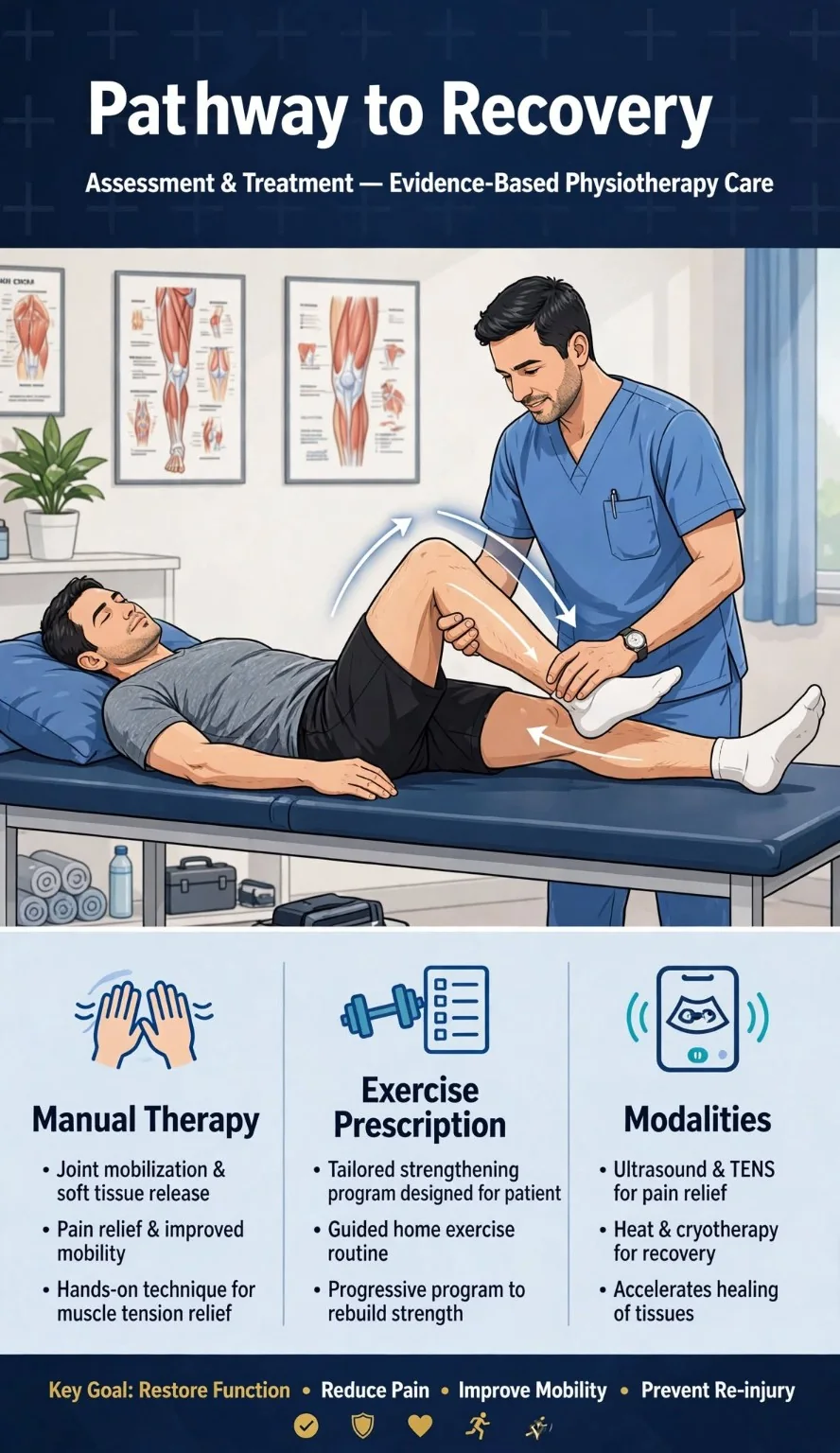
Figure 8. A physiotherapy assessment considers the person's symptoms, movement and function; this illustration does not represent a complete examination.
When should you seek urgent medical attention?
Most episodes of lower back pain are not emergencies, but certain symptoms should never be ignored.
Seek emergency medical care if you develop:
- New difficulty urinating, inability to urinate, or loss of bladder or bowel control.
- Numbness around the genitals, buttocks or inner thighs (saddle-area numbness).
- Severe or rapidly worsening weakness in one or both legs.
- Significant back pain after major trauma.
Seek prompt medical assessment if you have fever with back pain, a history of cancer with new unexplained back pain, unexplained weight loss, a substantial risk of fracture, or pain accompanied by concerning abdominal, urinary or other systemic symptoms.
These symptoms do not always mean a serious condition is present, but they need appropriate assessment. Do not delay emergency care to try home exercises or wait for a physiotherapy appointment.
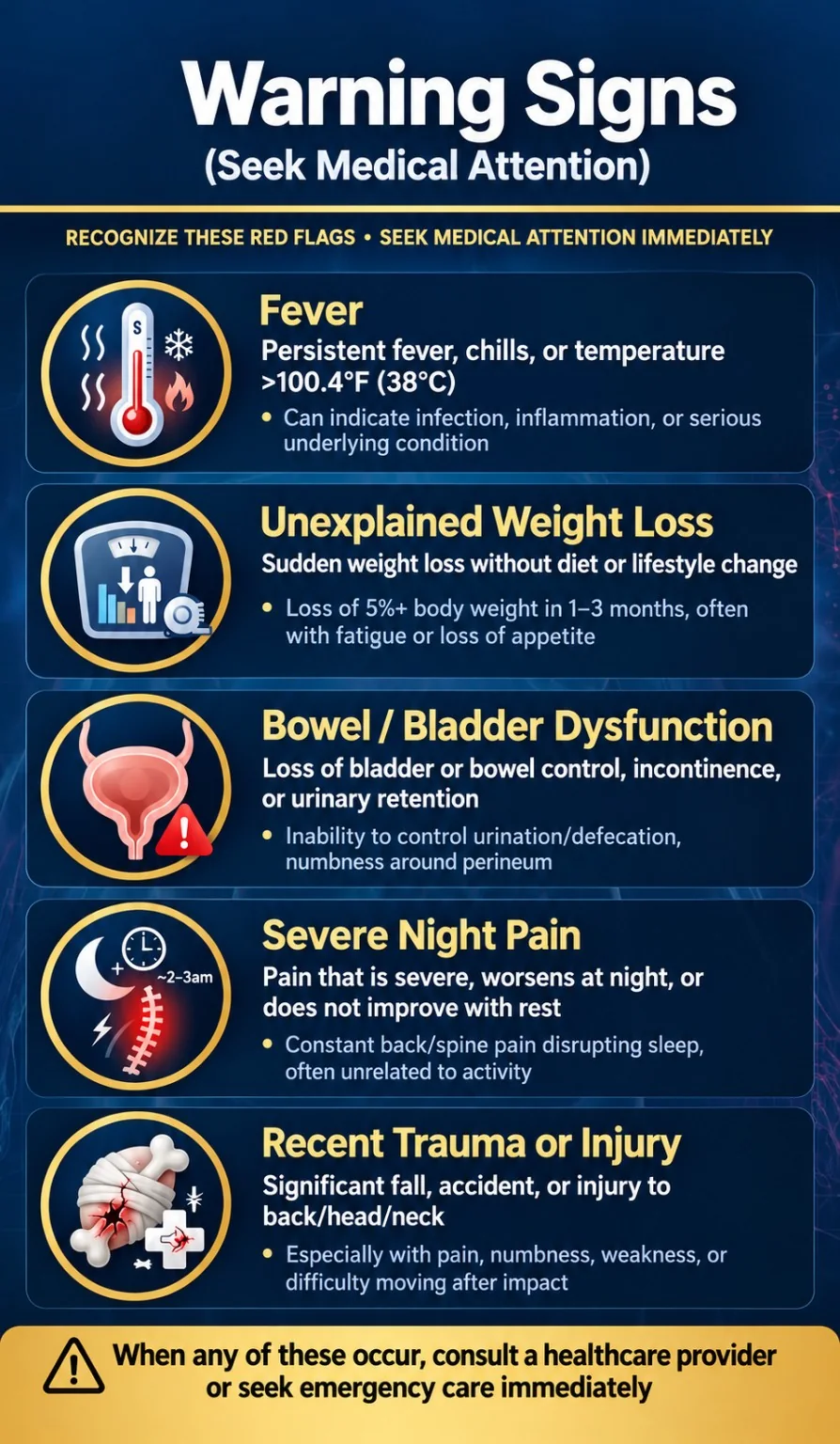
Figure 9. Warning signs are reasons to seek assessment, not a self-diagnosis checklist.
When should you consult a physiotherapist?
Consider a physiotherapy assessment if back pain is affecting your work, sleep, walking, exercise or daily activities; if episodes keep returning; or if you are struggling to resume normal movement.
A physiotherapist can assess movement and function, screen for findings that need medical referral, and help develop a plan suited to your needs. If symptoms suggest a condition outside the scope of physiotherapy, medical evaluation may be required.
Physiotherapy should not replace urgent medical assessment when warning signs are present.
Looking for low back pain treatment in Hyderabad?
If you live or work in Manikonda or nearby areas of Hyderabad, the first step is to understand your symptoms rather than assume the cause.
At Dr Hamid’s Physio and Pain Clinic, Manikonda, Hyderabad, a physiotherapy assessment can help explore movement limitations, functional difficulties and whether a physiotherapy programme is appropriate for your presentation.
Care may include education, tailored exercises, activity guidance and a gradual return to meaningful daily activities, depending on the assessment.
If you are searching for low back pain treatment in Hyderabad, choose a qualified healthcare professional who considers your history, symptoms and warning signs and explains the available options clearly.
Contact the clinic to enquire about an appointment and discuss whether physiotherapy assessment may be suitable for you.
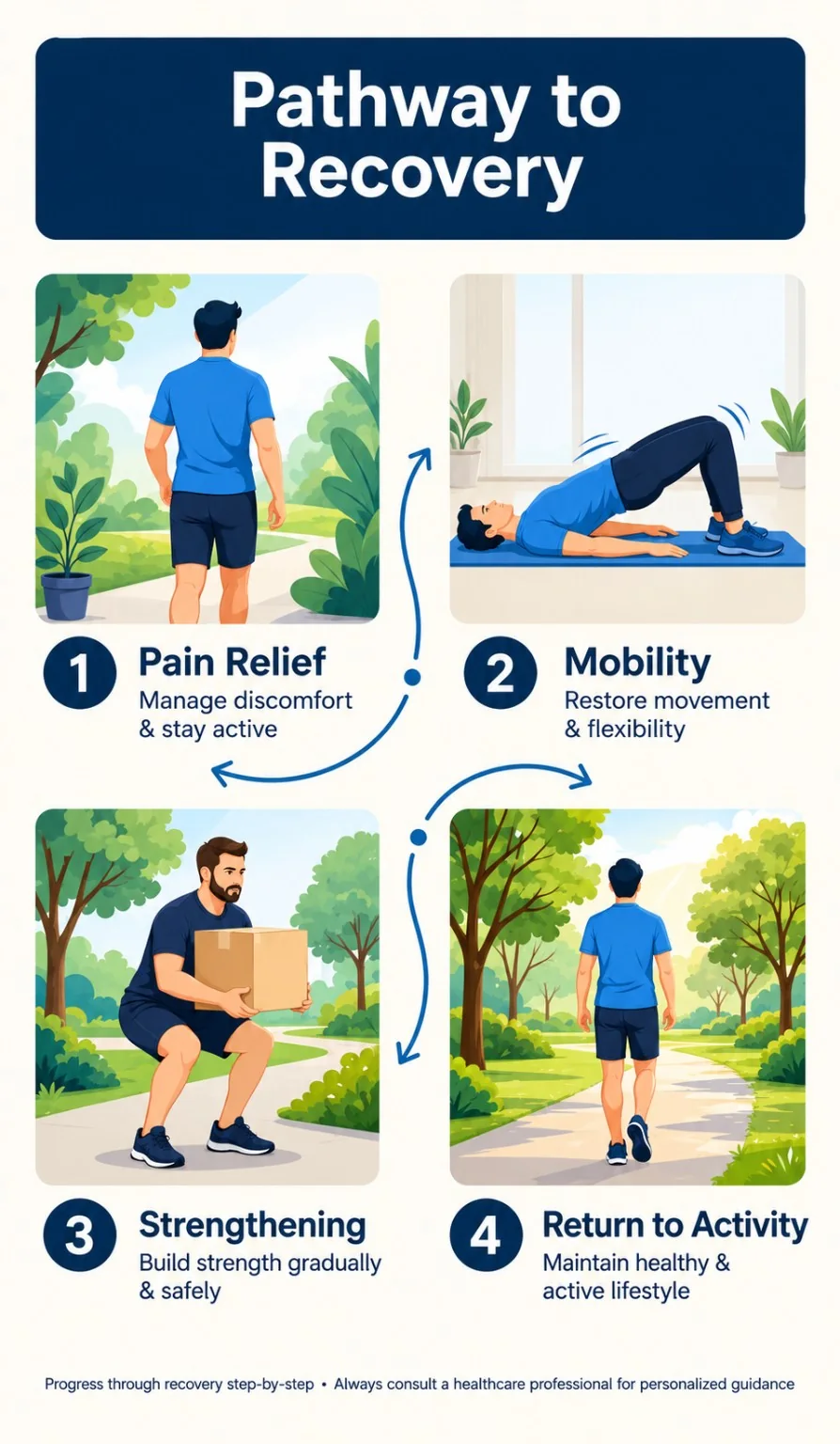
Figure 10. Recovery often involves a gradual return to movement and daily activities, adapted to the individual.
Frequently asked questions about lower back pain
What is the most common cause of lower back pain?
Many cases are classified as nonspecific low back pain, meaning no single specific structure or disease can be confidently identified as the cause. Muscle strain and activity-related discomfort are possible contributors, but symptoms alone cannot confirm a diagnosis.
Can sitting for long hours cause lower back pain?
Long periods in one position may contribute to discomfort in some people, especially when movement is limited. Regular movement breaks, position changes and appropriate activity may help. Sitting posture alone does not explain every case.
How do I know if a disc bulge is causing my back pain?
You cannot reliably determine this from pain alone. Disc changes can occur without symptoms, and several other conditions can cause similar discomfort. A clinician can assess your history and examination findings and decide whether imaging is needed.
Is lower back pain the same as sciatica?
No. Lower back pain refers to pain in the lower back. Sciatica involves symptoms associated with irritation of the sciatic nerve or its contributing nerve roots, commonly with pain travelling into the buttock and leg. They can occur together but are not interchangeable terms.
Should I rest completely when my lower back hurts?
For uncomplicated back pain, prolonged bed rest is generally not recommended. Gentle activity within your tolerance is usually preferable. Suspected injury, severe symptoms or warning signs require appropriate medical assessment.
Do I need an MRI for lower back pain?
Not necessarily. Many people do not need immediate imaging. A clinician may recommend an MRI when findings suggest a serious condition, significant neurological involvement, or a need for information that could change treatment decisions.
Can physiotherapy help lower back pain?
Physiotherapy may help improve movement, strength, activity tolerance and function in many people with lower back pain. The plan should be tailored to the person's presentation, and warning signs should be assessed appropriately.
How long does lower back pain take to improve?
Recovery varies according to the cause, severity, general health and other factors. Many uncomplicated episodes improve over days to weeks, while some last longer or recur. Persistent, worsening or function-limiting symptoms deserve assessment.
Can lower back pain occur without an injury?
Yes. Lower back pain can begin without a clear injury or identifiable trigger. The absence of an injury does not automatically mean the pain is serious or harmless.
Where can I get low back pain treatment in Hyderabad?
People in Manikonda and nearby areas can enquire about an assessment at Dr Hamid’s Physio and Pain Clinic, Manikonda, Hyderabad. The appropriate next step depends on symptoms and whether physiotherapy or medical evaluation is indicated.
Sources and further reading
These external sources support the general health information in this article. They are not endorsements of a particular clinic or individual treatment plan.
- World Health Organization (WHO): Low back pain
- WHO: Guideline for non-surgical management of chronic primary low back pain
- NHS: Back pain — symptoms and when to get help
- NHS: Sciatica
- NICE guideline NG59: Low back pain and sciatica in over-16s
Related clinic information
Explore back pain physiotherapy, the related guide to sciatica and disc bulge, or contact the clinic.