
Manikonda & Puppalguda Clinic • Home Physiotherapy Visits

    Geriatric Physiotherapy & Senior Mobility Care in Manikonda, Hyderabad

    Specialized, compassionate physical therapy for senior citizens addressing balance deficits, osteoporosis, degenerative arthritis, and functional independence in Manikonda.

    Dr. Hamid, BPT, MPT (8+ Yrs)
    Evidence-Based Care
    Home Physiotherapy Visits

    📍 Opp: HDFC Bank ATM, near Friends Colony Park, Puppalguda, Manikonda. Same-day appointments available.

    Geriatric physiotherapy and senior balance mobility care in Manikonda clinic
    Sports, Post-Op & GeneralVerified Clinical Protocol

    1-on-1 personalized sessions by Dr. Mohammed Hamid Ali, BPT, MPT (Orthopedics). Complete assessment and progressive milestone recovery.

    Clinical Overview & Definition

    What is Geriatric Physiotherapy?

    Geriatric physiotherapy is the specialized branch of physical rehabilitation tailored to the physiological, biomechanical, and psychological needs of aging adults. As our bodies age, progressive changes occur in musculoskeletal density, joint cartilage lubrication, cardiovascular reserve, and neurological balance reflexes. Common conditions affecting seniors in our Hyderabad communities include multi-joint osteoarthritis, osteoporosis, age-related sarcopenia (muscle loss), spinal stenosis, Parkinson's disease, and post-fall mobility loss. At Dr. Hamid's Physio and Pain Clinic, geriatric care focuses on restoring dignity, maintaining autonomous living, preventing catastrophic falls, and ensuring seniors live active, pain-free lives.

    How Targeted Physiotherapy Restores Function

    Physiotherapy is transformative for seniors, proving that strength, flexibility, and balance can be improved at any age. Dr. Mohammed Hamid Ali (BPT) designs low-impact, functional exercise programs that strengthen hip extensors, awaken dormant balance reflexes, and gently mobilize arthritic joints. Under expert clinical supervision, elderly patients regain muscle tone, stabilize their gait, and rediscover the joy of independent walking without fear of falling.

    Common Causes

    Primary mechanical, postural, and physiological factors observed in our Manikonda clinic:

    • Age-related sarcopenia leading to progressive loss of skeletal muscle mass and lower limb power
    • Degenerative wear of articular cartilage in weight-bearing knees, hips, and spinal facet joints
    • Decreased bone mineral density (osteoporosis/osteopenia) increasing vulnerability to fragility fractures
    • Deterioration of vestibular, visual, and somatosensory proprioceptive balance systems
    • Sedentary lifestyle and fear of falling (fall apprehension) causing self-imposed activity restriction
    • Polypharmacy side effects leading to postural orthostatic hypotension and lightheadedness

    Frequent Symptoms

    Signs and functional limitations indicating need for physical therapy:

    • Slowness, unsteadiness, or shuffling steps while walking across rooms or outdoor pavements
    • Stiffness and joint groaning when attempting to stand up from deep armchairs or sofas
    • Frequent near-miss stumbles, loss of balance, or a documented history of falls
    • General exhaustion, muscle weakness, and inability to climb stairs without breathlessness
    • Loss of confidence in leaving the house alone, relying heavily on family members for basic errands
    Step-by-Step Clinical Assessment

    Our Diagnostic Evaluation in Manikonda

    Before applying any treatment, Dr. Mohammed Hamid Ali, BPT, MPT (Orthopedics) conducts a comprehensive 45-minute clinical evaluation to pinpoint the exact musculoskeletal root cause.

    1
    Comprehensive geriatric health screening including fall risk evaluation (Timed Up and Go / Berg Balance Test)
    2
    Range of motion and flexibility assessment across cervical spine, hips, knees, and ankles
    3
    Functional muscle strength testing for sit-to-stand, stair ascent, and floor transfer capacity
    4
    Gait kinematics analysis identifying foot drop, asymmetric stride length, or excessive trunk sway
    5
    Home environment safety assessment to identify trip hazards, lighting issues, and grab rail needs
    Multimodal Treatment Protocol

    Evidence-Based Treatment Approach

    We integrate hands-on manual mobilizations, targeted electro-physical modalities, and progressive active exercise therapy:

    Gentle passive and active-assisted mobilizations to lubricate degenerative, stiff joints
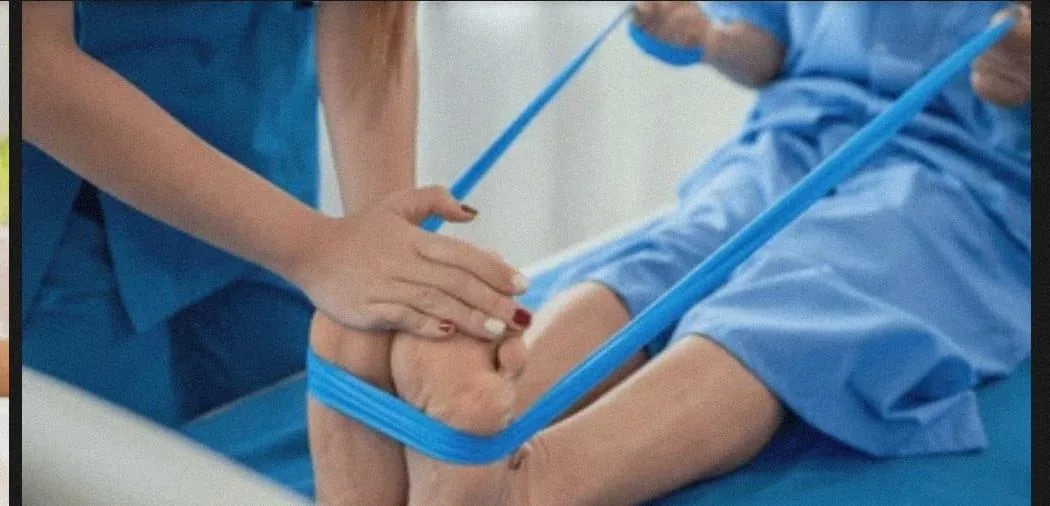
    Progressive functional resistance training utilizing light resistance bands and bodyweight transfers
    Multi-sensory balance retraining (tandem standing, weight shifts, obstacle navigation)
    Gait re-education including assistive device prescription and proper ergonomic walking technique
    Gentle therapeutic heat and pain-relieving electrotherapy to ease chronic morning stiffness
    Expected Recovery Timeline

    Significant improvements in balance confidence and pain relief are typically observed within 3 to 4 weeks. Sustained gains in lower limb strength, independent walking endurance, and fall risk reduction develop over 8 to 12 weeks of consistent therapy.

    Home Care & Ergonomics

    • Remove loose floor rugs, clear clutter from hallways, and ensure nightlights are plugged in near the bed
    • Install sturdy grab bars in bathrooms near the toilet and shower area
    • Wear supportive, non-skid footwear with closed backs rather than open-heel loose slippers
    • Perform gentle daily ankle circles and seated knee extensions while watching TV to maintain circulation

    When to Consult Dr. Hamid

    Consult Dr. Hamid if an elderly family member has experienced a fall, struggles to stand from a chair, walks with an unsteady shuffling gait, or complains of persistent morning joint pain that is restricting their daily joy and mobility.

    Frequently Asked Questions

    Patient Questions & Answers

    Clear clinical answers by Dr. Mohammed Hamid Ali to help you make informed decisions about your rehabilitation.