Manikonda & Puppalguda Clinic • Home Physiotherapy Visits

    Muscle Spasm Physiotherapy & Relief in Manikonda, Hyderabad

    Rapid-acting, non-invasive physical therapy to release painful involuntary muscle contractions, eliminate trigger points, and restore pain-free movement in Manikonda.

    Dr. Hamid, BPT, MPT (8+ Yrs)
    Evidence-Based Care
    Home Physiotherapy Visits

    📍 Opp: HDFC Bank ATM, near Friends Colony Park, Puppalguda, Manikonda. Same-day appointments available.

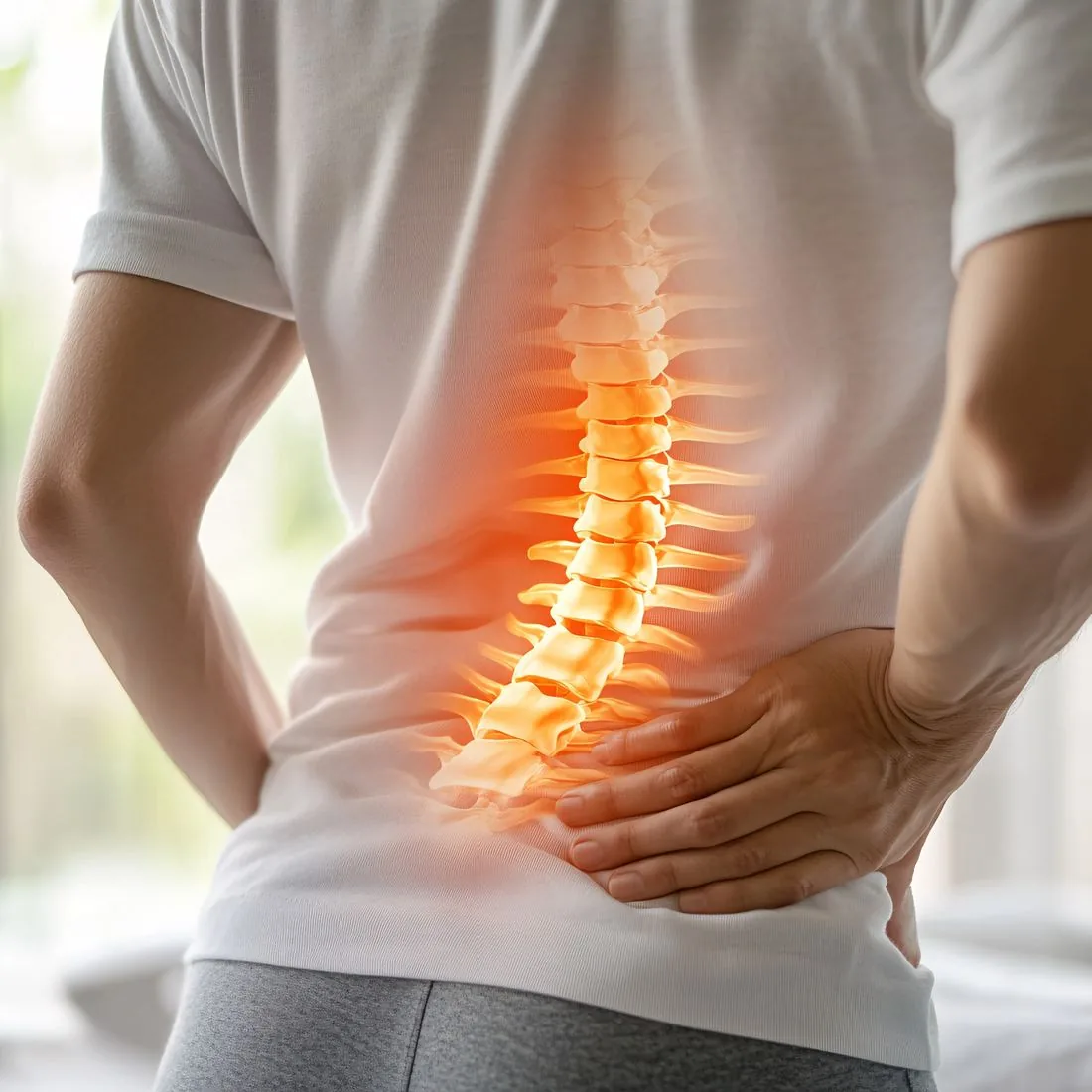
    Muscle spasm physiotherapy and myofascial release in Manikonda clinic
    Sports, Post-Op & GeneralVerified Clinical Protocol

    1-on-1 personalized sessions by Dr. Mohammed Hamid Ali, BPT, MPT (Orthopedics). Complete assessment and progressive milestone recovery.

    Clinical Overview & Definition

    What is Muscle Spasm Physiotherapy?

    A muscle spasm (also known as an acute muscle cramp, knot, or involuntary muscle guarding) is a sudden, sustained, and uncontrollable contraction of one or more muscle fibers. Muscle spasms commonly attack the lower back (lumbar paraspinal spasm), neck (acute torticollis or 'crick in the neck'), calves (nighttime charley horse), and shoulder blades (rhomboid/trapezius knots). In a protective attempt to splint an irritated spine or joint, surrounding muscles lock down in hyper-contraction, pinching localized blood vessels, starving tissues of oxygen (ischemia), and triggering severe, sharp pain. At Dr. Hamid's Physio and Pain Clinic in Manikonda, we break the vicious spasm-pain-spasm cycle quickly and gently.

    How Targeted Physiotherapy Restores Function

    Relying solely on muscle relaxant pills often causes extreme drowsiness while leaving the mechanical trigger untouched. Physiotherapy provides immediate, localized relief. Dr. Mohammed Hamid Ali (BPT) utilizes targeted electrotherapy (IFT and TENS) to fatigue and relax hyper-contracted motor units, followed by gentle moist heat, ischemic compression, and specialized reciprocal inhibition techniques. This flushes out inflammatory lactic acid, restores blood flow, and frees your locked spine or limbs.

    Common Causes

    Primary mechanical, postural, and physiological factors observed in our Manikonda clinic:

    • Protective neuromuscular guarding secondary to an underlying spinal disc bulge or facet joint sprain
    • Sudden awkward twisting, bending, or unaccustomed heavy lifting overloading cold muscle tissues
    • Prolonged static posture in poor ergonomic desk chairs causing deep postural muscle ischemia
    • Severe dehydration, electrolyte depletion (magnesium, potassium, calcium), and heat stress
    • Direct muscle trauma, blunt contusions, or intense eccentric athletic overload
    • High psychological tension manifesting physically as chronic upper back and neck knots

    Frequent Symptoms

    Signs and functional limitations indicating need for physical therapy:

    • Sudden, excruciating sharp pain freezing the affected body part in an awkward, locked position
    • A palpable, rock-hard knot or taut muscular band that is intensely tender to touch
    • Complete inability to turn your neck, straighten your back, or bend forward without intense catching pain
    • Visible twitching or fasciculation in the contracted muscle belly
    • Radiating dull ache spreading into neighboring joint areas and causing severe movement restriction
    Step-by-Step Clinical Assessment

    Our Diagnostic Evaluation in Manikonda

    Before applying any treatment, Dr. Mohammed Hamid Ali, BPT, MPT (Orthopedics) conducts a comprehensive 45-minute clinical evaluation to pinpoint the exact musculoskeletal root cause.

    1
    Immediate palpatory examination to map the exact location of taut muscular bands and active trigger points
    2
    Gentle cervical, thoracic, or lumbar spine screening to identify underlying disc or joint irritation triggers
    3
    Passive versus active range of motion assessment measuring the degree of protective movement restriction
    4
    Postural and ergonomic evaluation identifying workstation or lifting habits that triggered the spasm
    5
    Neurological screening to rule out acute nerve root compression or spinal emergency red flags
    Multimodal Treatment Protocol

    Evidence-Based Treatment Approach

    We integrate hands-on manual mobilizations, targeted electro-physical modalities, and progressive active exercise therapy:

    Interferential Therapy (IFT) and TENS delivering soothing electrical frequencies that break muscle hyper-tonus
    Moist heat packs (hydrocollator therapy) to dilate local blood vessels and flood tissues with oxygen
    Ischemic trigger point compression and manual myofascial release to unknot tight muscle fibers
    Muscle Energy Techniques (MET) utilizing reciprocal inhibition to coax locked muscles into lengthening
    Gentle active mobilization and ergonomic guidance to prevent recurrence once the spasm unlocks
    Expected Recovery Timeline

    Acute muscle spasms typically show dramatic relief within 1 to 3 targeted physiotherapy sessions (24 to 72 hours). Underlying postural or spinal weaknesses are strengthened over 2 to 3 weeks to prevent future spasms.

    Home Care & Ergonomics

    • Apply moist heat or a warm shower to the locked muscle for 15 minutes to encourage vasodilation
    • Avoid complete bed rest; take gentle, short steps around the room to keep spinal circulation active
    • Stay hydrated by sipping warm water enriched with electrolytes (magnesium, lemon, pinch of rock salt)
    • Avoid aggressive, forceful stretching while the muscle is locked; perform gentle pain-free breathing

    When to Consult Dr. Hamid

    Contact Dr. Hamid immediately if an acute muscle spasm has locked your neck or back, prevents you from standing or walking, or fails to release within 24 hours of rest and home heat.

    Frequently Asked Questions

    Patient Questions & Answers

    Clear clinical answers by Dr. Mohammed Hamid Ali to help you make informed decisions about your rehabilitation.