Manikonda & Puppalguda Clinic โ€ข Home Physiotherapy Visits

    Post Knee Replacement Rehabilitation in Manikonda, Hyderabad

    Specialized, protocol-driven rehabilitation following total knee replacement (TKR) and partial knee replacement surgery.

    Dr. Hamid, BPT, MPT (8+ Yrs)
    Evidence-Based Care
    Home Physiotherapy Visits

    ๐Ÿ“ Opp: HDFC Bank ATM, near Friends Colony Park, Puppalguda, Manikonda. Same-day appointments available.

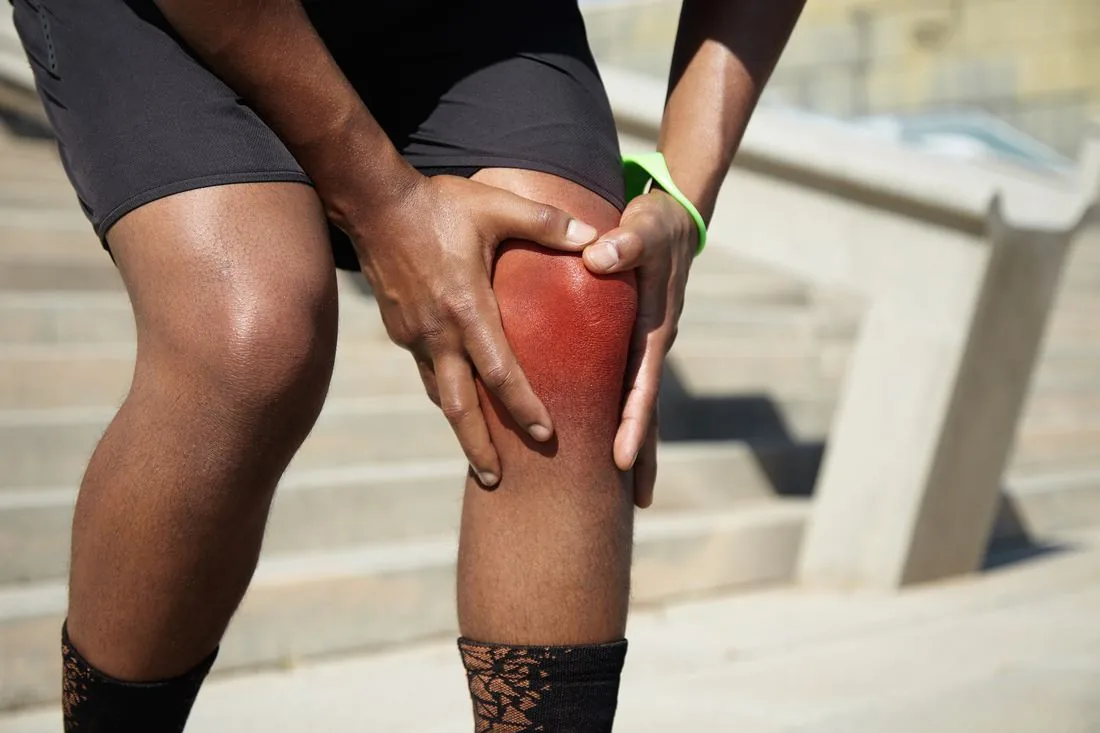
    Post knee replacement rehabilitation and TKR recovery in Manikonda clinic
    Sports, Post-Op & GeneralVerified Clinical Protocol

    1-on-1 personalized sessions by Dr. Mohammed Hamid Ali, BPT, MPT (Orthopedics). Complete assessment and progressive milestone recovery.

    Clinical Overview & Definition

    What is Post Knee Replacement Rehabilitation?

    Post knee replacement rehabilitation is the critical structured physiotherapy program following Total Knee Replacement (TKR) or Unicompartmental Knee Arthroplasty (UKA). While the surgical procedure replaces the damaged joint surfaces with metal and plastic components, successful functional recovery depends entirely on systematic rehabilitation. Post-operative physiotherapy restores knee range of motion, rebuilds quadriceps strength, normalizes walking gait, and enables patients to return to independent daily activities. At Dr. Hamid's Physio and Pain Clinic in Manikonda, Hyderabad, Dr. Mohammed Hamid Ali, BPT, MPT (Orthopedics) provides comprehensive, surgeon-aligned rehabilitation protocols ensuring optimal outcomes after knee replacement surgery.

    How Targeted Physiotherapy Restores Function

    Structured post-operative physiotherapy dramatically accelerates knee replacement recovery. Dr. Mohammed Hamid Ali, BPT, MPT (Orthopedics) implements phased rehabilitation protocols: early mobilization to prevent stiffness, progressive range of motion exercises to achieve functional flexion, quadriceps strengthening to restore stable walking, and functional training for stairs and daily activities. This evidence-based approach ensures you achieve maximum knee function, typically reaching 110-120 degrees of bending within 6 to 12 weeks.

    Common Causes

    Primary mechanical, postural, and physiological factors observed in our Manikonda clinic:

    • Post-surgical joint stiffness and capsular contracture from tissue healing
    • Quadriceps inhibition and weakness following surgical trauma
    • Persistent post-operative swelling and joint effusion
    • Altered gait patterns developed during years of pre-operative arthritis
    • Scar tissue formation requiring manual mobilization
    • Muscle atrophy from pre-operative pain avoidance and disuse

    Frequent Symptoms

    Signs and functional limitations indicating need for physical therapy:

    • Significant stiffness and inability to fully bend or straighten the knee
    • Weakness when attempting to lift the leg straight (extension lag)
    • Difficulty walking without a walker, crutches, or cane
    • Persistent swelling around the knee and lower leg
    • Pain and apprehension during weight-bearing activities
    • Struggling with stairs, getting in and out of chairs, or car transfers
    Step-by-Step Clinical Assessment

    Our Diagnostic Evaluation in Manikonda

    Before applying any treatment, Dr. Mohammed Hamid Ali, BPT, MPT (Orthopedics) conducts a comprehensive 45-minute clinical evaluation to pinpoint the exact musculoskeletal root cause.

    1
    Goniometric measurement of knee flexion and extension range of motion
    2
    Assessment of active extension lag and quadriceps activation
    3
    Circumferential measurement of swelling and calf circumference
    4
    Surgical incision healing and scar mobility evaluation
    5
    Gait analysis with or without assistive devices
    Multimodal Treatment Protocol

    Evidence-Based Treatment Approach

    We integrate hands-on manual mobilizations, targeted electro-physical modalities, and progressive active exercise therapy:

    Phase 1 (Weeks 0-2): Edema control, patellar mobilization, quadriceps setting, and heel slides
    Phase 2 (Weeks 2-6): Progressive flexion to 90-110 degrees, stationary cycling, and walker weaning
    Phase 3 (Weeks 6-12): Closed kinetic chain strengthening, stair climbing, and outdoor walking
    Phase 4 (Weeks 12+): Advanced strengthening, endurance training, and return to recreational activities
    Manual scar tissue mobilization and joint mobilizations as needed
    Expected Recovery Timeline

    Most patients achieve independent walking with a cane by week 3 to 4, and walk without assistive devices by week 6 to 8. Functional knee flexion of 110-120 degrees is typically achieved by week 8 to 12. Full recovery of strength and endurance continues for 6 to 12 months.

    Home Care & Ergonomics

    • Perform ankle pumps and quadriceps sets every hour while awake to prevent blood clots
    • Elevate the operated leg above heart level when resting to reduce swelling
    • Apply ice packs for 15-20 minutes after exercise sessions
    • Perform prescribed heel slides and knee bends 3 to 4 times daily
    • Never place a pillow directly under the knee when restingโ€”place it under the calf

    When to Consult Dr. Hamid

    Begin rehabilitation immediately after hospital discharge (typically day 3 to 5 post-surgery). Home visits are strongly recommended for the first 2 to 3 weeks for patients who cannot travel to the clinic.

    Frequently Asked Questions

    Patient Questions & Answers

    Clear clinical answers by Dr. Mohammed Hamid Ali to help you make informed decisions about your rehabilitation.