
Manikonda & Puppalguda Clinic • Home Physiotherapy Visits

    Tech Neck / Text Neck Physiotherapy in Manikonda, Hyderabad

    Specialized clinical rehabilitation for forward head posture, device-related cervical strain, and postural neck dysfunction.

    Dr. Hamid, BPT, MPT (8+ Yrs)
    Evidence-Based Care
    Home Physiotherapy Visits

    📍 Opp: HDFC Bank ATM, near Friends Colony Park, Puppalguda, Manikonda. Same-day appointments available.

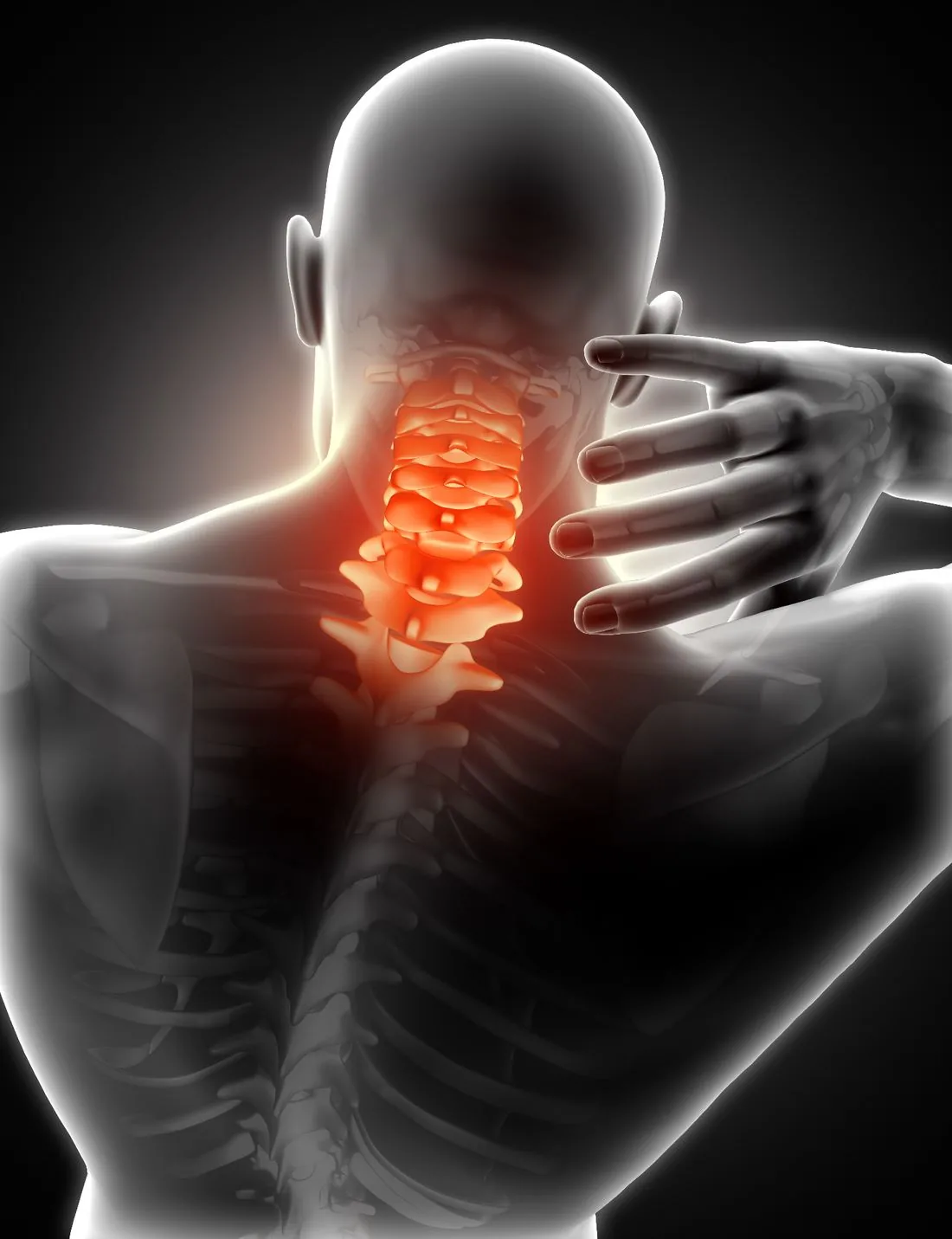
    Tech neck physiotherapy and forward head posture correction in Manikonda clinic
    Neck & CervicalVerified Clinical Protocol

    1-on-1 personalized sessions by Dr. Mohammed Hamid Ali, BPT, MPT (Orthopedics). Complete assessment and progressive milestone recovery.

    Clinical Overview & Definition

    What is Tech Neck / Text Neck Physiotherapy?

    Tech neck, also known as text neck, is a modern repetitive strain injury caused by prolonged forward head flexion while viewing smartphones, tablets, and laptops. The human head weighs approximately 5 kg in neutral alignment, but for every inch the head tilts forward, the effective weight on the cervical spine increases dramatically—up to 27 kg at 60 degrees of flexion. This sustained postural stress strains the posterior cervical muscles, flattens the natural cervical lordosis, accelerates disc degeneration, and leads to chronic neck pain, headaches, and upper back tension. At Dr. Hamid's Physio and Pain Clinic in Manikonda, Hyderabad, we provide comprehensive posture correction and cervical rehabilitation to reverse tech neck damage.

    How Targeted Physiotherapy Restores Function

    Tech neck is entirely reversible with targeted physiotherapy. Dr. Mohammed Hamid Ali, BPT, MPT (Orthopedics) addresses both the muscular imbalances and the underlying postural habit. Treatment includes myofascial release of tight anterior muscles, mobilization of stiff upper cervical and thoracic segments, deep neck flexor strengthening to restore the cervical curve, and ergonomic education to prevent recurrence during daily device use.

    Common Causes

    Primary mechanical, postural, and physiological factors observed in our Manikonda clinic:

    • Prolonged smartphone and tablet use with the head tilted forward and down
    • Laptop and desktop monitor positioned below eye level encouraging forward head posture
    • Weakness in deep cervical flexors and scapular stabilizers failing to support upright posture
    • Tightness in suboccipital muscles, upper trapezius, and pectorals from sustained forward positioning
    • Loss of the natural cervical lordosis (curve) from chronic postural stress

    Frequent Symptoms

    Signs and functional limitations indicating need for physical therapy:

    • Persistent dull ache across the base of the skull, neck, and tops of the shoulders
    • Stiffness and reduced ability to turn the head fully while driving or checking blind spots
    • Frequent tension headaches radiating from the upper neck to the temples or behind the eyes
    • Rounded shoulders and visible forward head posture when viewed from the side
    • Tight, tender muscle knots (trigger points) in the upper trapezius and between the shoulder blades
    Step-by-Step Clinical Assessment

    Our Diagnostic Evaluation in Manikonda

    Before applying any treatment, Dr. Mohammed Hamid Ali, BPT, MPT (Orthopedics) conducts a comprehensive 45-minute clinical evaluation to pinpoint the exact musculoskeletal root cause.

    1
    Craniovertebral angle measurement using digital photography to quantify forward head posture
    2
    Deep neck flexor endurance testing (craniocervical flexion test)
    3
    Cervical and thoracic range of motion assessment in all planes
    4
    Palpation of suboccipital muscles, upper trapezius, and levator scapulae for trigger points
    5
    Assessment of scapular position, thoracic kyphosis, and pectoral muscle tightness
    Multimodal Treatment Protocol

    Evidence-Based Treatment Approach

    We integrate hands-on manual mobilizations, targeted electro-physical modalities, and progressive active exercise therapy:

    Myofascial release of tight suboccipitals, upper trapezius, levator scapulae, and pectorals
    Thoracic spine mobilization and extension exercises to open the chest and improve upright posture
    Deep cervical flexor retraining (chin tucks and craniocervical flexion) to restore the natural cervical curve
    Scapular retraction and stabilization exercises to support the shoulder girdle
    Ergonomic workstation assessment and smartphone usage habit modification
    Expected Recovery Timeline

    Most patients experience significant reduction in neck pain and headache frequency within 2 to 4 weeks. Long-term postural correction and symptom resolution typically develop over 4 to 8 weeks with consistent exercise practice.

    Home Care & Ergonomics

    • Raise your phone to eye level instead of tilting your head down to view the screen
    • Position your laptop or monitor so the top third of the screen is at eye level
    • Perform chin tucks every 30 minutes during device use: gently pull your chin straight back
    • Take a 2-minute posture break every hour to stand, roll your shoulders back, and look up
    • Sleep on your back with a cervical roll or contour pillow to support the natural neck curve

    When to Consult Dr. Hamid

    Schedule an assessment if you experience daily neck stiffness and headaches from device use, notice rounded shoulders and forward head posture, or have persistent upper back tension that doesn't resolve with stretching.

    Frequently Asked Questions

    Patient Questions & Answers

    Clear clinical answers by Dr. Mohammed Hamid Ali to help you make informed decisions about your rehabilitation.