Manikonda & Puppalguda Clinic โ€ข Home Physiotherapy Visits

    Therapeutic Exercise Therapy in Manikonda, Hyderabad

    Scientifically prescribed, individualized movement protocols designed to remediate physical impairments, restore muscular function, and optimize musculoskeletal health.

    Dr. Hamid, BPT, MPT (8+ Yrs)
    Evidence-Based Care
    Home Physiotherapy Visits

    ๐Ÿ“ Opp: HDFC Bank ATM, near Friends Colony Park, Puppalguda, Manikonda. Same-day appointments available.

    Therapeutic exercise therapy and functional rehabilitation in Manikonda clinic
    Sports, Post-Op & GeneralVerified Clinical Protocol

    1-on-1 personalized sessions by Dr. Mohammed Hamid Ali, BPT, MPT (Orthopedics). Complete assessment and progressive milestone recovery.

    Clinical Overview & Definition

    What is Therapeutic Exercise Therapy?

    Therapeutic exercise is the systematic, planned performance of specialized bodily movements, postures, and physical activities intended to remediate physical impairments, improve musculoskeletal and cardiovascular function, prevent complications, and optimize overall physical health. Unlike generic gym workouts, therapeutic exercise is a medical prescription: precise in dosage, vector, plane of movement, repetition count, and physiological loading. At Dr. Hamid's Physio and Pain Clinic in Manikonda, therapeutic exercise represents the cornerstone of long-term healing, transitioning patients from passive pain relief to active, resilient strength.

    How Targeted Physiotherapy Restores Function

    While passive treatments like hot packs and electrotherapy soothe irritated nerves, only therapeutic exercise can permanently remodel biological tissues. Dr. Mohammed Hamid Ali (BPT) assesses your precise muscular weaknesses and movement restrictions, prescribing targeted exercises that lengthen shortened tissues, recruit dormant muscle fibers, and build progressive tensile strength in tendons and bones. Under clinical supervision, you learn correct movement biomechanics that protect your body for a lifetime.

    Common Causes

    Primary mechanical, postural, and physiological factors observed in our Manikonda clinic:

    • Post-injury muscular deconditioning and arthrogenic muscle inhibition
    • Prolonged sedentary work lifestyles creating profound postural muscle imbalances
    • Chronic joint stiffness resulting from lack of physiological movement and poor flexibility
    • Inadequate core and spinal stabilizer strength failing to shield joints from routine physical loads
    • Asymmetric muscular recruitment patterns developed after previous untreated sprains or fractures

    Frequent Symptoms

    Signs and functional limitations indicating need for physical therapy:

    • Rapid physical fatigue and muscle burning during modest everyday physical tasks
    • Persistent joint stiffness and feeling 'locked' or tight upon waking or sitting
    • Inability to maintain upright spinal posture without slouching or experiencing back ache
    • Recurrent flare-ups of joint or tendon pain whenever attempting new physical activities
    • Loss of functional movement ranges, such as reaching overhead or squatting down comfortably
    Step-by-Step Clinical Assessment

    Our Diagnostic Evaluation in Manikonda

    Before applying any treatment, Dr. Mohammed Hamid Ali, BPT, MPT (Orthopedics) conducts a comprehensive 45-minute clinical evaluation to pinpoint the exact musculoskeletal root cause.

    1
    Comprehensive movement screening evaluating joint mobility, kinetic chain alignment, and stability
    2
    Manual Muscle Testing (MMT) and dynamometry to pinpoint focal muscular deficits
    3
    Postural and ergonomic assessment during static standing, sitting, and dynamic movement
    4
    Cardiovascular and muscular endurance evaluation benchmarked against age and lifestyle demands
    5
    Biomechanical movement flaw identification during squats, lunges, reaches, and overhead presses
    Multimodal Treatment Protocol

    Evidence-Based Treatment Approach

    We integrate hands-on manual mobilizations, targeted electro-physical modalities, and progressive active exercise therapy:

    Range-of-motion and flexibility drills utilizing passive, active-assisted, and dynamic stretching
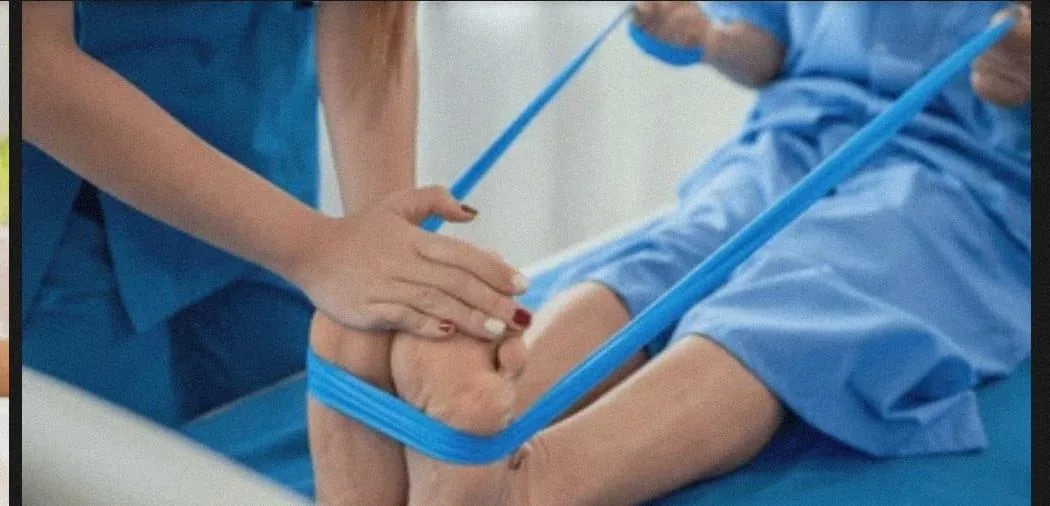
    Targeted resistance training utilizing calibrated elastic bands, free weights, and bodyweight levers
    Core and pelvic stabilization routines targeting transversus abdominis, multifidus, and gluteals
    Neuromuscular re-education drills to re-establish proper motor unit firing patterns
    Progressive functional task conditioning simulating work, sporting, and home physical demands
    Expected Recovery Timeline

    Noticeable gains in flexibility and muscular activation occur within 2 to 3 weeks. Measurable structural muscle hypertrophy, improved tendon tensile strength, and lasting postural endurance develop across 6 to 10 weeks of progressive exercise.

    Home Care & Ergonomics

    • Perform your prescribed exercise sets consistently at the recommended times each day
    • Focus on slow, controlled eccentric and concentric phases rather than rushing repetitions
    • Never push through sharp, stabbing joint pain; mild muscular fatigue and warmth are expected
    • Stay well-hydrated and consume adequate protein to fuel muscular recovery and cellular repair

    When to Consult Dr. Hamid

    Visit Dr. Hamid if you experience recurring aches whenever you exercise, struggle with chronic stiffness, are recovering from an injury, or want a personalized medical exercise plan to rebuild strength safely.

    Frequently Asked Questions

    Patient Questions & Answers

    Clear clinical answers by Dr. Mohammed Hamid Ali to help you make informed decisions about your rehabilitation.