Manikonda & Puppalguda Clinic โ€ข Home Physiotherapy Visits

    Whiplash Injuries Physiotherapy in Manikonda, Hyderabad

    Specialized clinical rehabilitation for cervical acceleration-deceleration (CAD) injuries, neck sprains, and post-accident cervicogenic headaches in Manikonda.

    Dr. Hamid, BPT, MPT (8+ Yrs)
    Evidence-Based Care
    Home Physiotherapy Visits

    ๐Ÿ“ Opp: HDFC Bank ATM, near Friends Colony Park, Puppalguda, Manikonda. Same-day appointments available.

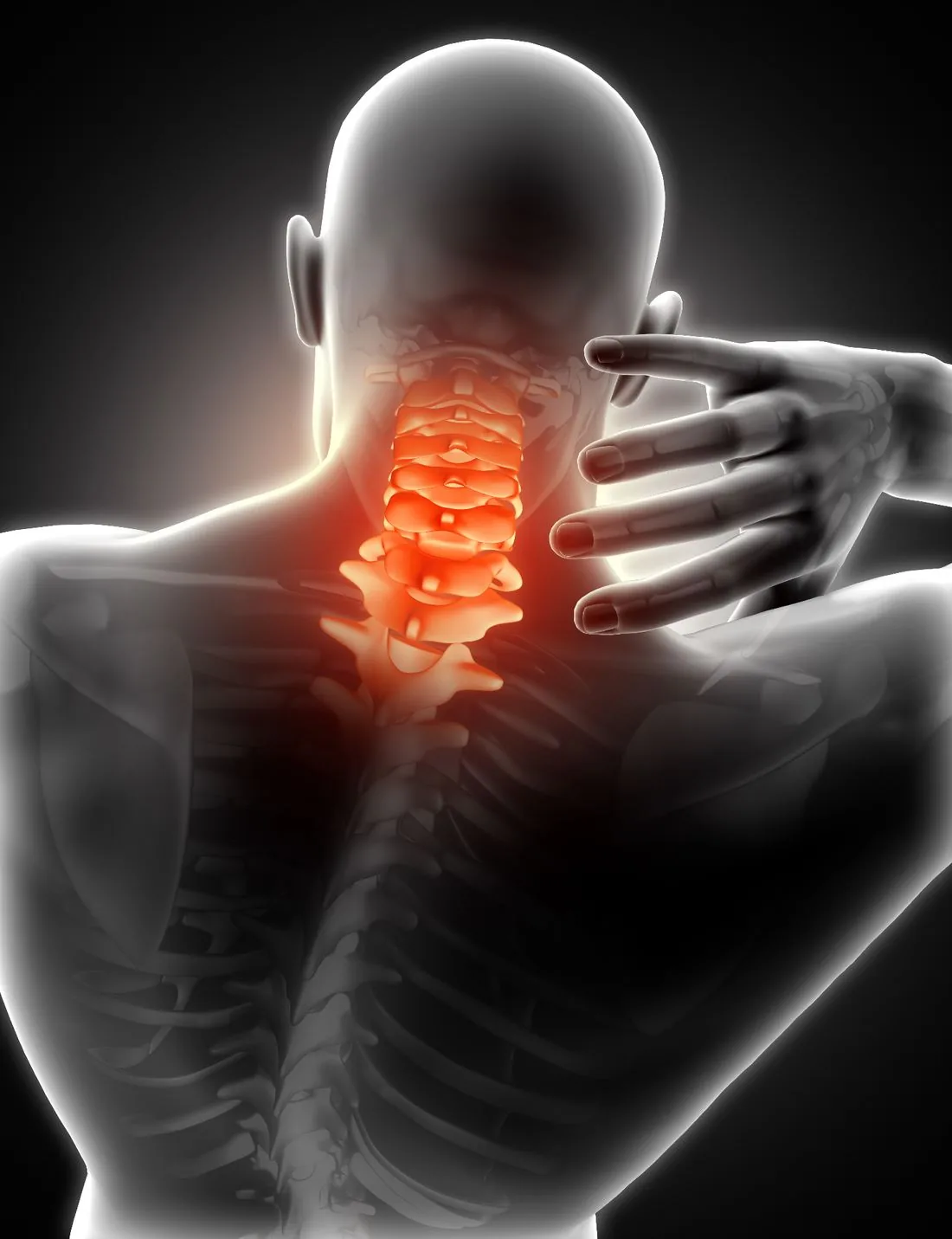
    Whiplash neck injury physiotherapy and cervical rehabilitation in Manikonda
    Sports, Post-Op & GeneralVerified Clinical Protocol

    1-on-1 personalized sessions by Dr. Mohammed Hamid Ali, BPT, MPT (Orthopedics). Complete assessment and progressive milestone recovery.

    Clinical Overview & Definition

    What is Whiplash Injuries Physiotherapy?

    A whiplash injury (clinically termed Cervical Acceleration-Deceleration or CAD syndrome) is a traumatic injury to the cervical spine caused by rapid, violent forward-and-backward whipping motion of the head. Most frequently sustained during rear-end automobile collisions, bike skids, sporting impacts, or severe slips, whiplash strains cervical muscles, sprains anterior and posterior spinal ligaments, irritates facet joints, and can compress exiting cervical nerve roots. At Dr. Hamid's Physio and Pain Clinic in Manikonda, whiplash physiotherapy delivers gentle, evidence-based physical care that prevents acute post-accident neck trauma from becoming debilitating chronic pain.

    How Targeted Physiotherapy Restores Function

    Clinical guidelines strictly advise against prolonged hard cervical collar use, which causes cervical muscle atrophy and delays recovery. Active physiotherapy is the gold standard for whiplash recovery. Dr. Mohammed Hamid Ali (BPT) uses gentle pain-relieving modalities to calm muscular guarding, followed by early gentle active cervical range of motion, craniocervical flexor retraining (deep neck flexors), and cervical proprioception drills. This restores natural neck mechanics and eliminates post-accident tension headaches.

    Common Causes

    Primary mechanical, postural, and physiological factors observed in our Manikonda clinic:

    • Rear-end or side-impact motor vehicle collisions causing sudden acceleration-deceleration of the head
    • Two-wheeler skids and sudden braking forcing the rider's neck through violent hyper-flexion and extension
    • High-impact contact sports collisions (football, rugby, martial arts) or rollercoaster sudden jolts
    • Severe slips and falls landing on back or buttocks, transmitting shock forces up into the cervical spine
    • Secondary muscular guarding and sympathetic nervous system distress following acute vehicular trauma

    Frequent Symptoms

    Signs and functional limitations indicating need for physical therapy:

    • Neck pain and marked stiffness developing within 6 to 48 hours following the impact accident
    • Inability to turn the head to look over shoulders while driving or crossing streets
    • Suboccipital headaches starting at the base of the skull and radiating forward over the forehead
    • Tenderness and rock-hard muscular spasms across the trapezius, levator scapulae, and rhomboids
    • Shoulder and upper back aching, often accompanied by mild dizziness, jaw pain (TMJ), or arm tingling
    Step-by-Step Clinical Assessment

    Our Diagnostic Evaluation in Manikonda

    Before applying any treatment, Dr. Mohammed Hamid Ali, BPT, MPT (Orthopedics) conducts a comprehensive 45-minute clinical evaluation to pinpoint the exact musculoskeletal root cause.

    1
    Thorough screening using the Canadian C-Spine Rule to verify absence of cervical fractures or instability
    2
    Quebec Task Force classification of Whiplash-Associated Disorders (WAD Grade I, II, or III)
    3
    Gentle active cervical range of motion goniometry in all planes (flexion, extension, rotation, side bending)
    4
    Assessment of deep cervical flexor endurance (Craniocervical Flexion Test using biofeedback principles)
    5
    Palpation of cervical facet joints, suboccipital musculature, and neural tension screening for upper limbs
    Multimodal Treatment Protocol

    Evidence-Based Treatment Approach

    We integrate hands-on manual mobilizations, targeted electro-physical modalities, and progressive active exercise therapy:

    Gentle electrotherapy (IFT/TENS) and moist heat packs to ease intense cervical paraspinal spasms
    Gentle Grade I-II manual cervical mobilizations to restore hypomobile facet joint glide painlessly
    Myofascial trigger point release and gentle suboccipital decompression to extinguish cervicogenic headaches
    Craniocervical deep neck flexor retraining (chin tucks) to restore essential spinal postural stability
    Postural re-education, scapular stabilization, and gentle return to normal driving and desk work
    Expected Recovery Timeline

    WAD Grade I and II whiplash injuries typically improve significantly within 3 to 6 weeks of early, active physiotherapy. Complex cases with radiating nerve irritation or high stress take 8 to 12 weeks of comprehensive guided rehabilitation.

    Home Care & Ergonomics

    • Avoid wearing a hard neck collar for more than 24-48 hours; gentle active movement accelerates healing
    • Apply moist warmth or a warm neck wrap for 15 minutes before performing prescribed gentle chin tucks
    • Adjust your car headrest so the middle of the headrest is level with the top of your ears
    • Take frequent micro-breaks during computer work to avoid holding your neck in forward poking postures

    When to Consult Dr. Hamid

    Consult Dr. Hamid within 48 to 72 hours of an accident. Seek emergency hospital care first if you experienced loss of consciousness, memory gaps, progressive arm weakness, or difficulty swallowing.

    Frequently Asked Questions

    Patient Questions & Answers

    Clear clinical answers by Dr. Mohammed Hamid Ali to help you make informed decisions about your rehabilitation.