Manikonda & Puppalguda Clinic โ€ข Home Physiotherapy Visits

    Knee Rehabilitation in Manikonda, Hyderabad

    Complete, protocol-driven knee recovery covering post-total knee replacement (TKR), complex ligament trauma, and return to active lifestyle.

    Dr. Hamid, BPT, MPT (8+ Yrs)
    Evidence-Based Care
    Home Physiotherapy Visits

    ๐Ÿ“ Opp: HDFC Bank ATM, near Friends Colony Park, Puppalguda, Manikonda. Same-day appointments available.

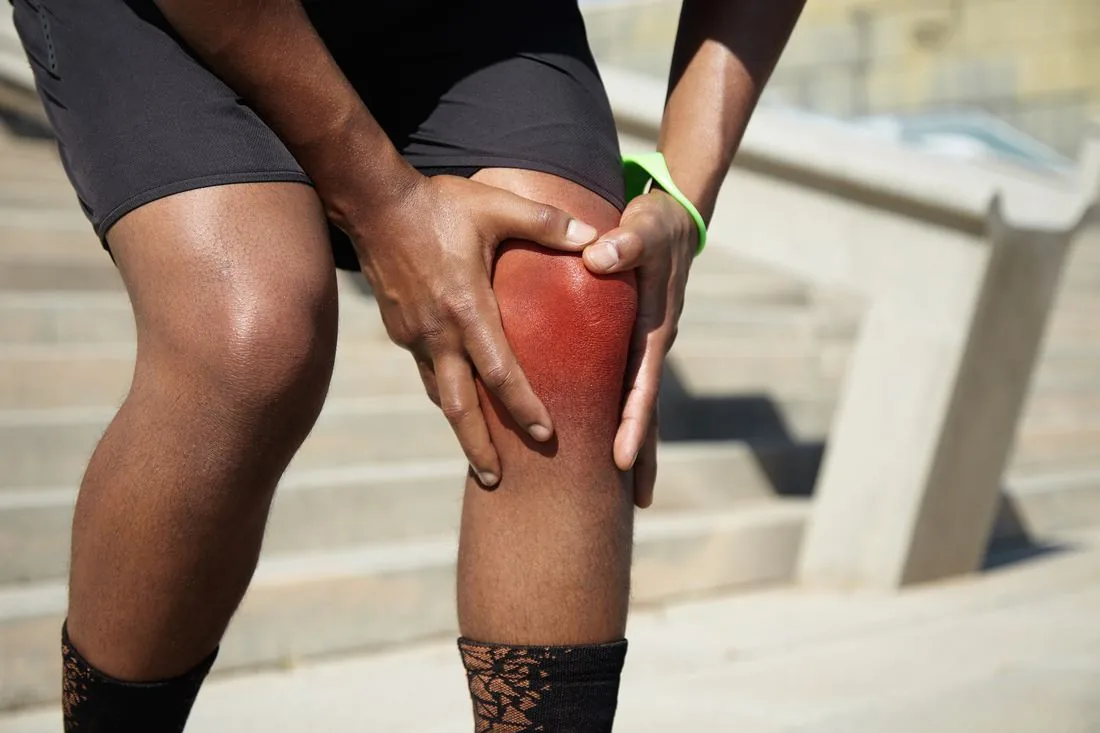
    Comprehensive knee rehabilitation and post-surgical recovery in Manikonda clinic
    KneeVerified Clinical Protocol

    1-on-1 personalized sessions by Dr. Mohammed Hamid Ali, BPT, MPT (Orthopedics). Complete assessment and progressive milestone recovery.

    Clinical Overview & Definition

    What is Knee Rehabilitation?

    Knee Rehabilitation is a comprehensive, multidisciplinary physiotherapy program designed to restore full joint range of motion, muscle strength, dynamic stability, and functional mobility following major knee surgery or severe joint trauma. Whether recovering from a Total Knee Replacement (TKR), Partial Knee Replacement (PKR), knee arthroscopy, or multi-ligament reconstruction, recovery requires structured progression through distinct clinical phases. At Dr. Hamid's Physio and Pain Clinic in Manikonda, Hyderabad, Dr. Mohammed Hamid Ali (BPT) provides hands-on, protocol-compliant knee rehabilitation that ensures you achieve maximum knee flexion, confident stair climbing, and independent pain-free walking.

    How Targeted Physiotherapy Restores Function

    Our structured knee rehabilitation program focuses on restoring 0 to 120+ degrees of functional range of motion, activating inhibited quadriceps muscles through neuromuscular stimulation and biofeedback, clearing residual swelling, and retraining symmetrical gait mechanics. Dr. Mohammed Hamid Ali (BPT) works closely with your orthopedic surgeon's discharge protocol to guide you safely from early bedside mobility to complete community independence.

    Common Causes

    Primary mechanical, postural, and physiological factors observed in our Manikonda clinic:

    • Total Knee Replacement (TKR) or Unicompartmental Knee Arthroplasty (UKA) for end-stage arthritis
    • Reconstructive surgery for multi-ligament knee injuries (ACL, PCL, MCL, LCL)
    • High tibial osteotomy (HTO) or patellar realignment procedures
    • Post-fracture stiffness following patellar, femoral condyle, or tibial plateau fixation
    • Severe knee deconditioning and muscle atrophy following prolonged immobilization

    Frequent Symptoms

    Signs and functional limitations indicating need for physical therapy:

    • Significant post-surgical joint stiffness and inability to bend past 90 degrees
    • Severe quadriceps inhibition ('quad lag') where the patient cannot lift the leg straight off the bed
    • Persistent post-operative knee joint effusion and lower leg swelling
    • Difficulty walking without crutches, a walker, or a marked compensatory limp
    • Apprehension, stiffness, and fear of falling during weight-bearing activities
    Step-by-Step Clinical Assessment

    Our Diagnostic Evaluation in Manikonda

    Before applying any treatment, Dr. Mohammed Hamid Ali, BPT, MPT (Orthopedics) conducts a comprehensive 45-minute clinical evaluation to pinpoint the exact musculoskeletal root cause.

    1
    Goniometric measurement of knee active and passive flexion and extension range of motion
    2
    Evaluation of active extension lag (inability of quadriceps to fully lock the knee straight)
    3
    Circumferential measurement of joint effusion and calf edema
    4
    Surgical incision and scar tissue mobility assessment
    5
    Gait analysis evaluating step length, weight transference, and assistive device dependence
    Multimodal Treatment Protocol

    Evidence-Based Treatment Approach

    We integrate hands-on manual mobilizations, targeted electro-physical modalities, and progressive active exercise therapy:

    Phase 1: Early full extension achievement, patellar mobilization, and active-assisted heel slides
    Phase 2: Progressive knee flexion to 90-110 degrees, stationary cycling, and walker weaning
    Phase 3: Closed kinetic chain strengthening (mini-squats, step-ups, leg press) and balance training
    Phase 4: Stair climbing mechanics, uneven surface walking, and outdoor community mobility
    Phase 5: Advanced endurance training, return-to-work, and independent home maintenance routine
    Expected Recovery Timeline

    Total Knee Replacement patients typically achieve independent walking with a single cane by week 3 to 4, and complete functional independence with 110-120 degrees of flexion by week 8 to 12.

    Home Care & Ergonomics

    • Perform hourly ankle pumps and quad sets to maintain circulation and prevent blood clots
    • Elevate your operated leg with pillows under the calf and ankle โ€” never directly under the knee
    • Use ice packs for 15-20 minutes every 2-3 hours to control post-exercise inflammation
    • Practice prescribed heel slides daily, holding comfortable stretch at the end-range
    • Use your walker or cane exactly as demonstrated until formally cleared by Dr. Hamid

    When to Consult Dr. Hamid

    Begin post-surgery knee rehabilitation as soon as discharged from the hospital (typically day 3 to 5 post-op). Home visits can be arranged across Manikonda and Puppalguda.

    Frequently Asked Questions

    Patient Questions & Answers

    Clear clinical answers by Dr. Mohammed Hamid Ali to help you make informed decisions about your rehabilitation.