Manikonda & Puppalguda Clinic โ€ข Home Physiotherapy Visits

    Meniscus Injury Physiotherapy in Manikonda, Hyderabad

    Specialized clinical rehabilitation for medial and lateral meniscus tears, knee locking, joint line tenderness, and post-meniscectomy recovery.

    Dr. Hamid, BPT, MPT (8+ Yrs)
    Evidence-Based Care
    Home Physiotherapy Visits

    ๐Ÿ“ Opp: HDFC Bank ATM, near Friends Colony Park, Puppalguda, Manikonda. Same-day appointments available.

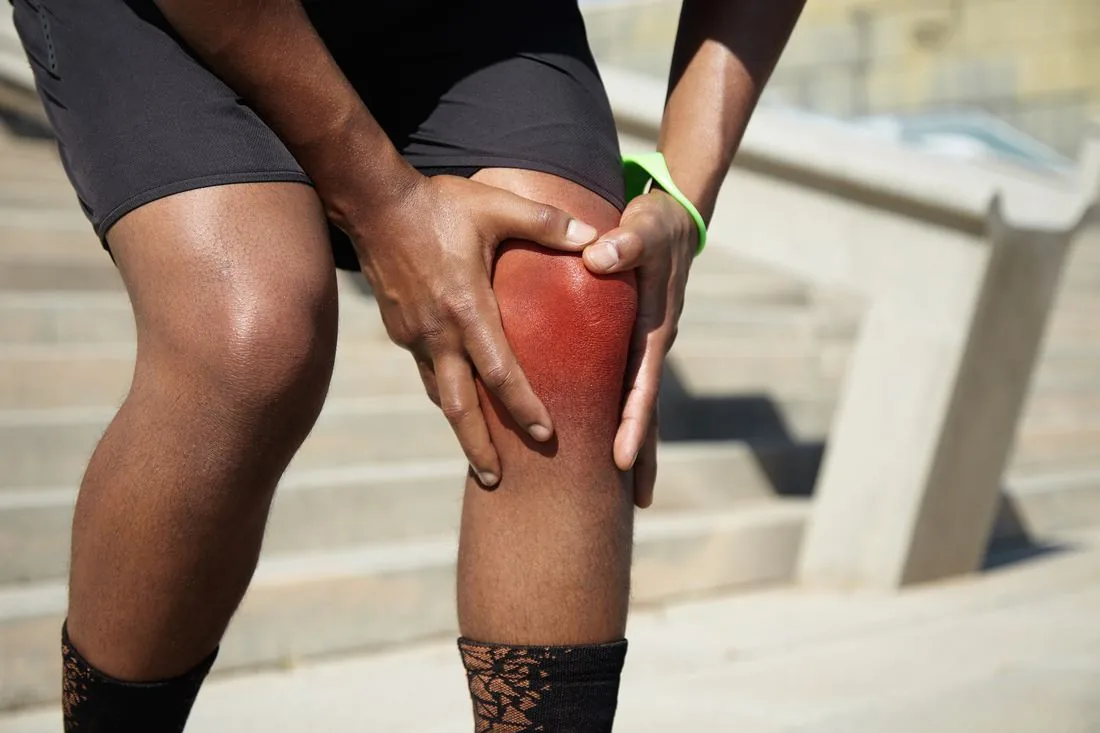
    Meniscus injury physiotherapy and meniscus tear recovery in Manikonda
    KneeVerified Clinical Protocol

    1-on-1 personalized sessions by Dr. Mohammed Hamid Ali, BPT, MPT (Orthopedics). Complete assessment and progressive milestone recovery.

    Clinical Overview & Definition

    What is Meniscus Injury Physiotherapy?

    The medial and lateral menisci are crescent-shaped fibrocartilaginous pads situated between the femoral condyles and tibial plateau. They act as essential shock absorbers, distribute 50% to 70% of joint loads, and enhance knee stability. Meniscus tears can occur traumatically in young athletes during twisting while weight-bearing, or degeneratively in middle-aged and older adults due to gradual tissue wear. At Dr. Hamid's Physio and Pain Clinic in Manikonda, Hyderabad, we provide evidence-based conservative rehabilitation that resolves swelling, eliminates mechanical irritation, and helps patients return to active living without unnecessary surgery.

    How Targeted Physiotherapy Restores Function

    Clinical trials published in prestigious medical journals (such as the New England Journal of Medicine) show that structured physiotherapy produces functional outcomes equal to or superior to arthroscopic partial meniscectomy for degenerative meniscus tears. Dr. Mohammed Hamid Ali (BPT) focuses on reducing joint effusion, restoring terminal extension, unloading the joint line through vastus medialis strengthening, and improving hip-knee stability.

    Common Causes

    Primary mechanical, postural, and physiological factors observed in our Manikonda clinic:

    • Forceful twisting or pivoting on a planted foot during sports or sudden turns
    • Deep squatting or heavy lifting from the floor compressing the posterior meniscal horn
    • Age-related degenerative thinning and cleavage tears in adults over 45
    • Repetitive impact loading in sports or fitness activities on hard concrete surfaces
    • Associated trauma alongside anterior cruciate ligament (ACL) injuries

    Frequent Symptoms

    Signs and functional limitations indicating need for physical therapy:

    • Sharp pain precisely along the inner (medial) or outer (lateral) knee joint line
    • Intermittent locking, catching, or clicking that temporarily prevents full knee straightening
    • Delayed swelling and joint effusion appearing 24 to 48 hours after the twisting injury
    • Difficulty squatting, sitting cross-legged on the floor, or twisting the knee
    • Feeling of knee instability or weakness when stepping on uneven ground
    Step-by-Step Clinical Assessment

    Our Diagnostic Evaluation in Manikonda

    Before applying any treatment, Dr. Mohammed Hamid Ali, BPT, MPT (Orthopedics) conducts a comprehensive 45-minute clinical evaluation to pinpoint the exact musculoskeletal root cause.

    1
    McMurray's test with joint line palpation to detect meniscal clicks and pain
    2
    Apley's compression and distraction test to differentiate ligament vs meniscal pathology
    3
    Thessaly test performed at 20 degrees of knee flexion under rotational load
    4
    Careful joint effusion grading (wipe test/stroke test)
    5
    Evaluation of knee flexion and extension end-feels and mechanical blocks
    Multimodal Treatment Protocol

    Evidence-Based Treatment Approach

    We integrate hands-on manual mobilizations, targeted electro-physical modalities, and progressive active exercise therapy:

    Effusion management using compression and gentle active-assisted range of motion
    Joint line unweighting through patellofemoral and tibiofemoral mobilizations
    Progressive resistance training for quadriceps, hamstrings, and calf muscles
    Neuromuscular proprioceptive training on wobble boards and balance pads
    Gradual functional progression into jogging, squatting, and sports drills
    Expected Recovery Timeline

    Conservative meniscus rehabilitation typically yields significant pain reduction and functional return within 6 to 8 weeks. Post-operative meniscal repairs follow protected weight-bearing protocols over 12 to 16 weeks.

    Home Care & Ergonomics

    • Avoid deep squats and sitting cross-legged on the floor during the initial recovery phase
    • Perform straight leg raises and gentle knee bends within a pain-free range daily
    • Apply ice packs for 15 minutes after physical activities to prevent delayed joint swelling
    • Wear supportive athletic shoes rather than thin, unsupportive sandals
    • Keep the knee elevated when resting to facilitate lymphatic fluid resorption

    When to Consult Dr. Hamid

    Schedule an assessment if you experience localized joint line pain, persistent swelling, or catching sensations during knee movement. Seek immediate care if the knee is locked and cannot be straightened.

    Frequently Asked Questions

    Patient Questions & Answers

    Clear clinical answers by Dr. Mohammed Hamid Ali to help you make informed decisions about your rehabilitation.