
Manikonda & Puppalguda Clinic โ€ข Home Physiotherapy Visits

    Patellar Tracking Disorder Physiotherapy in Manikonda, Hyderabad

    Specialized clinical rehabilitation for abnormal kneecap tracking, patellar malalignment, and anterior knee dysfunction.

    Dr. Hamid, BPT, MPT (8+ Yrs)
    Evidence-Based Care
    Home Physiotherapy Visits

    ๐Ÿ“ Opp: HDFC Bank ATM, near Friends Colony Park, Puppalguda, Manikonda. Same-day appointments available.

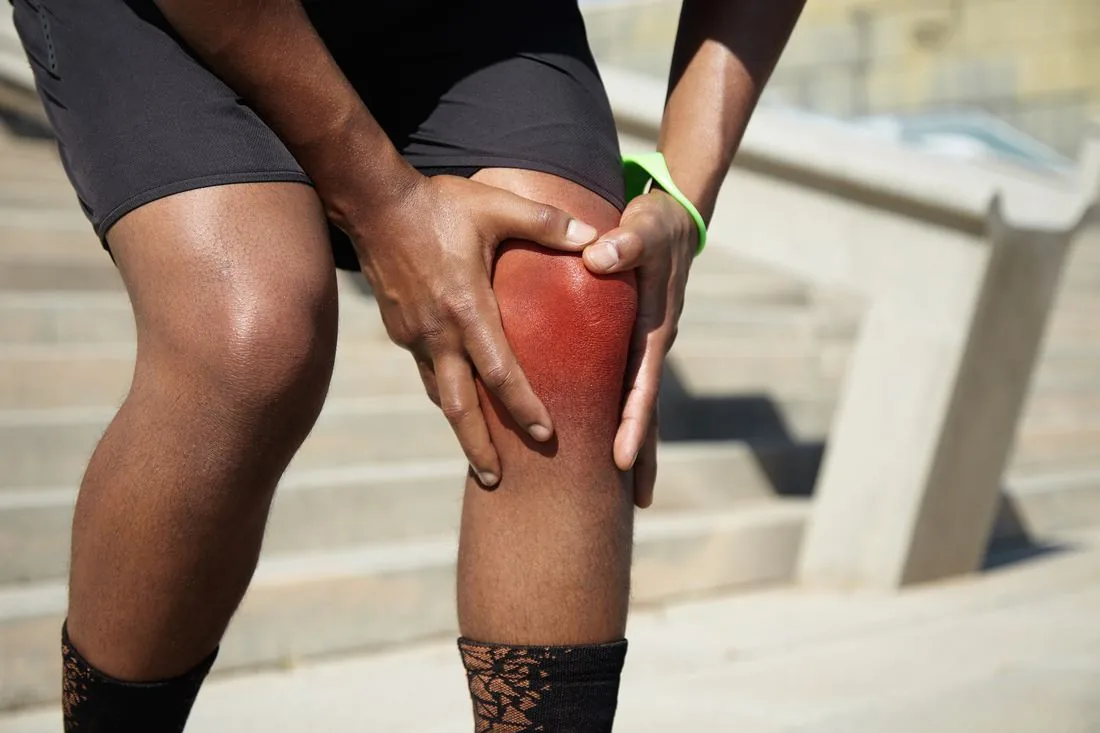
    Patellar tracking disorder physiotherapy and kneecap alignment treatment in Manikonda clinic
    KneeVerified Clinical Protocol

    1-on-1 personalized sessions by Dr. Mohammed Hamid Ali, BPT, MPT (Orthopedics). Complete assessment and progressive milestone recovery.

    Clinical Overview & Definition

    What is Patellar Tracking Disorder Physiotherapy?

    Patellar tracking disorder occurs when the kneecap (patella) does not move smoothly within its groove on the thigh bone (femoral trochlea) during knee bending and straightening. Instead of tracking centrally, the patella may shift laterally, tilt, or rotate abnormally, causing uneven pressure on the cartilage, pain, and potential joint damage over time. This condition commonly affects young active adults, women with wider pelvises, and individuals with muscle imbalances around the knee. At Dr. Hamid's Physio and Pain Clinic in Manikonda, Hyderabad, we provide specialized assessment and targeted rehabilitation to correct patellar mechanics and restore pain-free knee function.

    How Targeted Physiotherapy Restores Function

    Patellar tracking correction requires a comprehensive approach addressing the entire lower limb kinetic chain. Dr. Mohammed Hamid Ali, BPT, MPT (Orthopedics) combines patellar mobilization techniques to release tight lateral structures, targeted VMO strengthening to improve medial pull, hip stability training, and biomechanical correction. Patellar taping provides immediate symptom relief while the underlying muscle imbalances are corrected through progressive exercise.

    Common Causes

    Primary mechanical, postural, and physiological factors observed in our Manikonda clinic:

    • Weakness in the vastus medialis obliquus (VMO) failing to counteract lateral pull
    • Tightness in the lateral retinaculum, ITB, or vastus lateralis pulling the patella outward
    • Structural factors including high Q-angle (common in women), shallow trochlear groove, or patella alta
    • Hip abductor weakness causing dynamic knee valgus and internal tibial rotation
    • Poor foot mechanics with overpronation increasing tibial internal rotation

    Frequent Symptoms

    Signs and functional limitations indicating need for physical therapy:

    • Pain in the front of the knee, particularly when climbing stairs, squatting, or standing from sitting
    • Sensation of the kneecap catching, grinding, or popping during knee movement
    • Feeling that the kneecap is unstable, slipping, or may dislocate
    • Pain when sitting with bent knees for prolonged periods
    • Visible lateral shifting of the patella when extending the knee
    Step-by-Step Clinical Assessment

    Our Diagnostic Evaluation in Manikonda

    Before applying any treatment, Dr. Mohammed Hamid Ali, BPT, MPT (Orthopedics) conducts a comprehensive 45-minute clinical evaluation to pinpoint the exact musculoskeletal root cause.

    1
    Patellar tracking observation during active knee extension in sitting and standing
    2
    Patellar glide, tilt, and rotation mobility assessment
    3
    Q-angle measurement and lower limb alignment analysis
    4
    VMO activation timing testing and comparison with vastus lateralis
    5
    Single-leg squat analysis for dynamic knee valgus and hip control
    Multimodal Treatment Protocol

    Evidence-Based Treatment Approach

    We integrate hands-on manual mobilizations, targeted electro-physical modalities, and progressive active exercise therapy:

    Patellar mobilization to release tight lateral retinaculum and improve medial glide
    McConnell patellar taping to correct tracking and provide immediate pain relief
    Isolated VMO strengthening exercises (inner range quads, terminal knee extension)
    Hip abductor and external rotator strengthening to control femoral rotation
    ITB and lateral structure stretching with foam rolling and specific stretches
    Expected Recovery Timeline

    Most patients experience noticeable improvement in tracking and pain reduction within 3 to 5 weeks. Long-term correction and full return to activities typically requires 6 to 10 weeks of consistent exercise.

    Home Care & Ergonomics

    • Perform VMO activation exercises (straight leg raises with foot externally rotated) 3 times daily
    • Apply ice for 15 minutes after activities that provoke knee pain
    • Avoid deep squats and lunges until tracking is corrected and pain-free
    • Use patellar taping as taught by Dr. Hamid during aggravating activities
    • Stretch the ITB and hip flexors daily to reduce lateral tension on the patella

    When to Consult Dr. Hamid

    Seek assessment if you experience persistent front-of-knee pain, grinding sensations, or feelings of kneecap instability. Early treatment prevents cartilage damage and progression to arthritis.

    Frequently Asked Questions

    Patient Questions & Answers

    Clear clinical answers by Dr. Mohammed Hamid Ali to help you make informed decisions about your rehabilitation.