Manikonda & Puppalguda Clinic • Home Physiotherapy Visits

    Runner's Knee Physiotherapy in Manikonda, Hyderabad

    Specialized clinical rehabilitation for patellofemoral pain syndrome, anterior knee pain, and running-related knee injuries.

    Dr. Hamid, BPT, MPT (8+ Yrs)
    Evidence-Based Care
    Home Physiotherapy Visits

    📍 Opp: HDFC Bank ATM, near Friends Colony Park, Puppalguda, Manikonda. Same-day appointments available.

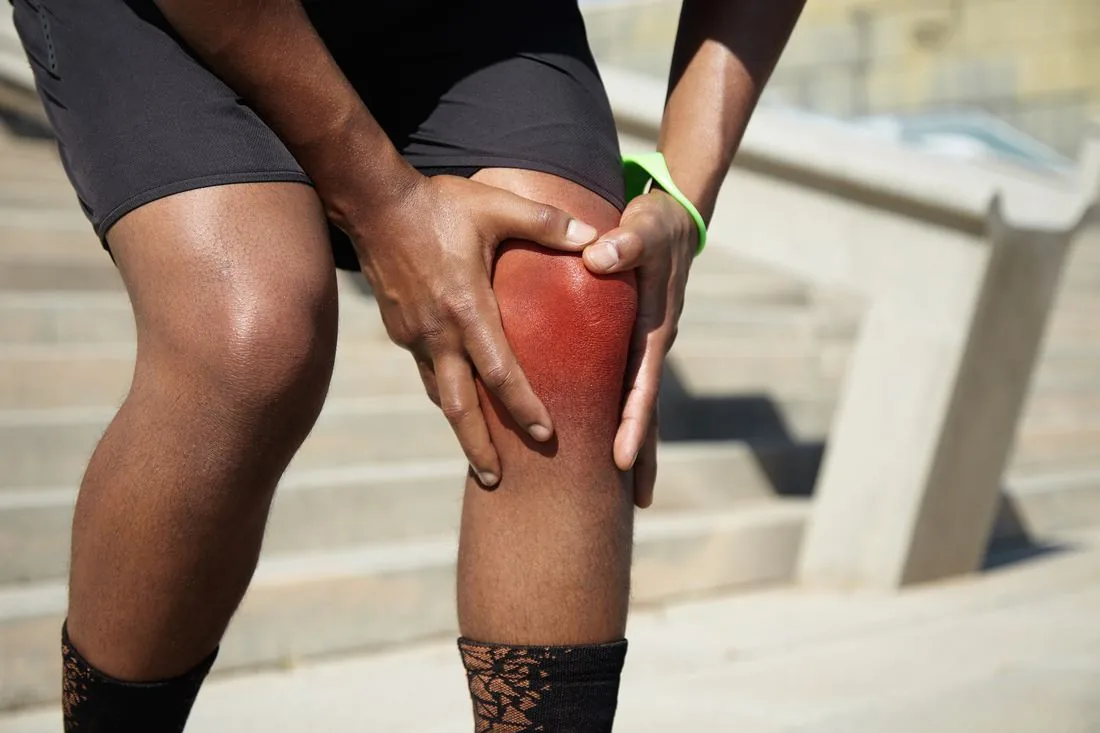
    Runner's knee physiotherapy and patellofemoral pain treatment in Manikonda clinic
    KneeVerified Clinical Protocol

    1-on-1 personalized sessions by Dr. Mohammed Hamid Ali, BPT, MPT (Orthopedics). Complete assessment and progressive milestone recovery.

    Clinical Overview & Definition

    What is Runner's Knee Physiotherapy?

    Runner's knee, medically known as patellofemoral pain syndrome (PFPS), is one of the most common overuse injuries affecting runners, joggers, cyclists, and fitness enthusiasts. The condition involves pain around or behind the kneecap (patella), particularly during activities that load the knee in flexion—such as running, squatting, climbing stairs, or sitting with bent knees for extended periods. The pain arises from abnormal tracking of the patella within the femoral groove, causing irritation to the cartilage and surrounding soft tissues. At Dr. Hamid's Physio and Pain Clinic in Manikonda, Hyderabad, we provide comprehensive gait analysis, biomechanical correction, and progressive rehabilitation to restore pain-free running.

    How Targeted Physiotherapy Restores Function

    Runner's knee responds excellently to targeted physiotherapy addressing the underlying biomechanical causes. Dr. Mohammed Hamid Ali, BPT, MPT (Orthopedics) performs comprehensive kinetic chain assessment from the hip to the foot, identifying and correcting muscle imbalances, flexibility deficits, and movement pattern faults. Treatment includes patellar taping for immediate pain relief, hip strengthening to control knee alignment, and progressive running re-education to restore pain-free training.

    Common Causes

    Primary mechanical, postural, and physiological factors observed in our Manikonda clinic:

    • Weakness in the vastus medialis obliquus (VMO) allowing lateral patellar tracking
    • Hip abductor and external rotator weakness causing dynamic knee valgus during running
    • Tight iliotibial band (ITB), hamstrings, or hip flexors increasing lateral patellar forces
    • Training errors including rapid increases in mileage, hill running, or hard surface training
    • Poor foot biomechanics such as overpronation causing excessive tibial internal rotation
    • Improper running shoes or worn-out footwear lacking adequate support

    Frequent Symptoms

    Signs and functional limitations indicating need for physical therapy:

    • Gradual onset of pain around or behind the kneecap during or after running
    • Pain when climbing or descending stairs, particularly going downhill
    • Discomfort when sitting with knees bent for prolonged periods (movie theater sign)
    • Crepitus or grinding sensation when bending and straightening the knee
    • Mild swelling around the kneecap and tenderness along the patellar edges
    Step-by-Step Clinical Assessment

    Our Diagnostic Evaluation in Manikonda

    Before applying any treatment, Dr. Mohammed Hamid Ali, BPT, MPT (Orthopedics) conducts a comprehensive 45-minute clinical evaluation to pinpoint the exact musculoskeletal root cause.

    1
    Running gait analysis to identify biomechanical faults, cadence, and foot strike pattern
    2
    Single-leg squat and step-down test to evaluate dynamic knee valgus and hip control
    3
    Patellar tracking, glide, and tilt assessment in weight-bearing and non-weight-bearing positions
    4
    Flexibility testing of ITB, hamstrings, hip flexors, and gastrocnemius
    5
    Hip abductor and external rotator strength testing comparing both sides
    Multimodal Treatment Protocol

    Evidence-Based Treatment Approach

    We integrate hands-on manual mobilizations, targeted electro-physical modalities, and progressive active exercise therapy:

    Patellar McConnell taping to improve tracking and provide immediate pain relief
    Targeted hip strengthening (gluteus medius, maximus, and external rotators)
    VMO-specific strengthening exercises to balance patellar tracking forces
    ITB, hamstring, and hip flexor stretching and foam rolling program
    Running form correction, cadence optimization, and gradual return-to-run program
    Expected Recovery Timeline

    Most runners experience significant pain reduction within 2 to 4 weeks of starting rehabilitation. Full return to pain-free running at previous distances typically occurs within 6 to 10 weeks with consistent exercise compliance.

    Home Care & Ergonomics

    • Reduce running mileage by 50% and avoid hills during the acute pain phase
    • Apply ice packs for 15 minutes after runs to control inflammation
    • Perform prescribed hip strengthening exercises daily
    • Consider a temporary switch to cycling or swimming to maintain fitness
    • Replace running shoes every 500-600 kilometers or when cushioning feels flat

    When to Consult Dr. Hamid

    Consult Dr. Hamid if knee pain has persisted for more than a week despite rest, prevents you from running your normal distance, or recurs whenever you increase your training volume.

    Frequently Asked Questions

    Patient Questions & Answers

    Clear clinical answers by Dr. Mohammed Hamid Ali to help you make informed decisions about your rehabilitation.