
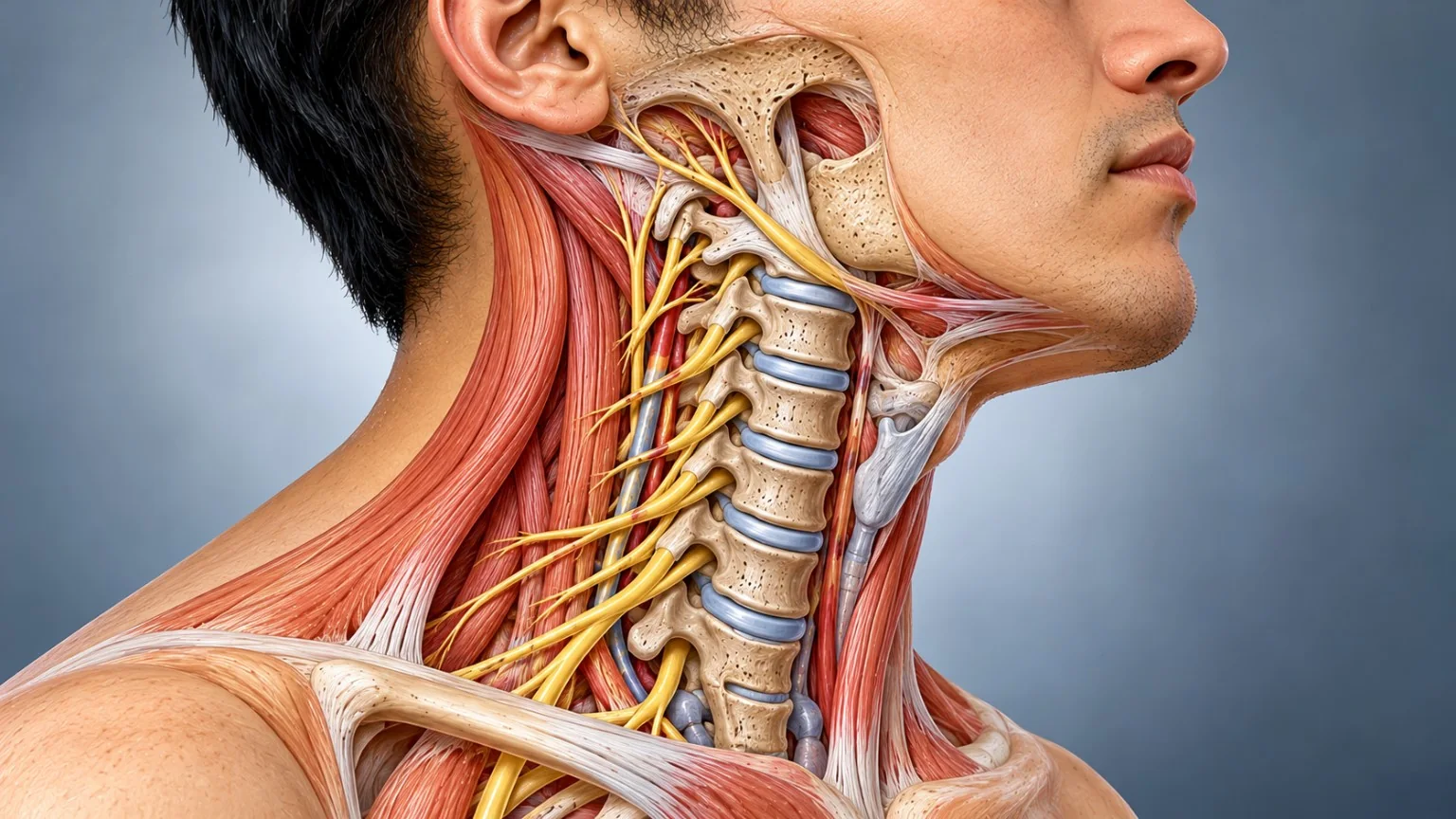
Having neck pain? Physiotherapy can help improve movement, manage symptoms and restore function. Sometimes, you may need both physiotherapy and specialist care.
Wondering whether to consult an orthopaedician or visit a physiotherapist first? A proper assessment of your symptoms, neck movement, strength and functional limitations can help determine the most appropriate course of care.
For many people with uncomplicated neck pain, physiotherapy assessment and rehabilitation can be an important part of recovery. If your symptoms indicate that further medical investigation or specialist care is needed, the appropriate next step can be identified.
The goal is to understand your condition, receive the right care and work towards returning to your everyday activities with a plan tailored to your needs.
Dr Hamid's Physio and Pain Clinic
Physiotherapy and Pain Management | Manikonda, Hyderabad
Experiencing neck pain? Contact the clinic to enquire about a physiotherapy consultation.
What Is the Difference Between an Orthopaedician and a Physiotherapist?
An orthopaedician assesses musculoskeletal conditions, including injuries and certain spine problems that may require medical or specialist management. A physiotherapist assesses movement and function and helps people manage suitable conditions through rehabilitation.
When Can Physiotherapy Help With Neck Pain?
A physiotherapy assessment may be appropriate when neck pain affects turning your head, desk work, sleep or everyday activities and no urgent warning signs are present. Depending on the assessment, physiotherapy may include individualised exercises, movement guidance, strengthening and other appropriate interventions.
Neck pain should not automatically be attributed to poor posture or muscle tightness. Several conditions can cause similar symptoms.
What If Neck Pain Travels Into Your Shoulder or Arm?
Pain travelling from the neck into the shoulder, arm or hand can have several causes, including possible cervical nerve involvement. Other shoulder or peripheral nerve conditions can produce similar symptoms. Tingling, numbness, changes in grip strength or weakness deserve clinical assessment. New or progressive weakness requires prompt medical evaluation.
Can a Cervical Disc Problem Cause Neck Pain?
Yes, cervical disc problems can contribute to neck pain and sometimes arm symptoms. However, not every episode of neck pain is caused by a disc problem, and imaging findings may occur in people without symptoms.
Depending on the presentation, physiotherapy may form part of non-surgical management. Some conditions require further investigation or specialist care. Physiotherapy cannot guarantee that a disc will return to a particular position or that surgery will never be needed.
What About Neck Pain From Prolonged Screen Use?
Long periods in one position may contribute to discomfort for some people, but posture alone does not explain every case of neck pain. Changing position regularly, taking movement breaks, adjusting your workstation for comfort and seeking assessment when symptoms persist may help.
Do You Need an X-Ray or MRI Before Physiotherapy?
Not necessarily. Imaging is not routinely required for every episode of uncomplicated neck pain. Whether it is appropriate depends on symptoms, examination findings and clinical concerns. Bring relevant existing reports to your appointment; imaging should be interpreted alongside symptoms and assessment.
When Should You Seek Medical Assessment?
Medical assessment is important for neck pain following significant injury, severe or progressively worsening symptoms, new or progressive weakness, significant neurological changes, new balance or walking problems, or symptoms accompanied by fever or feeling seriously unwell.
Seek emergency care for serious injury or acute warning signs. Do not wait for a routine physiotherapy appointment when emergency symptoms are present.
Can Physiotherapy and Specialist Care Work Together?
Yes. Physiotherapy may complement specialist investigation and medical management. Following surgery, rehabilitation can help restore movement and function when coordinated with the treating team.
What Can Physiotherapy for Neck Pain Involve?
When appropriate, physiotherapy may include movement and functional assessment, individualised exercises, advice on daily activities, selected manual therapy as part of a broader plan, and progress monitoring. High-velocity neck manipulation is not suitable for everyone. Treatment choices should account for clinical findings, possible risks and alternatives.
Physiotherapy for Neck Pain in Manikonda, Hyderabad
At Dr Hamid's Physio and Pain Clinic, patients can enquire about physiotherapy assessment for neck pain and related movement difficulties. Recommendations should follow an appropriate clinical evaluation, with referral when symptoms suggest further medical care is needed.
Contact the Clinic
Enquire about appointment availability.
Frequently Asked Questions
Should I consult an orthopaedician or physiotherapist for neck pain?
For many uncomplicated cases, a physiotherapy assessment can be a practical starting point. Specialist assessment may be appropriate when symptoms suggest an injury or a condition requiring investigation. Some people benefit from both.
Can physiotherapy help neck pain?
Yes, physiotherapy can help suitable patients manage symptoms and improve function. The approach depends on the cause and assessment findings.
Can neck pain cause arm pain?
Some cervical spine conditions can cause pain travelling into the shoulder or arm, but other conditions can produce similar symptoms.
Do I need an MRI before seeing a physiotherapist?
Not necessarily. Imaging is not routinely required for every uncomplicated case of neck pain.
Can a cervical disc problem improve without surgery?
Some people improve with appropriate non-surgical management, which may include physiotherapy. The approach depends on symptoms and neurological findings.
Is neck pain always caused by poor posture?
No. Neck pain has several possible causes, and posture alone cannot explain every case.
Is neck manipulation necessary?
No. It is not necessary for everyone and may not be appropriate for some people. Discuss benefits, risks and alternatives with a qualified clinician.
When should I worry about neck pain?
Seek prompt assessment for progressive weakness, significant numbness, balance or walking problems, or worsening symptoms. Serious injury or acute warning signs may require emergency care.
Can physiotherapy and orthopaedic care happen together?
Yes. Physiotherapy may complement specialist assessment, medical management or post-operative rehabilitation.
How can I enquire about a consultation in Manikonda?
Use the Call or WhatsApp buttons above to ask about appointment availability. Seek emergency care instead of waiting for a routine appointment if you have emergency warning signs.
About the Author
Dr. Mohammed Hamid Ali, BPT, MPT (Orthopedics) Professional Registration No.: 0413
References and Further Reading
- American Physical Therapy Association / Academy of Orthopaedic Physical Therapy. Neck pain clinical practice guideline resources.
- NHS. Neck pain and stiff neck.
- American College of Radiology. ACR Appropriateness Criteria.
- NICE. Suspected neurological conditions.
- National Institute of Neurological Disorders and Stroke. Health information.
- Mayo Clinic. Neck pain.
- Cochrane. Cochrane Library.
- WHO. Rehabilitation.
- World Physiotherapy. India member profile.
- National Library of Medicine. PubMed.
- Cleveland Clinic. Cervical radiculopathy.
- NICE. Guidance.
Medical Disclaimer
This article is for general education and does not replace individual clinical assessment or medical advice. Neck pain can have several causes. Seek prompt medical assessment for significant or progressive neurological symptoms, and emergency care for serious injury or acute warning signs.
Related clinic services
Read about neck pain physiotherapy, cervical spondylosis physiotherapy, and cervical radiculopathy physiotherapy.