Manikonda & Puppalguda Clinic • Home Physiotherapy Visits

    Electrical Muscle Stimulation (EMS / NMES) in Manikonda, Hyderabad

    Targeted neuromuscular electrical stimulation to overcome arthrogenic muscle inhibition, reverse disuse atrophy, and re-educate dormant motor units.

    Dr. Hamid, BPT, MPT (8+ Yrs)
    Evidence-Based Care
    Home Physiotherapy Visits

    📍 Opp: HDFC Bank ATM, near Friends Colony Park, Puppalguda, Manikonda. Same-day appointments available.

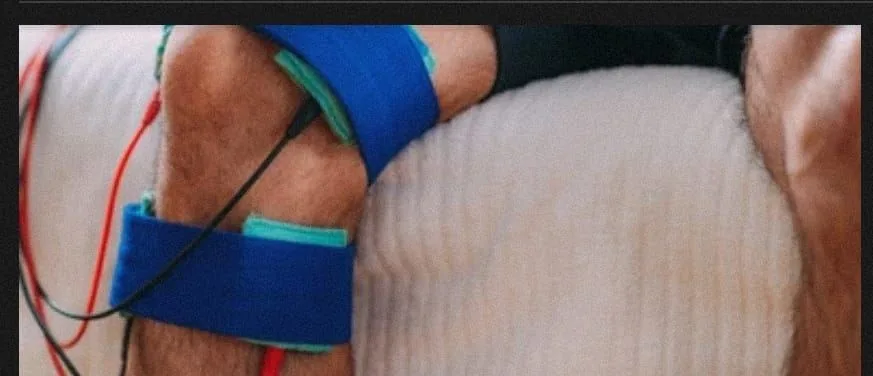
    Electrical muscle stimulation EMS neuromuscular rehabilitation in Manikonda clinic
    Supporting ModalitiesVerified Clinical Protocol

    1-on-1 personalized sessions by Dr. Mohammed Hamid Ali, BPT, MPT (Orthopedics). Complete assessment and progressive milestone recovery.

    Clinical Overview & Definition

    What is Electrical Muscle Stimulation (EMS)?

    Electrical Muscle Stimulation (EMS)—also known as Neuromuscular Electrical Stimulation (NMES) or Faradic/Galvanic Stimulation—is the therapeutic application of electrical impulses directly to motor nerves or muscle motor points to elicit involuntary, physiological muscular contractions. While TENS targets sensory nerves for pain relief, EMS specifically targets motor nerves to contract and strengthen muscles. Following surgery (such as knee replacement or ACL reconstruction), severe injury, prolonged cast immobilization, or nerve damage (such as Bell's palsy or foot drop), the brain's ability to recruit motor units is impaired by arthrogenic muscle inhibition. At Dr. Hamid's Physio and Pain Clinic in Manikonda, EMS bridges this neurological gap, re-educating muscles and preventing wasting.

    How Targeted Physiotherapy Restores Function

    EMS bypasses voluntary neural pathways by sending electrical impulses directly through the motor point into the neuromuscular junction, forcing involuntary muscle contraction. This stimulates muscle protein synthesis, increases local blood supply, and re-establishes neuromuscular feedback loops. Dr. Mohammed Hamid Ali (BPT) pairs EMS contractions with voluntary patient effort (active-assisted biofeedback), rapidly breaking through arthrogenic inhibition and restoring voluntary motor control.

    Common Causes

    Primary mechanical, postural, and physiological factors observed in our Manikonda clinic:

    • Post-operative quadriceps shutdown following knee arthroscopy, ACL repair, or total knee replacement
    • Severe disuse muscle atrophy following prolonged plaster cast or splint immobilization
    • Peripheral nerve injuries causing denervation or paresis (Bell's palsy, radial nerve palsy, peroneal nerve palsy)
    • Neurological muscle weakness following stroke, traumatic brain injury, or spinal cord trauma
    • Severe rotator cuff or shoulder girdle inhibition after shoulder dislocation or surgery
    • Pelvic floor muscle weakness associated with post-partum urinary stress incontinence

    Frequent Symptoms

    Signs and functional limitations indicating need for physical therapy:

    • Complete inability to actively contract a muscle (e.g. unable to lift your leg straight after knee surgery)
    • Visible muscle thinning, hollowing, and flaccidity compared to the healthy opposite limb
    • Inability to clear the toes while walking (foot drop) or difficulty closing an eye (facial palsy)
    • Rapid onset of muscle trembling and failure during basic low-load movements
    • Slow, delayed neurological recovery after cast removal or surgical trauma
    Step-by-Step Clinical Assessment

    Our Diagnostic Evaluation in Manikonda

    Before applying any treatment, Dr. Mohammed Hamid Ali, BPT, MPT (Orthopedics) conducts a comprehensive 45-minute clinical evaluation to pinpoint the exact musculoskeletal root cause.

    1
    Accurate palpatory mapping to pinpoint the anatomical motor point of the inhibited muscle belly
    2
    Determination of muscle innervation status (innervated muscles use faradic/surged EMS; denervated muscles use interrupted galvanic current)
    3
    Assessment of baseline Voluntary Motor Power using the Medical Research Council (MRC) scale (Grade 0 to 5)
    4
    Customization of stimulation duty cycles (e.g. 10 seconds contraction on, 30 seconds rest to avoid fatigue)
    5
    Integration protocol development linking electrical stimulation with active patient contraction
    Multimodal Treatment Protocol

    Evidence-Based Treatment Approach

    We integrate hands-on manual mobilizations, targeted electro-physical modalities, and progressive active exercise therapy:

    Electrode placement directly over the motor point and proximal muscle origin
    Ramping electrical current intensity until a visible, strong, yet comfortable muscle contraction is achieved
    Coached biofeedback: instructing the patient to actively squeeze the muscle simultaneously with the electrical pulse
    Progressive duty cycles consisting of 15 to 25 contractions per muscle group per session
    Gradual transition from passive electrical stimulation to unassisted active resistance exercises
    Expected Recovery Timeline

    Initial voluntary muscle reactivation (e.g. first voluntary straight leg raise or facial twitch) is often achieved within 3 to 7 sessions. Measurable gains in muscle bulk and strength develop over 4 to 8 weeks of consistent therapy.

    Home Care & Ergonomics

    • Attempt voluntary contractions throughout the day, visualizing the muscle moving as it did during EMS
    • Consume adequate dietary protein within 1 hour after EMS sessions to support muscle protein synthesis
    • Keep the stimulated limb warm; cold muscles have higher electrical resistance and sluggish contractions
    • Adhere strictly to your prescribed home exercise schedule between clinical stimulation appointments

    When to Consult Dr. Hamid

    Consult Dr. Hamid if you cannot lift your leg after knee surgery, have severe muscle wasting after cast removal, or are suffering from facial weakness (Bell's palsy) or nerve drop.

    Frequently Asked Questions

    Patient Questions & Answers

    Clear clinical answers by Dr. Mohammed Hamid Ali to help you make informed decisions about your rehabilitation.