Manikonda & Puppalguda Clinic โ€ข Home Physiotherapy Visits

    Therapeutic Ultrasound Therapy in Manikonda, Hyderabad

    High-frequency acoustic soundwave therapy stimulating deep tissue cellular repair, collagen synthesis, and rapid reduction of chronic inflammation.

    Dr. Hamid, BPT, MPT (8+ Yrs)
    Evidence-Based Care
    Home Physiotherapy Visits

    ๐Ÿ“ Opp: HDFC Bank ATM, near Friends Colony Park, Puppalguda, Manikonda. Same-day appointments available.

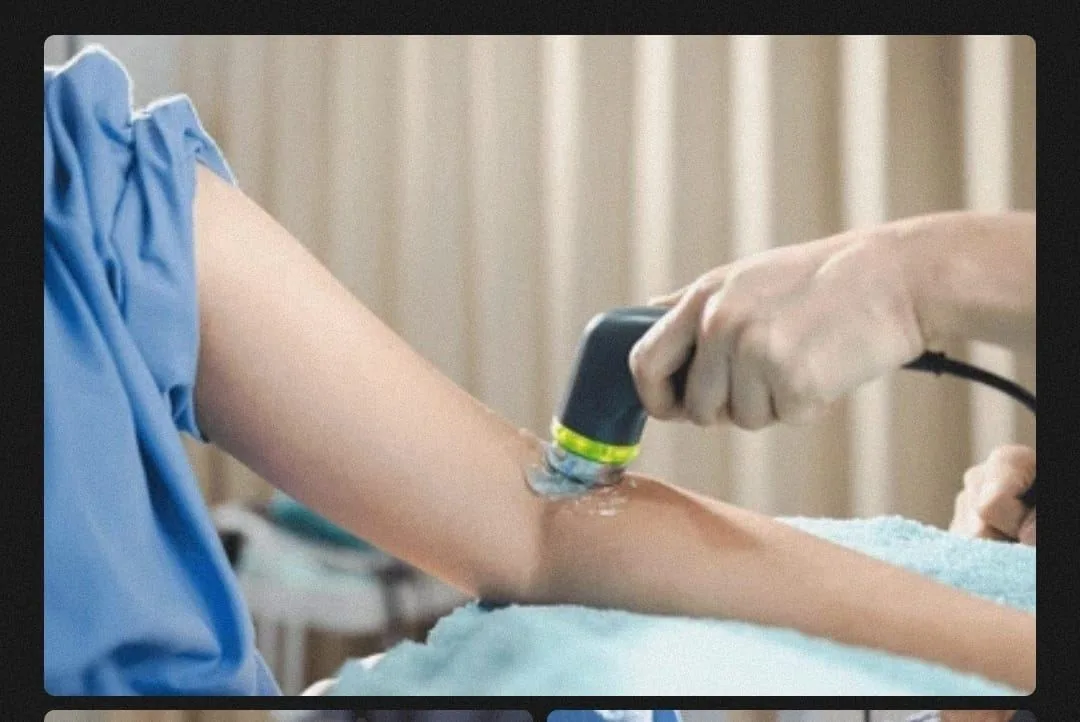
    Therapeutic ultrasound therapy treatment session in Manikonda clinic
    Supporting ModalitiesVerified Clinical Protocol

    1-on-1 personalized sessions by Dr. Mohammed Hamid Ali, BPT, MPT (Orthopedics). Complete assessment and progressive milestone recovery.

    Clinical Overview & Definition

    What is Therapeutic Ultrasound?

    Therapeutic ultrasound is an established electro-physical modality that applies high-frequency sound waves (typically 1 MHz for deep tissues or 3 MHz for superficial structures) to injured biological tissues. Unlike diagnostic ultrasound used for imaging, therapeutic ultrasound transmits micro-vibrational acoustic energy deep into muscles, tendons, ligaments, and joint capsules. This produces both thermal effects (deep tissue warming, vasodilation, pain reduction) and non-thermal acoustic cavitation and microstreaming (accelerating cell membrane permeability, fibroblast proliferation, and cellular healing). At Dr. Hamid's Physio and Pain Clinic in Manikonda, ultrasound is expertly paired with active physical rehabilitation to supercharge tissue repair.

    How Targeted Physiotherapy Restores Function

    While topical balms and superficial heating pads only penetrate a few millimeters of skin, therapeutic ultrasound penetrates up to 3 to 5 centimeters into dense connective tissues. Dr. Mohammed Hamid Ali (BPT) applies an acoustic coupling gel and glides the soundhead in precise circular motions over the injured site. The acoustic micro-vibrations stimulate cell membrane metabolism, accelerate the synthesis of high-tensile Type I collagen, and break down fibrotic adhesions, preparing stiff tissues for painless manual stretching and strengthening.

    Common Causes

    Primary mechanical, postural, and physiological factors observed in our Manikonda clinic:

    • Acute and chronic tendinopathies (Achilles tendonitis, patellar tendinopathy, rotator cuff irritation)
    • Ligament sprains and post-traumatic joint capsule thickening (ankle sprains, wrist injuries)
    • Dense fibrous post-surgical or post-injury scar tissue adhesions restricting joint range
    • Plantar fasciitis and calcaneal heel spur irritation
    • Deep chronic muscle spasm knots and myofascial trigger point inflammation
    • Bursitis (subacromial bursitis, trochanteric hip bursitis)

    Frequent Symptoms

    Signs and functional limitations indicating need for physical therapy:

    • Focal, deep-seated tendon tenderness that fails to heal with simple rest
    • Dense, puckered surgical scar tissue that feels tight, painful, or restricts stretching
    • Sharp morning heel pain or Achilles tendon stiffness upon rising
    • Persistent swelling and localized inflammatory fluid accumulation following a joint sprain
    • Chronic ache in joints where superficial heat packs cannot penetrate deeply enough
    Step-by-Step Clinical Assessment

    Our Diagnostic Evaluation in Manikonda

    Before applying any treatment, Dr. Mohammed Hamid Ali, BPT, MPT (Orthopedics) conducts a comprehensive 45-minute clinical evaluation to pinpoint the exact musculoskeletal root cause.

    1
    Clinical palpation to identify the exact depth, margin, and chronicity of injured tissue
    2
    Selection of optimal soundwave frequency (1 MHz for deep muscles/tendons; 3 MHz for superficial joints)
    3
    Duty cycle calibration (continuous mode for deep thermal heating; pulsed mode for acute inflammation)
    4
    Evaluation of patient sensory feedback and exclusion of contraindications (metal implants, fractures)
    5
    Baseline range-of-motion and pain scale documentation to track immediate post-session improvements
    Multimodal Treatment Protocol

    Evidence-Based Treatment Approach

    We integrate hands-on manual mobilizations, targeted electro-physical modalities, and progressive active exercise therapy:

    Application of hypoallergenic conductive gel directly over the target treatment area
    Continuous gentle circular motion of the ultrasound transducer head for 5 to 10 minutes
    Pulsed mode settings used for acute sprains to stimulate cellular repair without creating tissue heat
    Continuous mode settings applied for chronic joint contractures to soften tight collagen fibers
    Immediate follow-up with targeted manual joint mobilization and active stretching while tissue is warm
    Expected Recovery Timeline

    Patients often feel reduced localized tenderness within 2 to 4 sessions. Chronic tendon issues or tough surgical scars typically achieve significant remodeling over 6 to 8 sessions when combined with active exercises.

    Home Care & Ergonomics

    • Drink a glass of water after ultrasound treatment to support cellular metabolic flushing
    • Perform your prescribed gentle range of motion stretches within 2 to 3 hours after treatment
    • Avoid applying direct ice immediately after continuous thermal ultrasound sessions
    • Keep a log of tendon stiffness changes during your morning routine to share with Dr. Hamid

    When to Consult Dr. Hamid

    Therapeutic ultrasound is ideal if you suffer from stubborn tendon pain (Achilles, tennis elbow, shoulder), thick surgical scars, or heel pain that has not responded to oral pain relievers.

    Frequently Asked Questions

    Patient Questions & Answers

    Clear clinical answers by Dr. Mohammed Hamid Ali to help you make informed decisions about your rehabilitation.