
Manikonda & Puppalguda Clinic โ€ข Home Physiotherapy Visits

    Interferential Therapy (IFT) in Manikonda, Hyderabad

    Advanced medium-frequency electrotherapy delivering deep, comfortable electrical stimulation to relieve pain, eliminate muscle spasm, and reduce inflammation.

    Dr. Hamid, BPT, MPT (8+ Yrs)
    Evidence-Based Care
    Home Physiotherapy Visits

    ๐Ÿ“ Opp: HDFC Bank ATM, near Friends Colony Park, Puppalguda, Manikonda. Same-day appointments available.

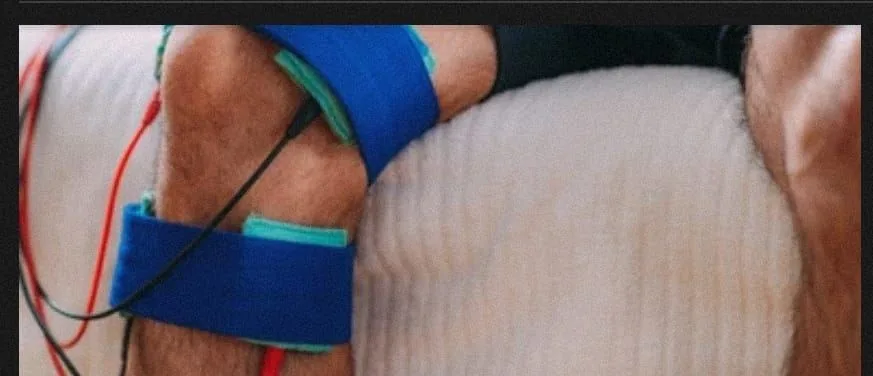
    Interferential therapy IFT electrotherapy treatment in Manikonda clinic
    Supporting ModalitiesVerified Clinical Protocol

    1-on-1 personalized sessions by Dr. Mohammed Hamid Ali, BPT, MPT (Orthopedics). Complete assessment and progressive milestone recovery.

    Clinical Overview & Definition

    What is Interferential Therapy (IFT)?

    Interferential Therapy (IFT) is one of the most effective and widely respected electrotherapy modalities in modern physiotherapy. It utilizes two medium-frequency electrical currents (usually around 4000 Hz) that intersect deep within painful anatomical tissues. Where these currents cross, they interfere with one another, generating a low-frequency therapeutic beat frequency (typically 1 to 150 Hz). Because skin impedance is naturally low at medium frequencies, IFT bypasses cutaneous nerve sensitivity painlessly, delivering deep therapeutic stimulation without the burning or stinging sensation of older low-frequency machines. At Dr. Hamid's Physio and Pain Clinic in Manikonda, IFT provides rapid, deep-seated pain relief and reduces swelling.

    How Targeted Physiotherapy Restores Function

    IFT operates on two primary physiological mechanisms: the Pain Gate Theory and the release of endogenous opioids (endorphins). By flooding sensory nerve pathways with gentle beat frequencies, IFT blocks pain signals from reaching the spinal cord and brain. Simultaneously, rhythmic frequencies stimulate local vasodilatation, accelerate lymphatic drainage, and coax hyper-contracted muscles into relaxation, creating a therapeutic window that allows patients to engage in active movement exercises.

    Common Causes

    Primary mechanical, postural, and physiological factors observed in our Manikonda clinic:

    • Severe acute and chronic lower back pain and lumbar disc irritation
    • Cervical radiculopathy, neck muscle spasms, and post-accident whiplash
    • Osteoarthritis of the knees, hips, and degenerative facet joint pain
    • Sciatica and radiating nerve pathway inflammation
    • Post-surgical joint effusion, swelling, and persistent hematomas
    • Myofascial trigger points and persistent trapezius/rhomboid muscle tightness

    Frequent Symptoms

    Signs and functional limitations indicating need for physical therapy:

    • Deep, unrelenting spinal or joint pain that is poorly relieved by surface topical gels
    • Intense involuntary muscle guarding preventing you from sitting, bending, or sleeping
    • Radiating sciatic pain shooting down the buttock into the leg
    • Persistent post-traumatic swelling that fails to resolve with simple elevation
    • Inability to tolerate hands-on manual stretching due to acute tissue hypersensitivity
    Step-by-Step Clinical Assessment

    Our Diagnostic Evaluation in Manikonda

    Before applying any treatment, Dr. Mohammed Hamid Ali, BPT, MPT (Orthopedics) conducts a comprehensive 45-minute clinical evaluation to pinpoint the exact musculoskeletal root cause.

    1
    Identification of precise pain boundaries and depth of target spinal or peripheral structures
    2
    Electrode placement configuration (four-pole quadripolar vector sweep or two-pole bipolar mode)
    3
    Selection of therapeutic beat frequency (100โ€“150 Hz for pain relief; 10โ€“50 Hz for muscle pumping and edema)
    4
    Inspection of skin integrity and sensory testing to ensure safe current tolerance
    5
    Post-treatment pain scoring and joint range re-evaluation
    Multimodal Treatment Protocol

    Evidence-Based Treatment Approach

    We integrate hands-on manual mobilizations, targeted electro-physical modalities, and progressive active exercise therapy:

    Application of 4 comfortable suction cups or conductive gel pads configured diagonally across the pain site
    Gradual adjustment of current intensity to a pleasant, rhythmic 'pins and needles' or tingling sensation
    Utilization of vector sweep mode to ensure full volumetric coverage of deep spinal or joint spaces
    Treatment duration of 15 to 20 minutes in a comfortable, relaxed reclining position
    Immediate follow-up with active stabilization exercises while pain sensitivity is suppressed
    Expected Recovery Timeline

    Most patients experience immediate, noticeable pain relief and muscle relaxation during and right after a 20-minute IFT session. Long-term pain relief is achieved within 4 to 8 sessions when combined with active exercise therapy.

    Home Care & Ergonomics

    • Avoid immediate heavy lifting or strenuous activity during the 2-hour pain-free window after IFT
    • Perform your gentle prescribed spinal or joint mobility drills while tissues are relaxed
    • Stay well-hydrated to help your lymphatic system clear mobilized inflammatory waste
    • Note the duration of your pain relief between sessions to help Dr. Hamid fine-tune your parameters

    When to Consult Dr. Hamid

    IFT is particularly recommended if you are suffering from severe back spasms, sciatica, neck stiffness, or painful knee arthritis where pain prevents you from starting active exercise.

    Frequently Asked Questions

    Patient Questions & Answers

    Clear clinical answers by Dr. Mohammed Hamid Ali to help you make informed decisions about your rehabilitation.