Manikonda & Puppalguda Clinic • Home Physiotherapy Visits

    TENS Therapy (Transcutaneous Electrical Nerve Stimulation) in Manikonda

    Non-invasive electrical nerve stimulation designed to block pain signals, stimulate natural endorphin release, and provide immediate pain modulation.

    Dr. Hamid, BPT, MPT (8+ Yrs)
    Evidence-Based Care
    Home Physiotherapy Visits

    📍 Opp: HDFC Bank ATM, near Friends Colony Park, Puppalguda, Manikonda. Same-day appointments available.

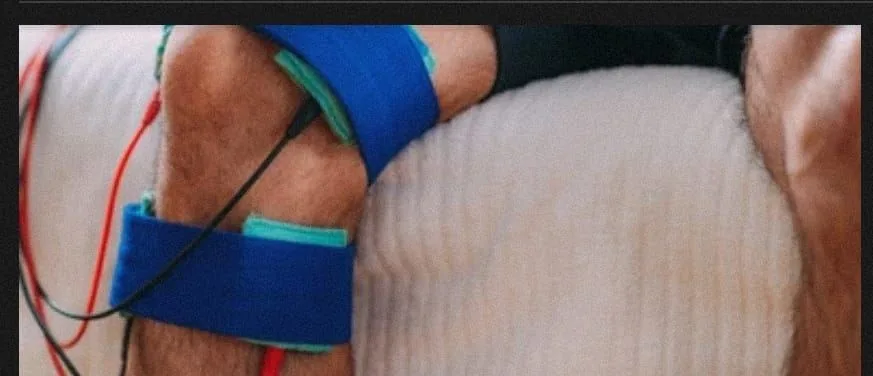
    TENS therapy electrotherapy treatment session in Manikonda clinic
    Supporting ModalitiesVerified Clinical Protocol

    1-on-1 personalized sessions by Dr. Mohammed Hamid Ali, BPT, MPT (Orthopedics). Complete assessment and progressive milestone recovery.

    Clinical Overview & Definition

    What is TENS Therapy?

    Transcutaneous Electrical Nerve Stimulation (TENS) is a clinically proven, non-invasive electro-analgesic therapy used worldwide for acute and chronic pain management. TENS units deliver small, controlled electrical pulses through adhesive skin electrode pads positioned over or adjacent to painful nerves or dermatomes. By selectively stimulating large-diameter sensory nerve fibers (A-beta fibers), TENS triggers the Gate Control Mechanism in the dorsal horn of the spinal cord, effectively closing the neurological 'gate' and preventing pain signals from traveling up to the brain. Furthermore, low-frequency acupuncture-like TENS stimulates the pituitary gland to release the body's natural opiate-like pain relievers: endorphins and enkephalins. At Dr. Hamid's clinic in Manikonda, TENS serves as a safe, drug-free pain management tool.

    How Targeted Physiotherapy Restores Function

    TENS offers an immediate, drug-free analgesic option without gastrointestinal or kidney side effects. Dr. Mohammed Hamid Ali (BPT) tailors the pulse width, frequency, and electrode montage to your specific condition—using conventional high-frequency TENS (80–120 Hz) for immediate sensory pain-gating during active movement, or low-frequency burst TENS (2–10 Hz) for prolonged systemic endorphin release that lasts hours after treatment.

    Common Causes

    Primary mechanical, postural, and physiological factors observed in our Manikonda clinic:

    • Acute post-surgical pain (following knee arthroscopy, abdominal surgery, or fracture repair)
    • Diabetic peripheral neuropathy and post-herpetic neuralgia
    • Chronic low back ache, neck tension, and myofascial pain syndrome
    • Osteoarthritis flare-ups in knees, hips, and finger joints
    • Tension-type headaches and temporomandibular joint (TMJ) discomfort
    • Dysmenorrhea (painful menstrual cramping) and pelvic floor muscle soreness

    Frequent Symptoms

    Signs and functional limitations indicating need for physical therapy:

    • Sharp, shooting, or burning pain that prevents comfortable sleep or basic daily tasks
    • Hypersensitive skin and nerve pathways that react intensely to minor contact
    • Reliance on over-the-counter NSAIDs or pain pills that cause gastric acidity or drowsiness
    • Difficulty performing early post-operative rehabilitation exercises due to surgical wound pain
    • Chronic nerve-related aches that feel resistant to standard heating pads
    Step-by-Step Clinical Assessment

    Our Diagnostic Evaluation in Manikonda

    Before applying any treatment, Dr. Mohammed Hamid Ali, BPT, MPT (Orthopedics) conducts a comprehensive 45-minute clinical evaluation to pinpoint the exact musculoskeletal root cause.

    1
    Accurate dermatomal mapping to identify the spinal nerve roots and peripheral nerve branches supplying the pain area
    2
    Selection of optimal TENS parameters (conventional sensory TENS vs motor acupuncture TENS)
    3
    Skin preparation and placement of hypoallergenic adhesive electrodes around the pain perimeter
    4
    Calibration of pulse width and amplitude based on patient sensory thresholds
    5
    Patient education on portable home TENS machine operation for safe personal pain control
    Multimodal Treatment Protocol

    Evidence-Based Treatment Approach

    We integrate hands-on manual mobilizations, targeted electro-physical modalities, and progressive active exercise therapy:

    Electrode application over specific acupuncture points, trigger points, or along dermatomal lines
    Gentle ramping of electrical amplitude until a distinct, comfortable 'prickling/buzzing' sensation is felt
    20 to 30-minute treatment session while patient rests in an ergonomic position
    Integration with gentle active range-of-motion drills during the therapeutic pain-suppression window
    Prescription and training on home TENS devices for self-managed flare-ups when indicated
    Expected Recovery Timeline

    TENS provides immediate pain reduction during the 20 to 30-minute session, with analgesia often persisting for 2 to 6 hours afterward. When used systematically alongside active physical therapy, it accelerates long-term functional recovery.

    Home Care & Ergonomics

    • Clean your skin with mild soap and water before applying TENS adhesive pads to ensure optimal conductivity
    • Never place TENS pads over your carotid sinus (front of the neck), over broken skin, or over eyes
    • Gradually increase amplitude until you feel strong but comfortable tingling; it should never feel painful
    • Store electrode pads in a sealed plastic bag in a cool place to prolong adhesive gel life

    When to Consult Dr. Hamid

    Schedule a session if you want drug-free pain relief for chronic joint aches, post-op soreness, or neuropathic pain, or if you need professional guidance on how to use a home TENS unit correctly.

    Frequently Asked Questions

    Patient Questions & Answers

    Clear clinical answers by Dr. Mohammed Hamid Ali to help you make informed decisions about your rehabilitation.