Manikonda & Puppalguda Clinic โ€ข Home Physiotherapy Visits

    Foot Drop Physiotherapy in Manikonda, Hyderabad

    Specialized clinical rehabilitation for ankle dorsiflexor paralysis, common peroneal nerve injury, steppage gait, and AFO splint management.

    Dr. Hamid, BPT, MPT (8+ Yrs)
    Evidence-Based Care
    Home Physiotherapy Visits

    ๐Ÿ“ Opp: HDFC Bank ATM, near Friends Colony Park, Puppalguda, Manikonda. Same-day appointments available.

    Foot drop physiotherapy and peroneal nerve recovery in Manikonda clinic
    Neurological & SpecialVerified Clinical Protocol

    1-on-1 personalized sessions by Dr. Mohammed Hamid Ali, BPT, MPT (Orthopedics). Complete assessment and progressive milestone recovery.

    Clinical Overview & Definition

    What is Foot Drop Physiotherapy?

    Foot drop (drop foot) is an incapacitating neuromuscular condition characterized by the inability to actively lift the front part of the foot (dorsiflexion) due to weakness or paralysis of the anterior tibialis and peroneal muscles. When walking, patients are forced to lift their knee abnormally high ('steppage gait') to prevent their toes from dragging on the ground, creating a severe tripping and fall hazard. Foot drop can result from peripheral nerve compression (common peroneal nerve palsy at the fibular head), lumbar disc herniation compressing the L4-L5 nerve root, or central neurological conditions like stroke. At Dr. Hamid's Physio and Pain Clinic in Manikonda, Hyderabad, Dr. Mohammed Hamid Ali (BPT) provides targeted neuromuscular stimulation, manual therapy, and gait training to re-activate dormant dorsiflexors.

    How Targeted Physiotherapy Restores Function

    Physiotherapy for foot drop focuses on preventing contracture of the opposing calf muscles, stimulating the paralyzed anterior tibialis muscle, and ensuring safe gait. Dr. Mohammed Hamid Ali (BPT) utilizes Electrical Muscle Stimulation (EMS/NMES) to re-educate the peroneal nerve, prescribes custom Ankle-Foot Orthoses (AFO), applies neural mobilization, and guides intensive biofeedback exercises.

    Common Causes

    Primary mechanical, postural, and physiological factors observed in our Manikonda clinic:

    • Common peroneal nerve compression at the fibular neck (from prolonged leg crossing, casts, or trauma)
    • Lumbar disc herniation or spinal stenosis at the L4-L5 level compressing the L5 nerve root
    • Post-stroke hemiplegia causing upper motor neuron weakness and foot drop
    • Complication following hip or knee replacement surgery or prolonged surgical positioning
    • Peripheral neuropathy, Charcot-Marie-Tooth disease, or diabetes-related mononeuropathy

    Frequent Symptoms

    Signs and functional limitations indicating need for physical therapy:

    • Inability to lift the toes or foot upward toward the shin (absent or weakened dorsiflexion)
    • Dragging or scuffing of the toes along the floor when walking
    • High-stepping 'steppage gait' where the hip and knee are lifted excessively high with each stride
    • Slapping of the foot onto the floor ('foot slap') with each step due to loss of eccentric control
    • Numbness or tingling over the top of the foot and outer lower leg
    Step-by-Step Clinical Assessment

    Our Diagnostic Evaluation in Manikonda

    Before applying any treatment, Dr. Mohammed Hamid Ali, BPT, MPT (Orthopedics) conducts a comprehensive 45-minute clinical evaluation to pinpoint the exact musculoskeletal root cause.

    1
    Manual Muscle Testing (MMT) of the anterior tibialis, extensor hallucis longus, and peroneals (0-5 scale)
    2
    Sensory testing over the lateral lower leg and dorsum of the foot (superficial and deep peroneal nerve)
    3
    Tinel's sign over the fibular neck to test for localized peroneal nerve entrapment
    4
    Comprehensive lumbar spine screening (L4-L5 nerve root provocation) to identify spinal causes
    5
    Gait analysis evaluating toe clearance during the swing phase and heel strike quality
    Multimodal Treatment Protocol

    Evidence-Based Treatment Approach

    We integrate hands-on manual mobilizations, targeted electro-physical modalities, and progressive active exercise therapy:

    Neuromuscular Electrical Stimulation (NMES) to evoke contractions in paralyzed dorsiflexors
    Passive stretching of the Achilles tendon and calf muscles to prevent rigid equinus contracture
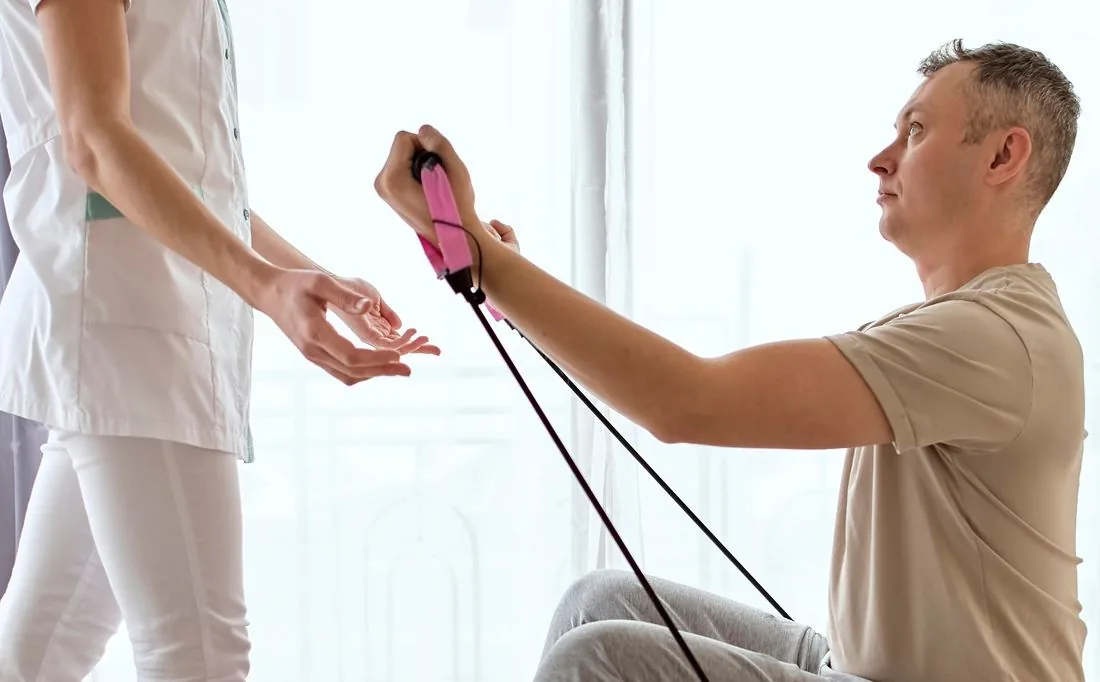
    Active-assisted and resisted dorsiflexion training using elastic bands and visual biofeedback
    Prescription and fitting of dynamic Ankle-Foot Orthoses (AFO) or foot-up splints for safe walking
    Overground functional gait retraining with obstacle clearance and balance drills
    Expected Recovery Timeline

    Peripheral nerve compression injuries often show gradual re-innervation over 2 to 6 months as the nerve regenerates (at ~1 mm per day). Central stroke-related foot drop recovery depends on overall neuroplastic rehabilitation.

    Home Care & Ergonomics

    • Wear your prescribed AFO splint whenever walking to prevent tripping and ankle roll-overs
    • Perform daily passive calf stretches for 30 seconds, 3 times daily, to prevent Achilles tightening
    • Practice tapping your foot and pulling your toes up while seated watching television
    • Ensure all loose rugs and clutter are removed from home floors to prevent falls
    • Inspect the skin on your foot and ankle daily for any friction or pressure spots from braces

    When to Consult Dr. Hamid

    Consult Dr. Hamid immediately upon noticing sudden weakness lifting your foot or dragging your toes when walking. Early electrical stimulation and splinting prevent permanent tendon shortening.

    Frequently Asked Questions

    Patient Questions & Answers

    Clear clinical answers by Dr. Mohammed Hamid Ali to help you make informed decisions about your rehabilitation.