Manikonda & Puppalguda Clinic โ€ข Home Physiotherapy Visits

    Vestibular Rehabilitation / Vertigo Physiotherapy in Manikonda, Hyderabad

    Specialized clinical canalith repositioning maneuvers and vestibular adaptation therapy for BPPV, labyrinthitis, and chronic dizziness.

    Dr. Hamid, BPT, MPT (8+ Yrs)
    Evidence-Based Care
    Home Physiotherapy Visits

    ๐Ÿ“ Opp: HDFC Bank ATM, near Friends Colony Park, Puppalguda, Manikonda. Same-day appointments available.

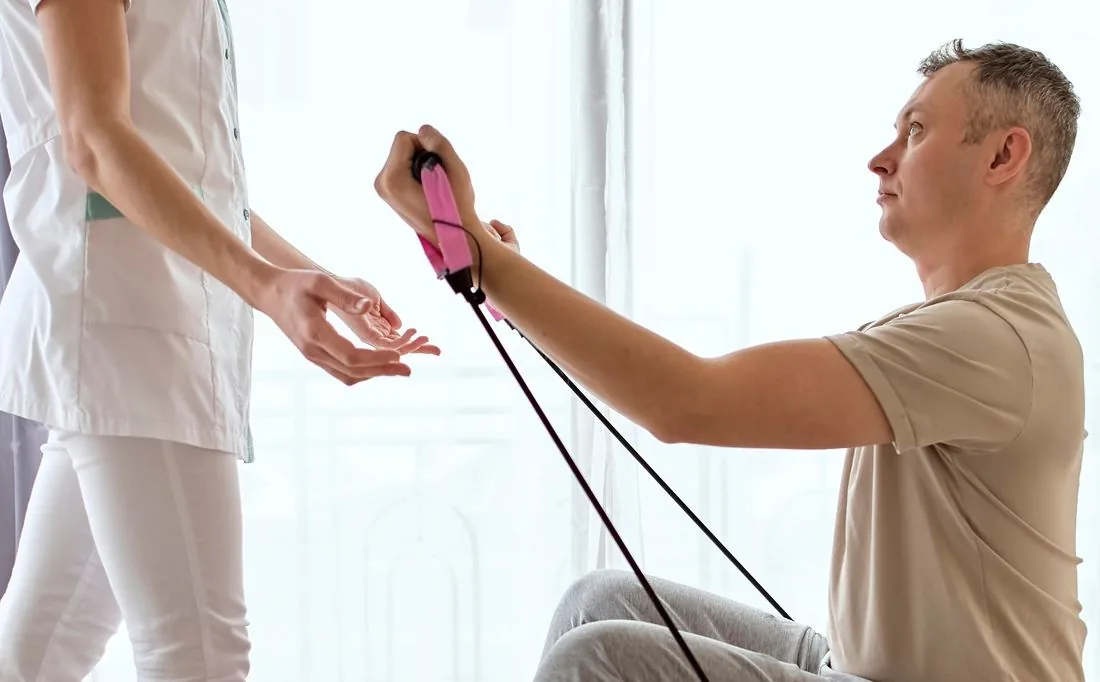
    Vestibular rehabilitation and vertigo physiotherapy treatment in Manikonda clinic
    Neurological & SpecialVerified Clinical Protocol

    1-on-1 personalized sessions by Dr. Mohammed Hamid Ali, BPT, MPT (Orthopedics). Complete assessment and progressive milestone recovery.

    Clinical Overview & Definition

    What is Vestibular Rehabilitation / Vertigo Physiotherapy?

    Vertigo and balance disorders affect millions of people, causing terrifying sensations that the room is spinning violently, nausea, lightheadedness, and profound unsteadiness. The most common cause is Benign Paroxysmal Positional Vertigo (BPPV), where microscopic calcium carbonate crystals (otoconia) detach and become displaced into one of the semicircular canals of the inner ear. At Dr. Hamid's Physio and Pain Clinic in Manikonda, Hyderabad, Dr. Mohammed Hamid Ali (BPT) provides specialized Vestibular Rehabilitation Therapy (VRT) and canalith repositioning maneuvers (such as the Epley maneuver) that frequently resolve BPPV vertigo completely in just 1 to 3 sessions.

    How Targeted Physiotherapy Restores Function

    Vestibular physiotherapy works with remarkable precision. For BPPV, Dr. Mohammed Hamid Ali (BPT) performs accurate diagnostic testing to determine which ear and canal are involved, followed immediately by gentle, evidence-based particle repositioning maneuvers (Epley, Semont, or BBQ roll) that use gravity to guide the loose crystals back to their safe home in the utricle. For chronic dizziness, vestibular adaptation and habituation exercises retrain the brain to process balance signals smoothly.

    Common Causes

    Primary mechanical, postural, and physiological factors observed in our Manikonda clinic:

    • Benign Paroxysmal Positional Vertigo (BPPV) with canalithiasis in the posterior or horizontal semicircular canal
    • Vestibular neuritis or labyrinthitis following a viral inner ear infection
    • Head trauma, whiplash, or sudden deceleration dislodging otoconia crystals
    • Age-related degeneration of inner ear vestibular hair cells and otolithic membranes
    • Cervicogenic dizziness originating from restricted upper cervical joint receptors (C1-C3)
    • Persistent Postural-Perceptual Dizziness (PPPD) and sensory mismatch syndromes

    Frequent Symptoms

    Signs and functional limitations indicating need for physical therapy:

    • Violent, sudden spinning sensation (vertigo) triggered by rolling over in bed, looking up, or bending down
    • Episodes of spinning lasting from 15 seconds to a couple of minutes accompanied by nausea
    • Persistent floating, woozy, or lightheaded sensation when walking in busy environments (supermarkets, malls)
    • Loss of balance and unsteadiness, feeling as though you are being pulled to one side
    • Difficulty focusing eyes clearly when turning your head rapidly (oscillopsia)
    Step-by-Step Clinical Assessment

    Our Diagnostic Evaluation in Manikonda

    Before applying any treatment, Dr. Mohammed Hamid Ali, BPT, MPT (Orthopedics) conducts a comprehensive 45-minute clinical evaluation to pinpoint the exact musculoskeletal root cause.

    1
    Dix-Hallpike test to assess the posterior semicircular canals and observe nystagmus
    2
    Supine Roll test to evaluate the horizontal semicircular canals
    3
    Vestibulo-Ocular Reflex (VOR) testing, including head thrust test and dynamic visual acuity
    4
    Romberg test, Sharpened Romberg, and Fukuda stepping test for postural balance
    5
    Cervical spine screening to differentiate inner ear vertigo from cervicogenic dizziness
    Multimodal Treatment Protocol

    Evidence-Based Treatment Approach

    We integrate hands-on manual mobilizations, targeted electro-physical modalities, and progressive active exercise therapy:

    Canalith Repositioning Procedures (Epley maneuver, Semont maneuver, BBQ Roll)
    Gaze stabilization exercises (VOR x1 and VOR x2 exercises) to eliminate visual blurring
    Habituation exercises (Brandt-Daroff exercises) for motion-induced sensitivity
    Dynamic balance retraining on firm and compliant foam surfaces with eyes open and closed
    Gentle upper cervical manual therapy if cervicogenic dizziness is identified
    Expected Recovery Timeline

    Over 80-90% of BPPV vertigo cases are completely resolved within 1 to 2 sessions of proper canalith repositioning. Chronic vestibular hypofunction typically recovers within 4 to 6 weeks of daily balance exercises.

    Home Care & Ergonomics

    • Follow post-maneuver positioning instructions: keep head upright for the rest of the day
    • Sleep with head slightly elevated on two pillows for the first 24-48 hours post-treatment
    • Perform prescribed gaze stabilization (VOR) exercises smoothly 2-3 times daily
    • Avoid rapid, extreme head-tilting movements immediately following repositioning
    • Ensure bathroom and bedroom walkways are well-lit at night to prevent falls

    When to Consult Dr. Hamid

    Schedule an assessment immediately if turning in bed, tilting your head up, or bending down triggers a violent spinning sensation. Seek urgent hospital emergency care if dizziness occurs with facial drooping, slurred speech, or arm weakness.

    Frequently Asked Questions

    Patient Questions & Answers

    Clear clinical answers by Dr. Mohammed Hamid Ali to help you make informed decisions about your rehabilitation.