
Manikonda & Puppalguda Clinic • Home Physiotherapy Visits

    Neurological Physiotherapy in Manikonda, Hyderabad

    Specialized clinical rehabilitation for Parkinson's disease, peripheral neuropathy, multiple sclerosis, and motor neuron conditions.

    Dr. Hamid, BPT, MPT (8+ Yrs)
    Evidence-Based Care
    Home Physiotherapy Visits

    📍 Opp: HDFC Bank ATM, near Friends Colony Park, Puppalguda, Manikonda. Same-day appointments available.

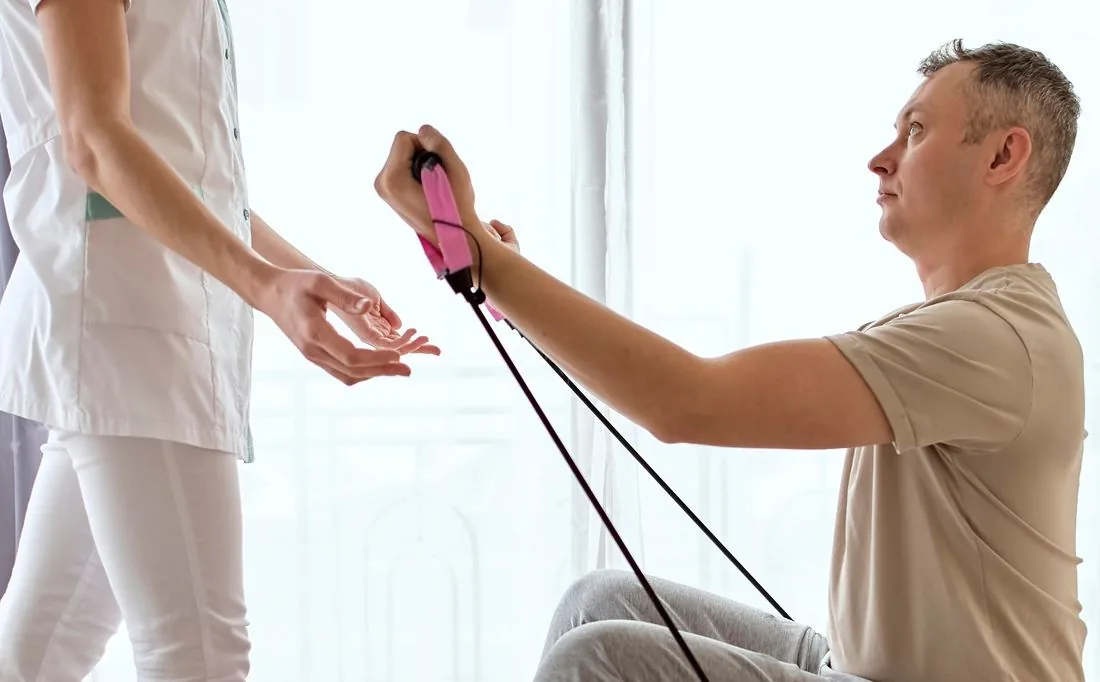
    Neurological physiotherapy and nervous system rehabilitation in Manikonda clinic
    Neurological & SpecialVerified Clinical Protocol

    1-on-1 personalized sessions by Dr. Mohammed Hamid Ali, BPT, MPT (Orthopedics). Complete assessment and progressive milestone recovery.

    Clinical Overview & Definition

    What is Neurological Physiotherapy?

    Neurological physiotherapy is a dedicated discipline focusing on assessing and treating individuals who experience movement, balance, and postural disorders arising from damage to the central or peripheral nervous system. Conditions such as Parkinson's disease, Guillain-Barré Syndrome (GBS), Multiple Sclerosis (MS), peripheral neuropathies, and traumatic brain injuries can severely compromise mobility, gait rhythm, and independence. At Dr. Hamid's Physio and Pain Clinic in Manikonda, Hyderabad, Dr. Mohammed Hamid Ali (BPT) delivers structured neuro-rehabilitation aimed at retraining motor coordination, preventing falls, and maintaining high functional capacity.

    How Targeted Physiotherapy Restores Function

    Neurological physiotherapy uses evidence-based motor learning principles and sensory cueing. For Parkinson's patients, Dr. Mohammed Hamid Ali (BPT) employs high-amplitude movement training (LSVT BIG concepts), visual floor cues, and auditory metronome pacing to overcome bradykinesia. For peripheral neuropathies, balance retraining and sensory compensatory strategies restore confident, safe walking.

    Common Causes

    Primary mechanical, postural, and physiological factors observed in our Manikonda clinic:

    • Neurodegenerative disorders such as Parkinson's disease leading to dopamine depletion and motor rigidity
    • Peripheral neuropathies (diabetic, alcoholic, or idiopathic) causing sensory ataxia and muscle weakness
    • Autoimmune demyelinating conditions including Guillain-Barré Syndrome (GBS) and Multiple Sclerosis (MS)
    • Traumatic brain injuries (TBI) and post-concussion balance and coordination syndromes
    • Spinal cord lesions, compressive myelopathies, and motor neuron disease

    Frequent Symptoms

    Signs and functional limitations indicating need for physical therapy:

    • Resting tremors, muscle rigidity ('cogwheel rigidity'), and bradykinesia (slowness of movement)
    • Festinating, shuffling gait with short steps and tendency to lean forward (propulsion)
    • Freezing of gait (FOG) when attempting to turn, start walking, or pass through doorways
    • Impaired postural reflexes leading to frequent domestic falls and unsteadiness
    • Peripheral numbness, burning, and loss of proprioceptive position sense in the feet
    Step-by-Step Clinical Assessment

    Our Diagnostic Evaluation in Manikonda

    Before applying any treatment, Dr. Mohammed Hamid Ali, BPT, MPT (Orthopedics) conducts a comprehensive 45-minute clinical evaluation to pinpoint the exact musculoskeletal root cause.

    1
    Unified Parkinson's Disease Rating Scale (UPDRS) motor examination criteria
    2
    Comprehensive sensory testing (light touch, pinprick, vibration sense, joint position sense)
    3
    Dynamic Gait Index (DGI) and Functional Reach Test evaluating balance stability
    4
    Evaluation of muscle tone, spasticity vs rigidity, and coordination (finger-to-nose, heel-to-shin)
    5
    Assessment of home safety, transfer capabilities, and assistive device requirements
    Multimodal Treatment Protocol

    Evidence-Based Treatment Approach

    We integrate hands-on manual mobilizations, targeted electro-physical modalities, and progressive active exercise therapy:

    Large-amplitude, exaggerated movement drills to counteract Parkinsonian hypokinesia
    Visual and auditory rhythmic cueing to eliminate gait freezing and normalize stride length
    Intensive balance, dual-tasking, and agility exercises to prevent falls
    Strengthening of anti-gravity postural muscles (quadriceps, gluteals, spinal extensors)
    Energy conservation techniques and adaptive equipment recommendations
    Expected Recovery Timeline

    For progressive neurological conditions, physiotherapy focuses on delaying functional decline, improving daily walking quality, and dramatically reducing fall risks through ongoing structured sessions.

    Home Care & Ergonomics

    • Practice large, deliberate steps and high knee lifts when walking at home
    • Use tape markers on the floor in doorways if gait freezing occurs
    • Perform daily seated and standing balance exercises near a sturdy table for safety
    • Ensure bathroom and corridors have bright lighting and non-skid flooring
    • Maintain a regular daily schedule for medications and physiotherapy exercises

    When to Consult Dr. Hamid

    Schedule an assessment as soon as you notice changes in your walking rhythm, frequent balance loss, progressive stiffness, or hand tremors.

    Frequently Asked Questions

    Patient Questions & Answers

    Clear clinical answers by Dr. Mohammed Hamid Ali to help you make informed decisions about your rehabilitation.