Manikonda & Puppalguda Clinic โ€ข Home Physiotherapy Visits

    Stroke Physiotherapy in Manikonda, Hyderabad

    Specialized clinical neuro-rehabilitation for post-stroke hemiplegia, paralysis, gait retraining, and upper limb functional recovery.

    Dr. Hamid, BPT, MPT (8+ Yrs)
    Evidence-Based Care
    Home Physiotherapy Visits

    ๐Ÿ“ Opp: HDFC Bank ATM, near Friends Colony Park, Puppalguda, Manikonda. Same-day appointments available.

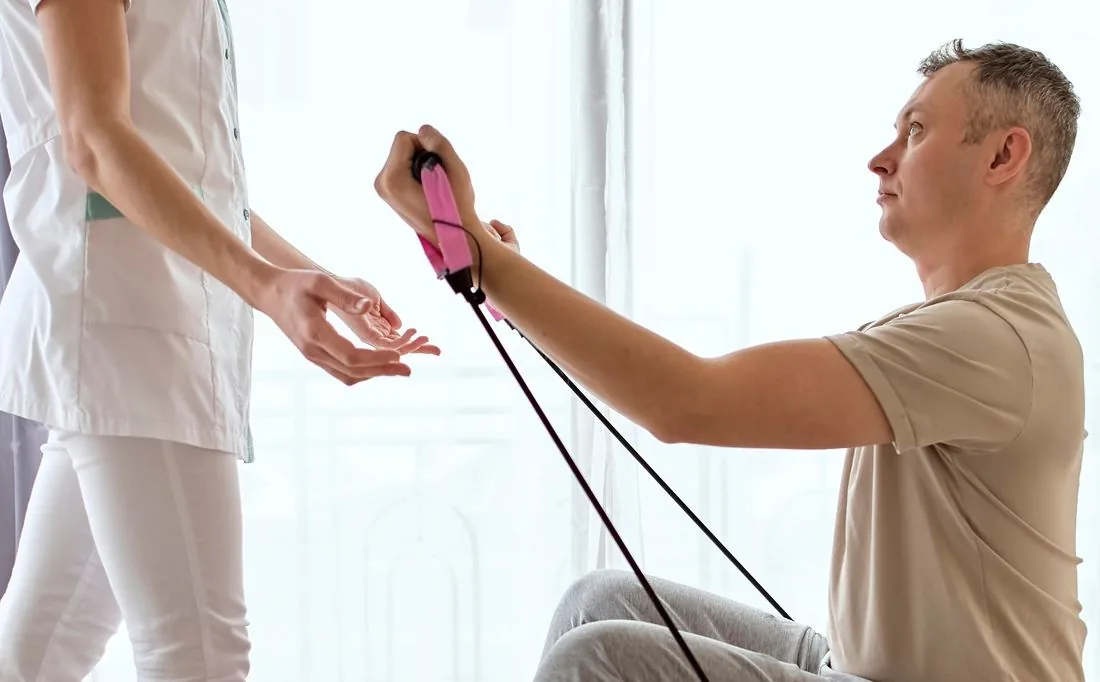
    Stroke physiotherapy and neurological rehabilitation in Manikonda clinic
    Neurological & SpecialVerified Clinical Protocol

    1-on-1 personalized sessions by Dr. Mohammed Hamid Ali, BPT, MPT (Orthopedics). Complete assessment and progressive milestone recovery.

    Clinical Overview & Definition

    What is Stroke Physiotherapy & Rehabilitation?

    A stroke (cerebrovascular accident, CVA) occurs when blood flow to a part of the brain is interrupted by an ischemic clot or hemorrhage, resulting in neuronal cell damage. Patients frequently experience hemiplegia (paralysis of one side of the body), spasticity, loss of balance, facial weakness, and difficulty walking. Fortunately, the human brain possesses remarkable neuroplasticity โ€” the ability to rewire surviving neural pathways through repetitive, meaningful practice. At Dr. Hamid's Physio and Pain Clinic in Manikonda, Hyderabad, Dr. Mohammed Hamid Ali (BPT) provides specialized, compassionate neuro-rehabilitation that maximizes recovery potential and restores dignified functional independence.

    How Targeted Physiotherapy Restores Function

    Neuro-rehabilitation utilizes task-specific training and neuroplastic stimulation. Dr. Mohammed Hamid Ali (BPT) incorporates Bobath (NDT) principles, Motor Relearning Programmes (MRP), proprioceptive neuromuscular facilitation (PNF), and constraint-induced movement techniques. Therapy systematically progresses from bed mobility and sitting balance to supported standing, symmetrical weight-bearing, and independent community ambulation.

    Common Causes

    Primary mechanical, postural, and physiological factors observed in our Manikonda clinic:

    • Ischemic stroke caused by arterial thrombosis or embolism depriving brain tissue of oxygen
    • Hemorrhagic stroke resulting from ruptured cerebral blood vessels or aneurysms
    • Transient Ischemic Attacks (TIA) resulting in residual neuromuscular weakness
    • Prolonged bed rest leading to joint contractures, muscle atrophy, and cardiovascular deconditioning

    Frequent Symptoms

    Signs and functional limitations indicating need for physical therapy:

    • Hemiparesis or hemiplegia (weakness or paralysis affecting the face, arm, and leg on one side)
    • Spasticity and muscle tightness locking the elbow, wrist, fingers, or ankle into flexed positions
    • Severe loss of balance, trunk control, and coordination making sitting or standing unsupported difficult
    • Hemiplegic gait pattern characterized by hip circumduction and foot drop during walking
    • Difficulty performing basic activities of daily living (bathing, dressing, feeding, transfers)
    Step-by-Step Clinical Assessment

    Our Diagnostic Evaluation in Manikonda

    Before applying any treatment, Dr. Mohammed Hamid Ali, BPT, MPT (Orthopedics) conducts a comprehensive 45-minute clinical evaluation to pinpoint the exact musculoskeletal root cause.

    1
    Fugl-Meyer assessment of motor recovery and sensory impairment
    2
    Modified Ashworth Scale to quantify spasticity in flexor and extensor muscle synergies
    3
    Berg Balance Scale evaluating static and dynamic balance in sitting and standing
    4
    Functional Ambulation Category (FAC) to determine walking independence
    5
    Passive joint range of motion screening to identify early contractures in the shoulder and ankle
    Multimodal Treatment Protocol

    Evidence-Based Treatment Approach

    We integrate hands-on manual mobilizations, targeted electro-physical modalities, and progressive active exercise therapy:

    Task-specific repetitive motor training targeting everyday functional movements
    Inhibition techniques and prolonged passive stretching to manage spastic muscle groups
    Trunk control and core stability exercises in sitting and bridging postures
    Overground gait retraining with body-weight support, orthotic ankle bracing, and rhythmic auditory cues
    Caregiver education on safe transferring techniques, positioning, and home exercise assistance
    Expected Recovery Timeline

    The most rapid neurological recovery occurs during the first 3 to 6 months post-stroke, but clinical neuroplasticity continues for years with consistent physiotherapy and daily practice.

    Home Care & Ergonomics

    • Ensure proper hemiplegic arm positioning using pillows to prevent painful shoulder subluxation
    • Perform daily passive range of motion to all paralyzed joints to prevent permanent contractures
    • Encourage the patient to use their affected arm and leg in daily activities as much as possible
    • Practice supported sit-to-stand repetitions from a firm chair 2-3 times daily
    • Keep walking pathways at home free of loose rugs, wires, and furniture obstacles

    When to Consult Dr. Hamid

    Begin stroke physiotherapy as soon as the patient is medically stable in the hospital or discharged home. Early intervention yields the highest neuroplastic gains. Home visits are available across Manikonda.

    Frequently Asked Questions

    Patient Questions & Answers

    Clear clinical answers by Dr. Mohammed Hamid Ali to help you make informed decisions about your rehabilitation.