Manikonda & Puppalguda Clinic โ€ข Home Physiotherapy Visits

    Frozen Shoulder Physiotherapy in Manikonda, Hyderabad

    Structured rehabilitation for frozen shoulder (adhesive capsulitis), including pain management, progressive mobility exercises, and restoration of overhead movement.

    Dr. Hamid, BPT, MPT (8+ Yrs)
    Evidence-Based Care
    Home Physiotherapy Visits

    ๐Ÿ“ Opp: HDFC Bank ATM, near Friends Colony Park, Puppalguda, Manikonda. Same-day appointments available.

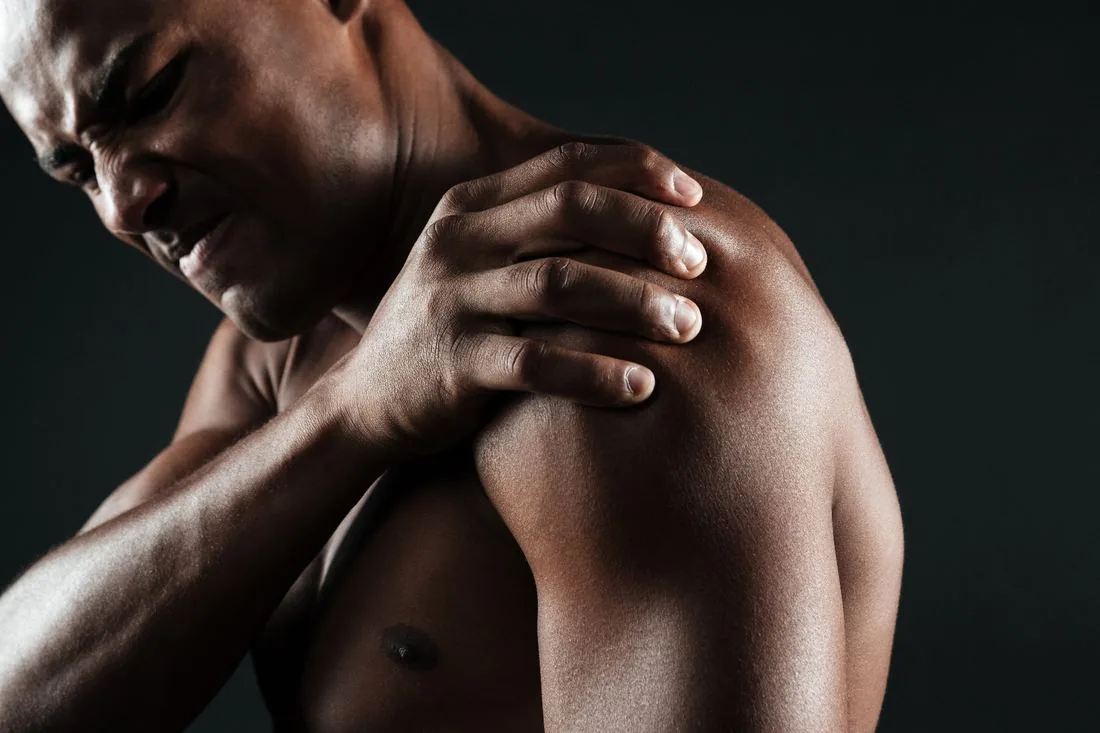
    Frozen shoulder physiotherapy and adhesive capsulitis treatment in Manikonda clinic
    ShoulderVerified Clinical Protocol

    1-on-1 personalized sessions by Dr. Mohammed Hamid Ali, BPT, MPT (Orthopedics). Complete assessment and progressive milestone recovery.

    Clinical Overview & Definition

    What is Frozen Shoulder Physiotherapy?

    Frozen shoulder, medically termed Adhesive Capsulitis, is a painful and debilitating condition characterized by severe inflammation, thickening, fibrosis, and contracture of the glenohumeral joint capsule. It typically progresses through three distinct clinical phases: the Freezing stage (severe pain, increasing stiffness), the Frozen stage (less pain at rest, extreme stiffness and mobility restriction), and the Thawing stage (gradual recovery of movement). Without skilled physiotherapy, frozen shoulder can persist for 2 to 3 years. At Dr. Hamid's Physio and Pain Clinic in Manikonda, Hyderabad, Dr. Mohammed Hamid Ali (BPT) applies stage-specific manual mobilizations and capsule-stretching techniques that dramatically shorten recovery time and restore full, pain-free range of motion.

    How Targeted Physiotherapy Restores Function

    Stage-specific physiotherapy is the cornerstone of frozen shoulder recovery. During the painful Freezing stage, aggressive stretching is contraindicated; Dr. Mohammed Hamid Ali (BPT) focuses on pain management, gentle pendular movements, and supportive electrotherapy. As the condition transitions into the Frozen and Thawing stages, intensive Maitland Grade III-IV capsular glides, physiological stretching, and progressive strengthening are systematically introduced to expand the contracted joint volume.

    Common Causes

    Primary mechanical, postural, and physiological factors observed in our Manikonda clinic:

    • Idiopathic thickening and contracture of the glenohumeral joint capsule and coracohumeral ligament
    • High prevalence in individuals with diabetes mellitus (up to 20% higher risk) and thyroid disorders
    • Prolonged immobilization following shoulder trauma, wrist fracture, or post-cardiac/breast surgery
    • Autoimmune inflammatory reactions in the synovial lining of the joint capsule
    • History of previous untreated rotator cuff tendinopathy or minor trauma

    Frequent Symptoms

    Signs and functional limitations indicating need for physical therapy:

    • Extreme restriction of shoulder movement โ€” classically external rotation is lost first, followed by abduction and internal rotation (capsular pattern)
    • Severe, agonizing night pain that wakes you up and prevents sleeping on the affected side
    • Inability to reach behind your back to put on a coat, reach into back pockets, or fasten clothing
    • Difficulty reaching overhead to wash hair, reach high shelves, or comb hair
    • Dull, constant deep aching in the shoulder and upper arm even at complete rest
    Step-by-Step Clinical Assessment

    Our Diagnostic Evaluation in Manikonda

    Before applying any treatment, Dr. Mohammed Hamid Ali, BPT, MPT (Orthopedics) conducts a comprehensive 45-minute clinical evaluation to pinpoint the exact musculoskeletal root cause.

    1
    Precise goniometric measurement of active and passive shoulder external rotation, abduction, and internal rotation
    2
    Verification of the classic capsular pattern of restriction (external rotation > abduction > internal rotation)
    3
    Differentiation from rotator cuff tears (in frozen shoulder, passive motion is physically blocked by the capsule)
    4
    Evaluation of scapulothoracic substitution (hiking the shoulder to compensate for lost glenohumeral motion)
    5
    Assessment of medical history (diabetes, thyroid levels, recent surgeries)
    Multimodal Treatment Protocol

    Evidence-Based Treatment Approach

    We integrate hands-on manual mobilizations, targeted electro-physical modalities, and progressive active exercise therapy:

    Stage 1 (Freezing): Pain relief, gentle Grade I-II joint oscillations, moist heat, and pain-free pendular exercises
    Stage 2 (Frozen): Grade III-IV inferior, anterior, and posterior capsular mobilizations to stretch contracted tissues
    End-range sustained capsular stretching (sleeper stretch, doorway stretch, pulley exercises)
    Stage 3 (Thawing): Progressive strengthening of rotator cuff and scapular muscles throughout newly gained range
    Functional retraining for personal grooming, dressing, and daily reaching activities
    Expected Recovery Timeline

    While natural unmanaged frozen shoulder takes 18 to 36 months, consistent stage-matched physiotherapy typically accelerates functional recovery to 3 to 6 months, significantly reducing duration and suffering.

    Home Care & Ergonomics

    • Apply moist warm compresses for 15 minutes prior to performing your prescribed home stretches
    • Perform gentle Codman's pendulum exercises 3-4 times daily to maintain joint circulation
    • Use an overhead shoulder pulley daily as demonstrated by Dr. Hamid to gently regain flexion
    • Support the painful arm on a pillow while watching TV or sleeping to reduce capsular traction
    • Avoid forceful, jerky attempts to break through extreme stiffness at home

    When to Consult Dr. Hamid

    Seek physiotherapy as early as possible when you first notice progressive loss of shoulder rotation or persistent night pain. Early intervention prevents dense fibrotic contracture.

    Frequently Asked Questions

    Patient Questions & Answers

    Clear clinical answers by Dr. Mohammed Hamid Ali to help you make informed decisions about your rehabilitation.