Manikonda & Puppalguda Clinic โ€ข Home Physiotherapy Visits

    Rotator Cuff Physiotherapy in Manikonda, Hyderabad

    Specialized clinical rehabilitation for rotator cuff tears, tendonitis, impingement, and shoulder weakness.

    Dr. Hamid, BPT, MPT (8+ Yrs)
    Evidence-Based Care
    Home Physiotherapy Visits

    ๐Ÿ“ Opp: HDFC Bank ATM, near Friends Colony Park, Puppalguda, Manikonda. Same-day appointments available.

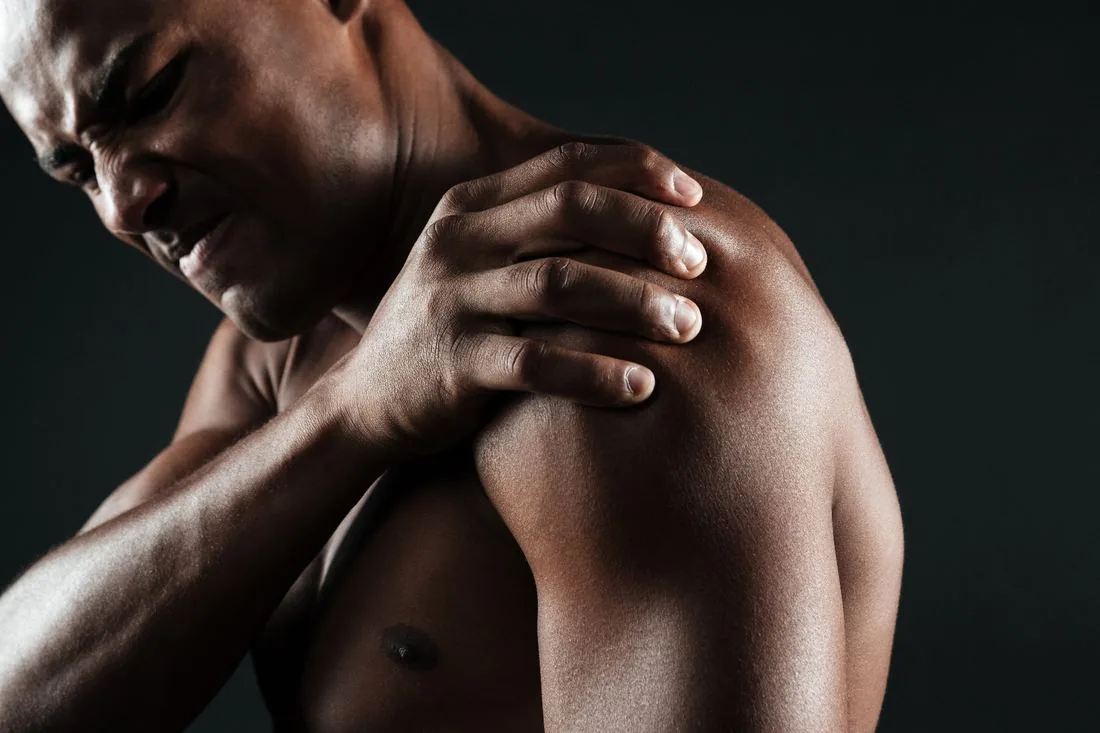
    Rotator cuff physiotherapy and shoulder tendon treatment in Manikonda clinic
    ShoulderVerified Clinical Protocol

    1-on-1 personalized sessions by Dr. Mohammed Hamid Ali, BPT, MPT (Orthopedics). Complete assessment and progressive milestone recovery.

    Clinical Overview & Definition

    What is Rotator Cuff Physiotherapy?

    The rotator cuff is a group of four deep muscles (supraspinatus, infraspinatus, teres minor, and subscapularis) that surround the shoulder joint, providing dynamic stability and enabling smooth rotation of the arm. Rotator cuff injuries are among the most common shoulder problems, ranging from tendonitis and impingement to partial or complete tears. These injuries cause pain during overhead activities, difficulty sleeping on the affected side, and weakness when lifting or rotating the arm. At Dr. Hamid's Physio and Pain Clinic in Manikonda, Hyderabad, we provide evidence-based conservative management for rotator cuff conditions, helping patients avoid surgery and regain full shoulder function.

    How Targeted Physiotherapy Restores Function

    Rotator cuff rehabilitation focuses on restoring the balance between the deltoid and rotator cuff, improving scapular stability, and progressively loading the tendons to stimulate healing. Dr. Mohammed Hamid Ali, BPT, MPT (Orthopedics) uses targeted manual therapy to mobilize stiff joints, soft tissue techniques to release tight structures, and a structured progressive strengthening program that rebuilds tendon health and shoulder function without surgery.

    Common Causes

    Primary mechanical, postural, and physiological factors observed in our Manikonda clinic:

    • Repetitive overhead activities in sports (badminton, tennis, swimming, cricket) or occupations
    • Age-related tendon degeneration and reduced blood supply after age 40
    • Subacromial impingement from bone spurs or thickened bursa compressing the tendons
    • Poor scapular mechanics and rounded shoulder posture reducing subacromial space
    • Acute trauma from falls onto an outstretched arm or heavy lifting
    • Muscle imbalances between the deltoid and rotator cuff causing superior humeral head migration

    Frequent Symptoms

    Signs and functional limitations indicating need for physical therapy:

    • Pain on the outside or front of the shoulder, particularly when reaching overhead or behind the back
    • Painful arc between 60-120 degrees of arm elevation
    • Night pain and difficulty sleeping on the affected shoulder
    • Weakness when lifting objects or rotating the arm against resistance
    • Clicking, popping, or catching sensations during shoulder movement
    Step-by-Step Clinical Assessment

    Our Diagnostic Evaluation in Manikonda

    Before applying any treatment, Dr. Mohammed Hamid Ali, BPT, MPT (Orthopedics) conducts a comprehensive 45-minute clinical evaluation to pinpoint the exact musculoskeletal root cause.

    1
    Empty Can (Jobe's) and Full Can tests to isolate supraspinatus function
    2
    External rotation and internal rotation strength testing against resistance
    3
    Neer's and Hawkins-Kennedy impingement provocative tests
    4
    Scapular dyskinesis assessment evaluating upward rotation and posterior tilt
    5
    Cervical spine screening to rule out referred pain from neck issues
    Multimodal Treatment Protocol

    Evidence-Based Treatment Approach

    We integrate hands-on manual mobilizations, targeted electro-physical modalities, and progressive active exercise therapy:

    Pain relief phase: Gentle joint mobilizations, electrotherapy, and activity modification
    Scapular stabilization exercises (serratus anterior wall slides, lower trapezius Y-raises)
    Progressive rotator cuff strengthening using resistance bands at various angles
    Posterior capsule stretching and thoracic extension exercises to improve posture
    Functional retraining for overhead activities and return to sport or work
    Expected Recovery Timeline

    Tendonitis and impingement typically improve within 4 to 6 weeks. Partial tears respond to rehabilitation in 8 to 12 weeks. Full-thickness tears require 3 to 6 months of conservative management; surgery is considered only if conservative treatment fails.

    Home Care & Ergonomics

    • Avoid sleeping on the painful shoulder; sleep on your back or unaffected side with a pillow under the arm
    • Apply ice packs for 15 minutes after activities that provoke shoulder pain
    • Avoid repetitive overhead activities and heavy lifting during the acute phase
    • Perform gentle pendulum exercises daily to maintain joint mobility
    • Maintain upright posture with shoulders back and down during desk work

    When to Consult Dr. Hamid

    Seek assessment if shoulder pain persists beyond one week, prevents overhead activities or sleeping, or if you experience sudden weakness after an injury. Early treatment prevents progression to tears.

    Frequently Asked Questions

    Patient Questions & Answers

    Clear clinical answers by Dr. Mohammed Hamid Ali to help you make informed decisions about your rehabilitation.