Manikonda & Puppalguda Clinic โ€ข Home Physiotherapy Visits

    Shoulder Rehabilitation in Manikonda, Hyderabad

    Complete clinical rehabilitation for post-arthroscopic rotator cuff repair, recurrent shoulder dislocation, Labral/SLAP tears, and fracture recovery.

    Dr. Hamid, BPT, MPT (8+ Yrs)
    Evidence-Based Care
    Home Physiotherapy Visits

    ๐Ÿ“ Opp: HDFC Bank ATM, near Friends Colony Park, Puppalguda, Manikonda. Same-day appointments available.

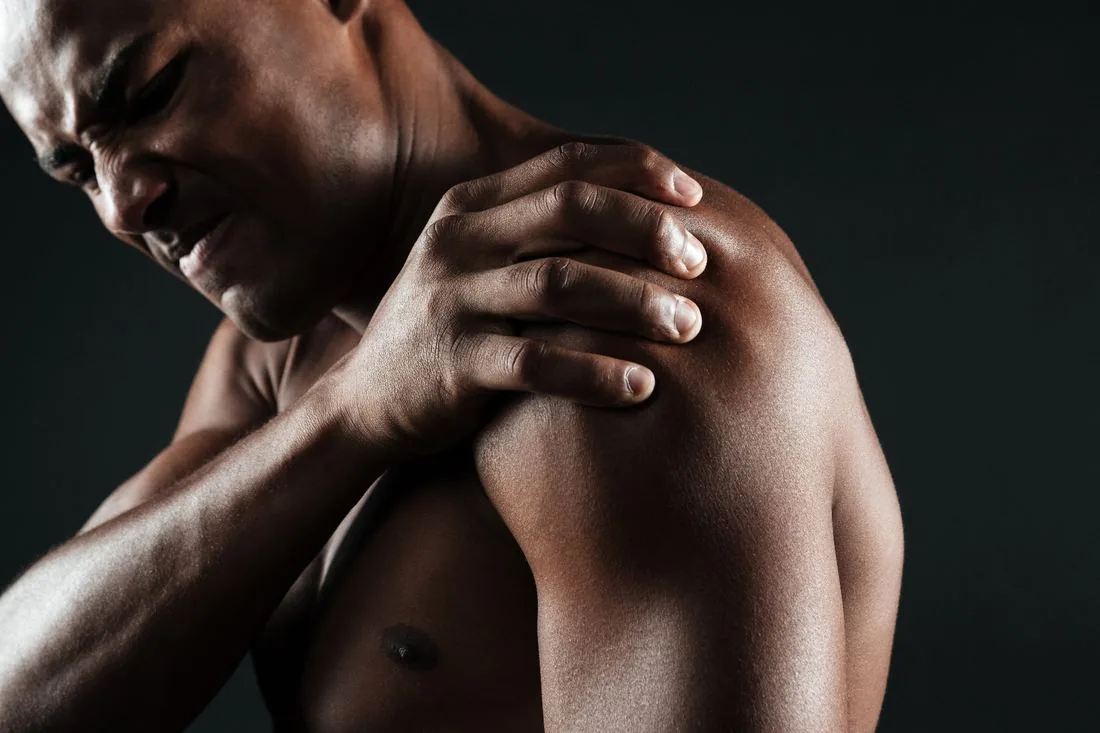
    Comprehensive shoulder rehabilitation and post-op stabilization in Manikonda clinic
    ShoulderVerified Clinical Protocol

    1-on-1 personalized sessions by Dr. Mohammed Hamid Ali, BPT, MPT (Orthopedics). Complete assessment and progressive milestone recovery.

    Clinical Overview & Definition

    What is Shoulder Rehabilitation?

    Shoulder Rehabilitation is an advanced, protocol-guided physical therapy program tailored for patients recovering from major shoulder surgery, anterior dislocations, Labral/Bankart lesions, SLAP tears, or proximal humerus fractures. Because the shoulder sacrifice bony stability for multi-planar mobility, rehabilitation must systematically restore active dynamic stabilization. At Dr. Hamid's Physio and Pain Clinic in Manikonda, Hyderabad, Dr. Mohammed Hamid Ali (BPT) leads you safely through phased surgical protocols โ€” protecting healing repairs while systematically rebuilding overhead strength, joint proprioception, and throwing/lifting capability.

    How Targeted Physiotherapy Restores Function

    Our structured shoulder rehabilitation adheres strictly to biological tissue healing phases. In early phases, Dr. Mohammed Hamid Ali (BPT) uses gentle passive range of motion to prevent arthrofibrosis without placing tension on surgical anchors. Once biological tendon-to-bone or labral healing is secure, active-assisted exercises, closed-chain kinetic loading, dynamic rhythmic stabilization, and functional sport-specific training are systematically integrated.

    Common Causes

    Primary mechanical, postural, and physiological factors observed in our Manikonda clinic:

    • Post-operative recovery following arthroscopic or open rotator cuff tendon repair
    • Post-surgical rehabilitation after Bankart repair, Latarjet procedure, or SLAP repair
    • Rehabilitation following acute anterior or posterior glenohumeral dislocation/subluxation
    • Post-fracture stiffness following surgical fixation of proximal humerus or clavicle fractures
    • Severe multidirectional shoulder instability (MDI) and hypermobility syndrome

    Frequent Symptoms

    Signs and functional limitations indicating need for physical therapy:

    • Severe joint stiffness, scar tissue adhesions, and guarding after weeks in a shoulder immobilizer/sling
    • Profound muscular atrophy of the deltoid, rotator cuff, and periscapular stabilizers
    • Apprehension, vulnerability, or fear that the shoulder will 'pop out' during abduction and external rotation
    • Inability to lift objects, drive, or return to recreational sports and fitness activities
    • Persistent ache around the surgical portals or anterior joint capsule
    Step-by-Step Clinical Assessment

    Our Diagnostic Evaluation in Manikonda

    Before applying any treatment, Dr. Mohammed Hamid Ali, BPT, MPT (Orthopedics) conducts a comprehensive 45-minute clinical evaluation to pinpoint the exact musculoskeletal root cause.

    1
    Verification of orthopedic surgical operative report, anchor locations, and immobilization guidelines
    2
    Passive range of motion measurement strictly respecting surgical safety parameters
    3
    Apprehension and Relocation tests for post-dislocation instability cases
    4
    Scapular rhythm, posture, and cervical spine screening
    5
    Strength testing of periscapular stabilizers (serratus anterior, rhomboids, trapezius)
    Multimodal Treatment Protocol

    Evidence-Based Treatment Approach

    We integrate hands-on manual mobilizations, targeted electro-physical modalities, and progressive active exercise therapy:

    Phase 1: Sling weaning, passive forward flexion in scapular plane, and gentle pendular exercises
    Phase 2: Active-assisted range of motion with wand/pulley, scapular retractions, and isometric rotator cuff setting
    Phase 3: Active range of motion, closed-chain quadruped weight-bearing, and light resistance band strengthening
    Phase 4: Rhythmic stabilization, pertubation training on stability balls, and dynamic rotator cuff endurance
    Phase 5: Plyometrics, throwing/overhead athletic drills, and return-to-sport functional clearance
    Expected Recovery Timeline

    Post-rotator cuff repair or Bankart stabilization follows a structured 4 to 6-month phased rehabilitation protocol. Return to high-demand overhead sports or heavy gym lifting occurs between 6 to 9 months.

    Home Care & Ergonomics

    • Wear your prescribed shoulder abduction sling exactly as instructed by your surgeon until cleared
    • Perform daily passive pendular exercises and wrist/hand pump exercises to maintain blood flow
    • Never push into painful extension or external rotation past your surgeon's current limits
    • Sleep in a semi-reclined position with a supportive pillow behind the elbow for comfort
    • Keep all surgical portal sites clean and dry per post-op instructions

    When to Consult Dr. Hamid

    Begin rehabilitation as soon as scheduled by your orthopedic surgeon (often starting with gentle passive motion at 2-3 weeks post-op). Home visits can be arranged in Manikonda and Puppalguda.

    Frequently Asked Questions

    Patient Questions & Answers

    Clear clinical answers by Dr. Mohammed Hamid Ali to help you make informed decisions about your rehabilitation.