Manikonda & Puppalguda Clinic โ€ข Home Physiotherapy Visits

    Shoulder Pain Physiotherapy in Manikonda, Hyderabad

    Clinical treatment for shoulder pain, rotator cuff problems, impingement, and restricted shoulder movement to help restore strength and daily function.

    Dr. Hamid, BPT, MPT (8+ Yrs)
    Evidence-Based Care
    Home Physiotherapy Visits

    ๐Ÿ“ Opp: HDFC Bank ATM, near Friends Colony Park, Puppalguda, Manikonda. Same-day appointments available.

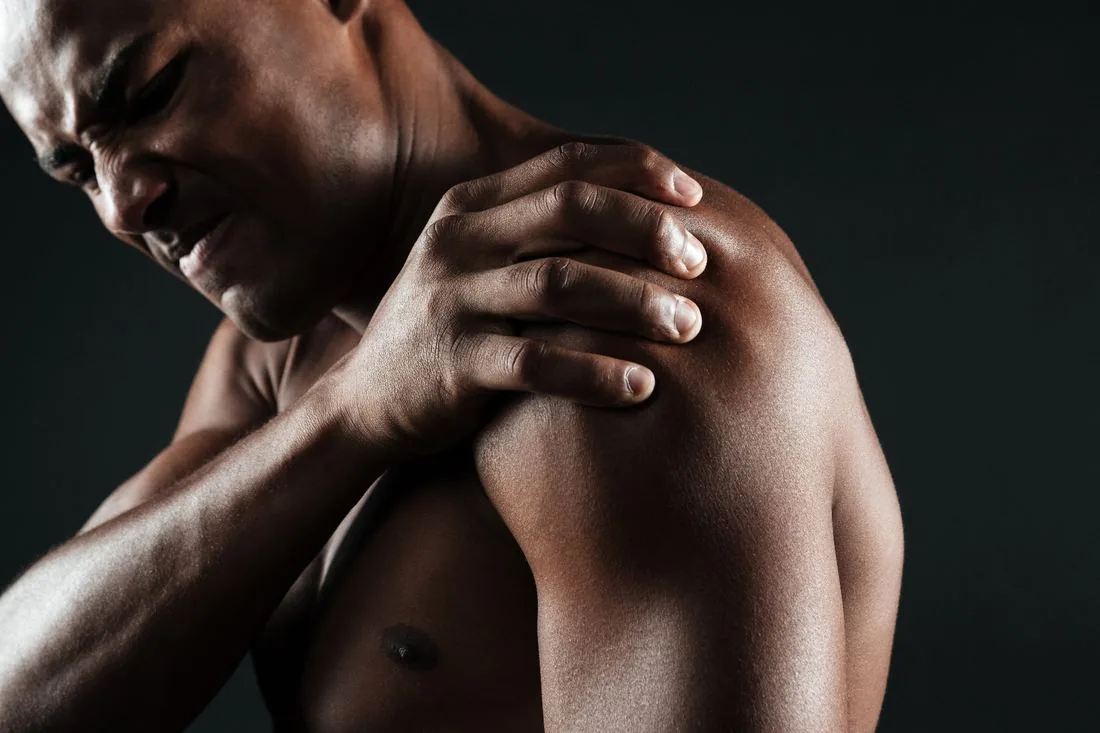
    Shoulder pain physiotherapy and rotator cuff treatment in Manikonda clinic
    ShoulderVerified Clinical Protocol

    1-on-1 personalized sessions by Dr. Mohammed Hamid Ali, BPT, MPT (Orthopedics). Complete assessment and progressive milestone recovery.

    Clinical Overview & Definition

    What is Shoulder Pain Physiotherapy?

    The shoulder is the most mobile joint in the human body, relying primarily on a dynamic cuff of four muscles (supraspinatus, infraspinatus, teres minor, subscapularis) and scapulothoracic stabilizers rather than deep bony sockets. This mobility leaves it susceptible to impingement, tendinitis, and bursitis. When you experience shoulder pain, simple tasks like reaching overhead, putting on a shirt, fastening a seatbelt, or sleeping on your side become agonizing. At Dr. Hamid's Physio and Pain Clinic in Manikonda, Hyderabad, we evaluate the entire shoulder girdle, thoracic spine, and neck to identify the exact source of your pain and restore smooth, pain-free overhead reach.

    How Targeted Physiotherapy Restores Function

    Physiotherapy restores the critical subacromial space. When the rotator cuff muscles are weak, the larger deltoid pulls the humeral head upward into the acromion, causing pinching. Dr. Mohammed Hamid Ali (BPT) uses targeted glenohumeral joint mobilizations, scapular retractor strengthening, rotator cuff force-couple retraining, and posture correction to seat the humeral head centrally in the socket, permanently resolving impingement.

    Common Causes

    Primary mechanical, postural, and physiological factors observed in our Manikonda clinic:

    • Subacromial impingement syndrome where the supraspinatus tendon is pinched under the acromion
    • Rotator cuff tendinopathy or partial micro-tears from repetitive overhead lifting or sports
    • Subacromial or subdeltoid bursitis causing sharp lateral shoulder inflammation
    • Poor scapulothoracic rhythm (scapular dyskinesis) and rounded shoulder posture
    • Biceps tendinitis affecting the long head of the biceps in the bicipital groove
    • Sudden jarring pull or fall onto an outstretched hand (FOOSH injury)

    Frequent Symptoms

    Signs and functional limitations indicating need for physical therapy:

    • Pain and weakness when lifting your arm sideways or reaching overhead (the 'painful arc' between 60-120ยฐ)
    • Deep, throbbing ache on the outside or front of the shoulder that worsens at night
    • Inability to comfortably sleep on the affected shoulder
    • Difficulty reaching behind your back to tuck in a shirt or fasten clothing
    • Clicking, popping, or catching sensations during arm rotation
    Step-by-Step Clinical Assessment

    Our Diagnostic Evaluation in Manikonda

    Before applying any treatment, Dr. Mohammed Hamid Ali, BPT, MPT (Orthopedics) conducts a comprehensive 45-minute clinical evaluation to pinpoint the exact musculoskeletal root cause.

    1
    Neer's and Hawkins-Kennedy impingement provocative tests
    2
    Empty Can (Jobe's) test and Full Can test to isolate the supraspinatus tendon
    3
    External and internal rotation isometric strength testing against resistance
    4
    Scapular dyskinesis testing evaluating winging and rhythmic upward rotation during arm elevation
    5
    Screening of the cervical spine to rule out referred C5-C6 radicular pain
    Multimodal Treatment Protocol

    Evidence-Based Treatment Approach

    We integrate hands-on manual mobilizations, targeted electro-physical modalities, and progressive active exercise therapy:

    Glenohumeral posterior and inferior joint mobilizations to enlarge the subacromial space
    Soft tissue release of tight pectoralis minor, levator scapulae, and posterior capsule
    Progressive rotator cuff strengthening using elastic resistance bands at various angles
    Scapular stabilization exercises (serratus anterior wall slides, lower trapezius Y-raises)
    Ergonomic sleeping modification and functional reach pacing advice
    Expected Recovery Timeline

    Subacromial impingement and acute rotator cuff tendinopathy typically show 50-70% improvement within 4 to 6 sessions (2 to 3 weeks). Full overhead athletic recovery is achieved in 6 to 8 weeks.

    Home Care & Ergonomics

    • Avoid lifting heavy weights overhead or behind your back during the acute pain phase
    • Perform gentle Codman's pendulum swings 3 times daily to relax shoulder muscles
    • Sleep on your back or unaffected side with a pillow tucked under the painful arm for support
    • Apply ice packs for 15 minutes after exercise or physical activity to reduce inflammation
    • Maintain upright posture with shoulders relaxed back and down

    When to Consult Dr. Hamid

    Consult Dr. Hamid if shoulder pain prevents sleeping, lasts longer than 7 days, or makes lifting your arm overhead painful.

    Frequently Asked Questions

    Patient Questions & Answers

    Clear clinical answers by Dr. Mohammed Hamid Ali to help you make informed decisions about your rehabilitation.