Manikonda & Puppalguda Clinic โ€ข Home Physiotherapy Visits

    Heel Pain Physiotherapy in Manikonda, Hyderabad

    Specialized clinical diagnosis and rehabilitation for acute and chronic heel pain, fat pad atrophy, and Achilles insertion ache.

    Dr. Hamid, BPT, MPT (8+ Yrs)
    Evidence-Based Care
    Home Physiotherapy Visits

    ๐Ÿ“ Opp: HDFC Bank ATM, near Friends Colony Park, Puppalguda, Manikonda. Same-day appointments available.

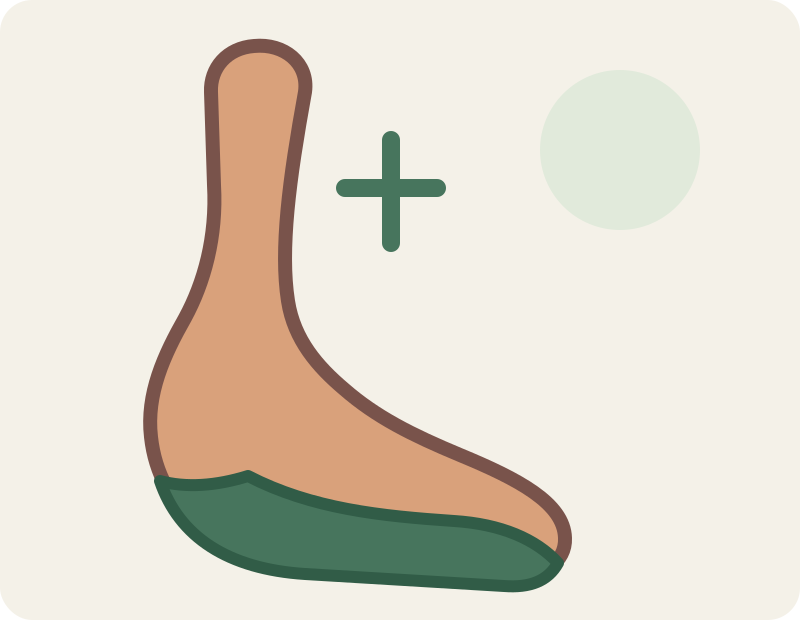
    Heel pain physiotherapy and calcaneal pain treatment in Manikonda clinic
    Other Joints & PainVerified Clinical Protocol

    1-on-1 personalized sessions by Dr. Mohammed Hamid Ali, BPT, MPT (Orthopedics). Complete assessment and progressive milestone recovery.

    Clinical Overview & Definition

    What is Heel Pain Physiotherapy?

    Heel pain is a remarkably common and disabling condition that causes intense, stabbing discomfort under or behind the heel. Every step you take transfers forces up to 1.5 times your body weight through the calcaneus (heel bone). When the supportive structures โ€” including the plantar fascia, subcalcaneal fat pad, or Achilles tendon โ€” become inflamed or degenerate, simple walking turns excruciating. At Dr. Hamid's Physio and Pain Clinic in Manikonda, Hyderabad, Dr. Mohammed Hamid Ali (BPT) provides targeted clinical care that identifies the exact anatomical source of your heel pain and restores pain-free, comfortable walking.

    How Targeted Physiotherapy Restores Function

    Physiotherapy for heel pain focuses on reducing localized tissue tension, improving foot biomechanics, and rebuilding tissue tolerance. Dr. Mohammed Hamid Ali (BPT) uses deep plantar tissue release, gastrocnemius-soleus stretching, low-dye taping to immediately offload the heel, and progressive loading protocols that stimulate tissue healing.

    Common Causes

    Primary mechanical, postural, and physiological factors observed in our Manikonda clinic:

    • Micro-tears and chronic degeneration at the calcaneal attachment of the plantar fascia
    • Subcalcaneal fat pad atrophy or contusion ('stone bruise') reducing shock absorption
    • Achilles insertional tendinopathy or retrocalcaneal bursitis behind the heel
    • Tarsal tunnel syndrome with compression of the posterior tibial nerve or Baxter's nerve entrapment
    • Wearing unsupportive flat footwear or walking barefoot on hard marble and tiled floors
    • Sudden increases in walking, running, or standing hours on hard surfaces

    Frequent Symptoms

    Signs and functional limitations indicating need for physical therapy:

    • Stabbing or bruising pain on the underside or back of the heel with the very first steps in the morning
    • Pain that eases slightly after walking around but flares up intensely after sitting down and standing again
    • Inability to walk comfortably barefoot on hard home floors
    • Deep tenderness when pressing directly on the underside of the calcaneus
    • Swelling, redness, or heat around the back or bottom of the heel
    Step-by-Step Clinical Assessment

    Our Diagnostic Evaluation in Manikonda

    Before applying any treatment, Dr. Mohammed Hamid Ali, BPT, MPT (Orthopedics) conducts a comprehensive 45-minute clinical evaluation to pinpoint the exact musculoskeletal root cause.

    1
    Palpation of the medial calcaneal tubercle, retrocalcaneal bursa, and Achilles insertion
    2
    Windlass test evaluating plantar fascia mechanical tension during big toe dorsiflexion
    3
    Evaluation of foot arch architecture (pes planus/flat foot vs pes cavus/high arch)
    4
    Ankle joint dorsiflexion range of motion measurement (weight-bearing lunge test)
    5
    Gait analysis to detect abnormal heel strike and early heel rise
    Multimodal Treatment Protocol

    Evidence-Based Treatment Approach

    We integrate hands-on manual mobilizations, targeted electro-physical modalities, and progressive active exercise therapy:

    Low-Dye biomechanical taping to instantly support the arch and cushion the heel
    Deep transverse myofascial release of tight calf muscles and plantar structures
    High-load progressive plantar loading (Rathleff protocol) using rolled towels
    Supportive therapeutic ultrasound to reduce localized tissue inflammation
    Customized silicone heel cup and orthotic footwear guidance
    Expected Recovery Timeline

    Most patients experience substantial relief from morning heel pain within 3 to 4 weeks (6 to 8 sessions). Complete tissue recovery and return to long-distance walking typically occurs within 6 to 10 weeks.

    Home Care & Ergonomics

    • Never walk barefoot on hard tiled or marble floors at home; wear cushioned indoor footwear
    • Perform a 3-minute calf and plantar stretch before taking your first steps out of bed in the morning
    • Roll the underside of your foot gently over a frozen water bottle for 10 minutes in the evening
    • Place silicone heel cups in your everyday walking shoes to absorb impact shock
    • Avoid worn-out footwear with flattened heels or thin soles

    When to Consult Dr. Hamid

    Consult Dr. Hamid if heel pain persists for more than 5 days, makes walking painful, or causes sharp morning discomfort.

    Frequently Asked Questions

    Patient Questions & Answers

    Clear clinical answers by Dr. Mohammed Hamid Ali to help you make informed decisions about your rehabilitation.