Manikonda & Puppalguda Clinic โ€ข Home Physiotherapy Visits

    Heel Spur Physiotherapy in Manikonda, Hyderabad

    Specialized clinical rehabilitation for calcaneal spur pain, chronic heel inflammation, and plantar traction bone spurs.

    Dr. Hamid, BPT, MPT (8+ Yrs)
    Evidence-Based Care
    Home Physiotherapy Visits

    ๐Ÿ“ Opp: HDFC Bank ATM, near Friends Colony Park, Puppalguda, Manikonda. Same-day appointments available.

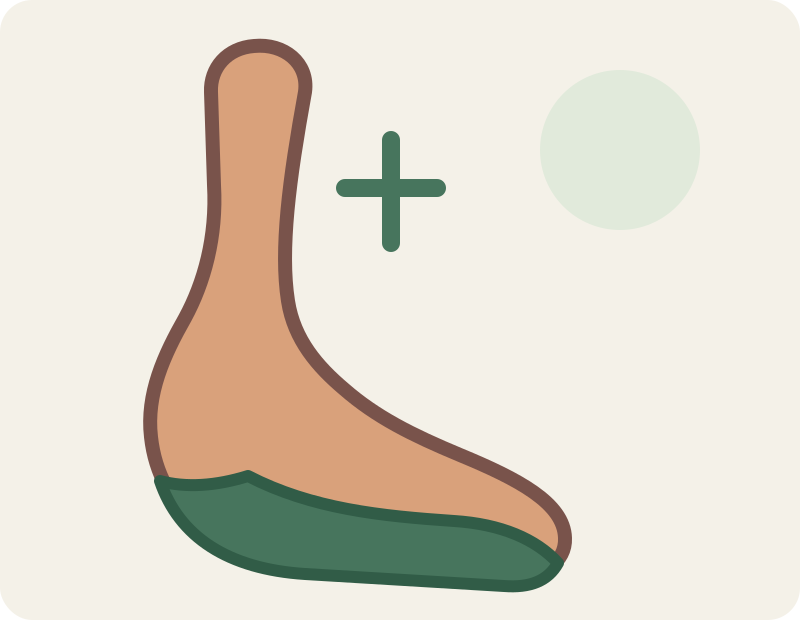
    Heel spur physiotherapy and calcaneal spur treatment in Manikonda clinic
    Other Joints & PainVerified Clinical Protocol

    1-on-1 personalized sessions by Dr. Mohammed Hamid Ali, BPT, MPT (Orthopedics). Complete assessment and progressive milestone recovery.

    Clinical Overview & Definition

    What is Heel Spur Physiotherapy?

    A heel spur (calcaneal spur) is a bony outgrowth that may be seen on an X-ray. Its presence does not necessarily explain a person's heel pain; symptoms can also relate to surrounding soft tissues and other causes. At Dr. Hamid's Physio and Pain Clinic in Manikonda, an assessment considers symptoms, activity, and function to discuss whether physiotherapy may help and whether further medical evaluation is needed.

    How Targeted Physiotherapy Restores Function

    Physiotherapy may address factors associated with heel pain, including foot and calf strength, activity load, and footwear. Care can include exercise, activity guidance, and discussion of cushioning or insole options when appropriate. A heel spur seen on an X-ray does not always explain a person's pain.

    Common Causes

    Primary mechanical, postural, and physiological factors observed in our Manikonda clinic:

    • Months or years of untreated chronic plantar fasciitis pulling continuously on the calcaneus
    • Excessive mechanical traction on the calcaneal periosteum stimulating osteoblast bone deposition
    • Severe calf and Achilles tendon tightness causing poor ankle dorsiflexion mechanics
    • Prolonged high-impact activities like running or jumping on hard concrete surfaces
    • Walking barefoot or wearing unsupportive footwear with completely flat, rigid soles
    • Structural biomechanical faults such as severe overpronation or rigid high arches

    Frequent Symptoms

    Signs and functional limitations indicating need for physical therapy:

    • Sharp, stabbing pain beneath the heel when standing up after periods of rest
    • A sensation described by patients as 'walking on a small stone or nail'
    • Persistent dull, throbbing ache under the heel bone after a full day on your feet
    • Localized tenderness and sensitivity when pressing the bottom-center of the heel
    • Difficulty participating in morning walks, sports, or standing for long hours
    Step-by-Step Clinical Assessment

    Our Diagnostic Evaluation in Manikonda

    Before applying any treatment, Dr. Mohammed Hamid Ali, BPT, MPT (Orthopedics) conducts a comprehensive 45-minute clinical evaluation to pinpoint the exact musculoskeletal root cause.

    1
    Review of foot X-rays to identify the size and orientation of the calcaneal spur
    2
    Palpation to localize whether pain is periosteal, plantar fascial, or fat pad related
    3
    Assessment of calf muscle flexibility and weight-bearing ankle range of motion
    4
    Windlass mechanism testing and foot arch evaluation
    5
    Gait analysis to identify compensatory weight shifts and limping patterns
    Multimodal Treatment Protocol

    Evidence-Based Treatment Approach

    We integrate hands-on manual mobilizations, targeted electro-physical modalities, and progressive active exercise therapy:

    Supportive therapeutic ultrasound to reduce periosteal inflammation around the spur
    Deep transverse myofascial release of tight calf musculature and plantar fascia
    Low-Dye taping techniques that elevate the arch and cushion the calcaneal spur
    Progressive stretching and eccentric loading of the gastroc-soleus complex
    Prescription of shock-absorbing silicone heel cups with central cut-outs for the spur
    Expected Recovery Timeline

    Most patients experience a marked reduction in heel pain within 3 to 4 weeks (6 to 8 sessions), with long-term symptom relief maintained through appropriate footwear and daily stretching.

    Home Care & Ergonomics

    • Insert silicone heel cups with a central soft spot into all everyday shoes
    • Never walk barefoot; wear cushioned orthopedic indoor footwear at home
    • Perform gentle calf stretches on a slant board or step for 30 seconds, 3 times daily
    • Roll the bottom of the foot over a frozen water bottle for 10 minutes in the evening
    • Avoid high-impact jumping and running on hard concrete until pain is fully resolved

    When to Consult Dr. Hamid

    Schedule a consultation if you have been diagnosed with a heel spur on an X-ray, experience stabbing heel pain, or have difficulty walking.

    Frequently Asked Questions

    Patient Questions & Answers

    Clear clinical answers by Dr. Mohammed Hamid Ali to help you make informed decisions about your rehabilitation.