Manikonda & Puppalguda Clinic โ€ข Home Physiotherapy Visits

    Infrared Radiation (IRR) Therapy in Manikonda, Hyderabad

    Dry therapeutic thermal radiation providing superficial vasodilation, gentle muscle relaxation, and preparatory warmth before manual therapy in Manikonda.

    Dr. Hamid, BPT, MPT (8+ Yrs)
    Evidence-Based Care
    Home Physiotherapy Visits

    ๐Ÿ“ Opp: HDFC Bank ATM, near Friends Colony Park, Puppalguda, Manikonda. Same-day appointments available.

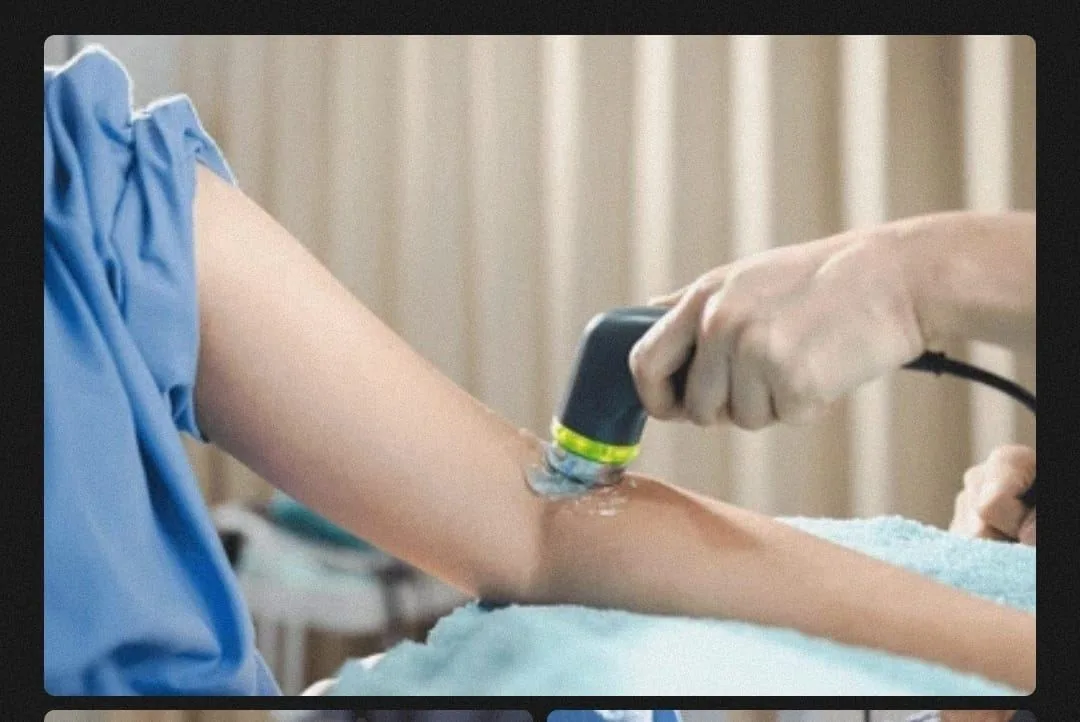
    Infrared radiation lamp thermal physical therapy in Manikonda clinic
    Supporting ModalitiesVerified Clinical Protocol

    1-on-1 personalized sessions by Dr. Mohammed Hamid Ali, BPT, MPT (Orthopedics). Complete assessment and progressive milestone recovery.

    Clinical Overview & Definition

    What is Infrared Radiation Therapy?

    Infrared Radiation (IRR) Therapy is a therapeutic thermal modality utilizing electromagnetic radiation with wavelengths longer than visible red light (750 nm to 400,000 nm). When infrared waves strike biological tissues, their radiant electromagnetic energy is absorbed and converted directly into heat. Luminous and non-luminous infrared lamps provide comfortable, dry, penetrating warmth that increases superficial cutaneous and subcutaneous temperatures, dilates capillary beds, flushes out pain-producing metabolites, and reduces muscular hypertonicity. At Dr. Hamid's Physio and Pain Clinic in Manikonda, IRR therapy is utilized as an exceptional preparatory modality, softening tight muscular sheaths and lubricating stiff joints prior to hands-on manual therapy and exercise.

    How Targeted Physiotherapy Restores Function

    Applying radiant infrared warmth before hands-on physical therapy significantly enhances treatment outcomes. Dr. Mohammed Hamid Ali (BPT) positions calibrated infrared medical emitters at an optimal angle and distance (typically 45โ€“60 cm). Within minutes, radiant heat triggers localized vasodilation via nitric oxide release, flooding tissues with oxygen and nutrients while clearing bradykinin and histamine. This relaxes tense muscle spindles and increases the extensibility of collagen fibers, allowing safe, deep, and pain-free joint mobilization.

    Common Causes

    Primary mechanical, postural, and physiological factors observed in our Manikonda clinic:

    • Chronic cervical, thoracic, and lumbar paraspinal muscle tension and myofascial stiffness
    • Subacute and chronic joint osteoarthritis causing morning stiffness and restricted joint play
    • Superficial muscle contusions, post-traumatic bruises, and resolving hematomas
    • Fibrositis, muscular guarding, and chronic soft tissue tension in desk workers and drivers
    • Chronic bursitis, tenosynovitis, and stiff post-fracture joint capsules
    • Superficial wound healing support and sluggish peripheral circulation

    Frequent Symptoms

    Signs and functional limitations indicating need for physical therapy:

    • A tight, aching feeling of cold stiffness across the back, shoulders, or knees in the morning
    • Widespread muscular tenderness that feels relieved by warm baths or sunshine
    • Difficulty initiating joint movement until the area is thoroughly 'warmed up'
    • Persistent muscular guarding that resists initial attempts at manual stretching
    • Sluggish local blood flow and sensation of chilliness in chronically injured extremities
    Step-by-Step Clinical Assessment

    Our Diagnostic Evaluation in Manikonda

    Before applying any treatment, Dr. Mohammed Hamid Ali, BPT, MPT (Orthopedics) conducts a comprehensive 45-minute clinical evaluation to pinpoint the exact musculoskeletal root cause.

    1
    Comprehensive skin integrity and thermal sensitivity testing (hot/cold discrimination check) to ensure thermal safety
    2
    Precise distance and beam angle measurement perpendicular to the target anatomical area
    3
    Selection between luminous (faster penetration) and non-luminous (gentle, uniform warmth) emitters
    4
    Continuous clinical monitoring of skin erythema (healthy pink flush) during irradiation
    5
    Seamless integration with subsequent manual joint mobilizations and therapeutic exercises
    Multimodal Treatment Protocol

    Evidence-Based Treatment Approach

    We integrate hands-on manual mobilizations, targeted electro-physical modalities, and progressive active exercise therapy:

    Patient positioned comfortably with the treatment area completely exposed and skin dried
    Infrared medical lamp positioned at a safe, perpendicular distance of 45 to 60 cm from the skin
    Gradual warm-up period delivering comfortable, soothing radiant heat for 15 to 20 minutes
    Therapist checks skin every 5 minutes to verify uniform, comfortable erythema without hot spots
    Immediate transition to passive stretching, myofascial release, or joint mobilization while tissues are pliable
    Expected Recovery Timeline

    Infrared therapy produces immediate muscular relaxation and joint soothing within 15 minutes. Long-term flexibility and pain relief are achieved within 3 to 6 sessions when paired with active physical therapy.

    Home Care & Ergonomics

    • Keep the treated area warm and protected from sudden cold air conditioner drafts immediately after therapy
    • Drink plenty of water following your thermal session to maintain cellular hydration
    • Perform your prescribed gentle stretching while muscles remain warm and flexible
    • Do NOT apply topical pain balms (like capsicum or menthol gels) immediately before or after infrared sessions

    When to Consult Dr. Hamid

    Infrared therapy is especially beneficial if your joints and muscles feel cold, stiff, and locked in the mornings, or if you require gentle, non-contact warming before hands-on therapy.

    Frequently Asked Questions

    Patient Questions & Answers

    Clear clinical answers by Dr. Mohammed Hamid Ali to help you make informed decisions about your rehabilitation.