Manikonda & Puppalguda Clinic โ€ข Home Physiotherapy Visits

    Manual Therapy & Soft Tissue Mobilisation in Manikonda, Hyderabad

    Skilled, hands-on clinical techniques including joint mobilizations, myofascial release, trigger point therapy, and neural mobilization to restore mobility.

    Dr. Hamid, BPT, MPT (8+ Yrs)
    Evidence-Based Care
    Home Physiotherapy Visits

    ๐Ÿ“ Opp: HDFC Bank ATM, near Friends Colony Park, Puppalguda, Manikonda. Same-day appointments available.

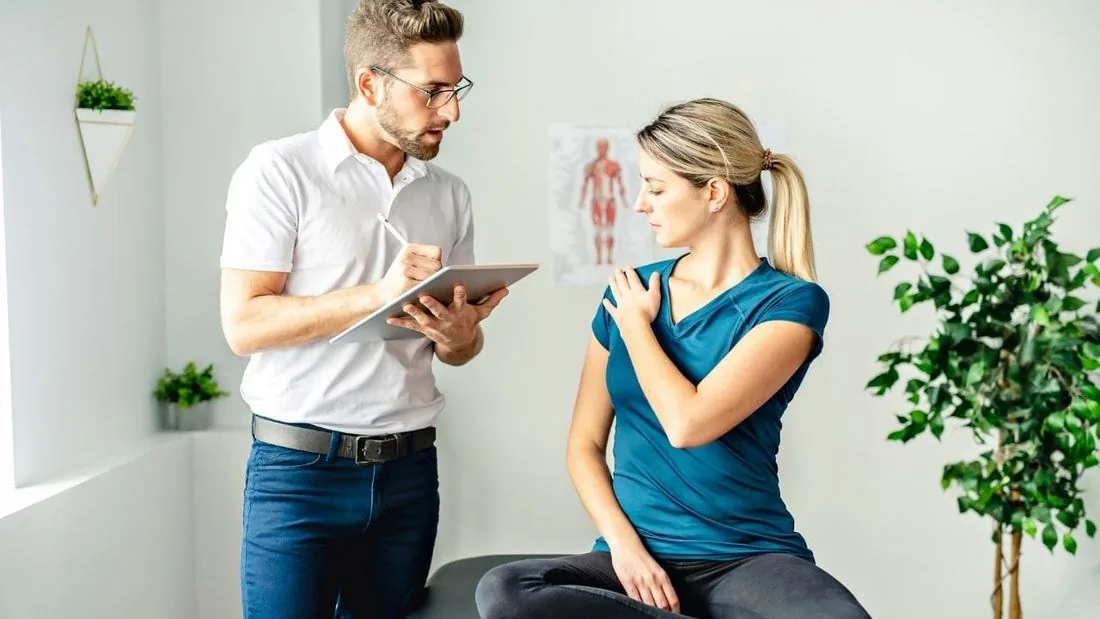
    Manual therapy joint mobilization and soft tissue release in Manikonda clinic
    Supporting ModalitiesVerified Clinical Protocol

    1-on-1 personalized sessions by Dr. Mohammed Hamid Ali, BPT, MPT (Orthopedics). Complete assessment and progressive milestone recovery.

    Clinical Overview & Definition

    What is Manual Therapy / Soft Tissue Mobilisation?

    Manual Therapy and Soft Tissue Mobilisation encompass a specialized category of skilled, hands-on physical therapy techniques delivered directly by the clinician's hands rather than machines. Recognizing that joints, muscles, fascia, and nerves are interconnected biological structures, manual physical therapy addresses biomechanical restrictions at their exact anatomical source. Techniques include Maitland and Kaltenborn joint mobilizations (rhythmic passive oscillations restoring capsular glide), Mulligan Mobilisation with Movement (MWM), Myofascial Release (MFR), deep transverse friction massage, and neural tissue mobilization (nerve gliding). At Dr. Hamid's Physio and Pain Clinic in Manikonda, skilled manual therapy provides rapid restoration of movement and immediate pain modulation.

    How Targeted Physiotherapy Restores Function

    Manual therapy delivers targeted mechanical and neurophysiological effects that exercises or machines alone cannot duplicate. Dr. Mohammed Hamid Ali (BPT) applies precise, graded manual forces directly to restricted joint capsules and shortened fascial planes. This stimulates mechanoreceptors, inhibits nociceptive pain pathways in the spinal cord, breaks down microscopic cross-linked collagen adhesions, and restores normal accessory joint glide (arthrokinematics). Movement becomes smooth, fluid, and pain-free.

    Common Causes

    Primary mechanical, postural, and physiological factors observed in our Manikonda clinic:

    • Facet joint locking and hypomobility in the cervical, thoracic, or lumbar spine
    • Capsular contractures in peripheral joints (frozen shoulder, stiff post-op knee or ankle)
    • Active myofascial trigger points, taut muscular bands, and chronic muscle knots
    • Dense fibrous adhesions between muscular sheaths and superficial fascia restricting movement
    • Restricted neural dynamics and nerve entrapments (carpal tunnel syndrome, piriformis syndrome)
    • Sacroiliac joint (SIJ) dysfunction and pelvic alignment asymmetries

    Frequent Symptoms

    Signs and functional limitations indicating need for physical therapy:

    • A distinct sensation of a joint being 'stuck', 'pinched', or unable to move past a certain angle
    • Sharp catching pain during specific movement arcs (e.g. reaching overhead or turning the head)
    • Palpable, rock-hard knots in muscles that send referred pain into adjacent areas when pressed
    • Persistent joint stiffness that fails to improve with simple independent stretching exercises
    • Tingling or tightness along nerve pathways during arm or leg elongation
    Step-by-Step Clinical Assessment

    Our Diagnostic Evaluation in Manikonda

    Before applying any treatment, Dr. Mohammed Hamid Ali, BPT, MPT (Orthopedics) conducts a comprehensive 45-minute clinical evaluation to pinpoint the exact musculoskeletal root cause.

    1
    Detailed palpatory examination of joint glide, end-feel quality, and capsular restriction patterns
    2
    Assessment of myofascial tissue texture, fascial sliding, and active trigger point locations
    3
    Application of specific manual provocation tests to isolate facet joints, ligaments, or labral structures
    4
    Neurodynamic tension testing (Straight Leg Raise, Slump Test, Upper Limb Neurodynamic Tests)
    5
    Immediate pre- and post-mobilization measurement of joint range and pain-free movement arc
    Multimodal Treatment Protocol

    Evidence-Based Treatment Approach

    We integrate hands-on manual mobilizations, targeted electro-physical modalities, and progressive active exercise therapy:

    Graded Maitland joint mobilizations (Grades I to IV) to soothe pain and expand capsular limits
    Mulligan Mobilisation with Movement (MWM) applying pain-free sustained accessory glide during active movement
    Myofascial Release (MFR) and ischemic trigger point compression to eliminate stubborn muscle knots
    Deep transverse friction massage to break down chronic fibrotic scar tissue in tendons and ligaments
    Gentle neural mobilization flossing techniques to free entrapped peripheral nerves
    Expected Recovery Timeline

    Patients typically experience immediate, noticeable improvements in joint range of motion and pain reduction during the very first manual therapy session. Lasting structural improvements are achieved over 3 to 6 sessions when consolidated with corrective exercises.

    Home Care & Ergonomics

    • Perform your prescribed active mobility drills within 2 hours after your manual session to reinforce new range
    • Mild local soreness or warmth for 12 to 24 hours after deep soft tissue work is normal and temporary
    • Apply moist warmth for 15 minutes if you feel mild muscular tenderness following deep fascial release
    • Drink plenty of water to help your body flush mobilized metabolic waste from released muscle knots

    When to Consult Dr. Hamid

    Manual therapy is strongly recommended if you feel a joint is 'stuck' or locked, have stubborn knots that won't loosen with self-stretching, or suffer from frozen shoulder, neck stiffness, or back catching.

    Frequently Asked Questions

    Patient Questions & Answers

    Clear clinical answers by Dr. Mohammed Hamid Ali to help you make informed decisions about your rehabilitation.