
Manikonda & Puppalguda Clinic โ€ข Home Physiotherapy Visits

    Nerve Rehabilitation in Manikonda, Hyderabad

    Specialized clinical therapy for peripheral nerve injuries, entrapment neuropathies, carpal tunnel syndrome, and neural hypersensitivity.

    Dr. Hamid, BPT, MPT (8+ Yrs)
    Evidence-Based Care
    Home Physiotherapy Visits

    ๐Ÿ“ Opp: HDFC Bank ATM, near Friends Colony Park, Puppalguda, Manikonda. Same-day appointments available.

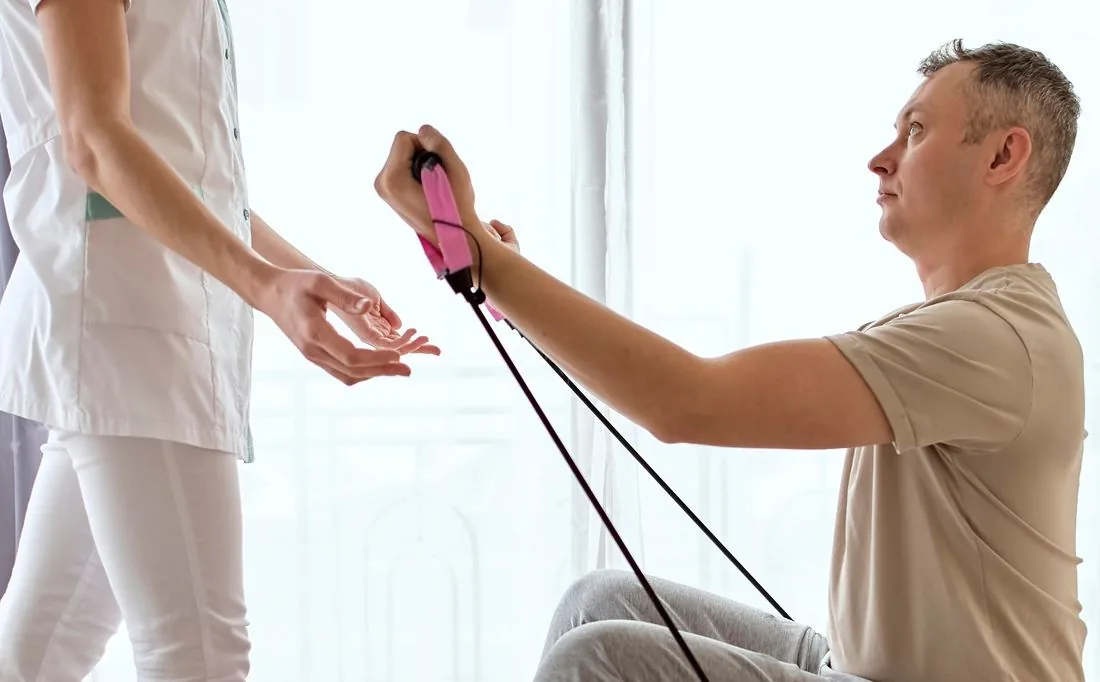
    Nerve rehabilitation and neurodynamic physiotherapy in Manikonda clinic
    Neurological & SpecialVerified Clinical Protocol

    1-on-1 personalized sessions by Dr. Mohammed Hamid Ali, BPT, MPT (Orthopedics). Complete assessment and progressive milestone recovery.

    Clinical Overview & Definition

    What is Nerve Rehabilitation?

    Peripheral nerves are remarkable living structures that must slide, glide, and elongate up to 20 mm along complex anatomical tunnels during normal human movement. When a nerve becomes compressed, entrapped, stretched, or chemically irritated (as in Carpal Tunnel Syndrome, Cubital Tunnel Syndrome, Meralgia Paresthetica, or post-surgical nerve trauma), patients experience severe neuropathic pain, burning, pins-and-needles, and motor weakness. At Dr. Hamid's Physio and Pain Clinic in Manikonda, Hyderabad, Dr. Mohammed Hamid Ali (BPT) specializes in clinical neurodynamics โ€” restoring free, unhindered nerve gliding, reducing neural mechanosensitivity, and facilitating axonal regeneration.

    How Targeted Physiotherapy Restores Function

    Physiotherapy for nerve rehabilitation focuses on removing mechanical entrapments and restoring neural fluid circulation. Dr. Mohammed Hamid Ali (BPT) applies precise neurodynamic sliders and tensioners that gently move the nerve through its anatomical container without over-stretching it. Therapy also includes targeted manual decompression of anatomical entrapment sites and sensory desensitization techniques.

    Common Causes

    Primary mechanical, postural, and physiological factors observed in our Manikonda clinic:

    • Entrapment neuropathies such as Carpal Tunnel Syndrome (median nerve) or Cubital Tunnel (ulnar nerve)
    • Post-traumatic nerve stretch, crush, or contusion injuries from sports, falls, or fractures
    • Peripheral neuropathy associated with diabetes mellitus, nutritional deficiencies, or chemotherapy
    • Surgical scarring and fibrotic adhesions tethering nerves to surrounding muscles or bone
    • Prolonged static postural pressure (e.g. leaning on elbows or sleeping with arms compressed)

    Frequent Symptoms

    Signs and functional limitations indicating need for physical therapy:

    • Electric shock-like, lancinating, or burning pain along the pathway of a specific nerve
    • Persistent numbness, tingling, and crawling sensations ('formication') in fingers or toes
    • Hypersensitivity (allodynia) where light touch or clothing friction causes discomfort
    • Muscle wasting and motor weakness in the specific muscle groups innervated by the affected nerve
    • Loss of fine motor dexterity, clumsiness when buttoning shirts or holding cutlery
    Step-by-Step Clinical Assessment

    Our Diagnostic Evaluation in Manikonda

    Before applying any treatment, Dr. Mohammed Hamid Ali, BPT, MPT (Orthopedics) conducts a comprehensive 45-minute clinical evaluation to pinpoint the exact musculoskeletal root cause.

    1
    Comprehensive neurodynamic provocative testing (Upper Limb Neurodynamic Tests 1-3, Straight Leg Raise, Slump Test, Prone Knee Bend)
    2
    Sensory testing using Semmes-Weinstein monofilaments and two-point discrimination
    3
    Tinel's sign and Phalen's test at common anatomical compression sites (wrist, elbow, fibular head)
    4
    Manual Muscle Testing (MMT) of specific peripheral nerve motor distributions
    5
    Deep tendon reflex testing and evaluation of sympathetic autonomic changes (temperature, sweating)
    Multimodal Treatment Protocol

    Evidence-Based Treatment Approach

    We integrate hands-on manual mobilizations, targeted electro-physical modalities, and progressive active exercise therapy:

    Neurodynamic gliding and sliding exercises to break perineural fibrotic adhesions
    Manual myofascial release of tight anatomical interfaces (carpal ligament, pronator teres, piriformis)
    Sensory re-education and graded desensitization using textures of increasing roughness
    Gentle electrical nerve stimulation to facilitate axonal recovery and manage neuropathic pain
    Prescription of functional resting splints to prevent nerve compression during sleep
    Expected Recovery Timeline

    Mild to moderate entrapment neuropathies (like early carpal tunnel syndrome) typically resolve within 4 to 6 weeks. Severe nerve regeneration following trauma progresses steadily over 3 to 6 months.

    Home Care & Ergonomics

    • Perform gentle neurodynamic slider exercises 2-3 times daily; never push into sharp shooting pain
    • Wear your prescribed resting splint (e.g. neutral wrist brace) while sleeping
    • Avoid repetitive vibrating tools or prolonged static leaning on your elbows or wrists
    • Protect numb areas of skin from hot water and sharp objects to prevent undetected injury
    • Take frequent ergonomic rest breaks during computer typing and mouse usage

    When to Consult Dr. Hamid

    Schedule an assessment if you experience persistent tingling, numbness, or loss of hand grip strength. Early intervention prevents permanent axonal damage.

    Frequently Asked Questions

    Patient Questions & Answers

    Clear clinical answers by Dr. Mohammed Hamid Ali to help you make informed decisions about your rehabilitation.