Manikonda & Puppalguda Clinic โ€ข Home Physiotherapy Visits

    Spondylolisthesis Physiotherapy in Manikonda, Hyderabad

    Specialized clinical rehabilitation for vertebral slippage, spinal instability, and nerve compression from spondylolisthesis.

    Dr. Hamid, BPT, MPT (8+ Yrs)
    Evidence-Based Care
    Home Physiotherapy Visits

    ๐Ÿ“ Opp: HDFC Bank ATM, near Friends Colony Park, Puppalguda, Manikonda. Same-day appointments available.

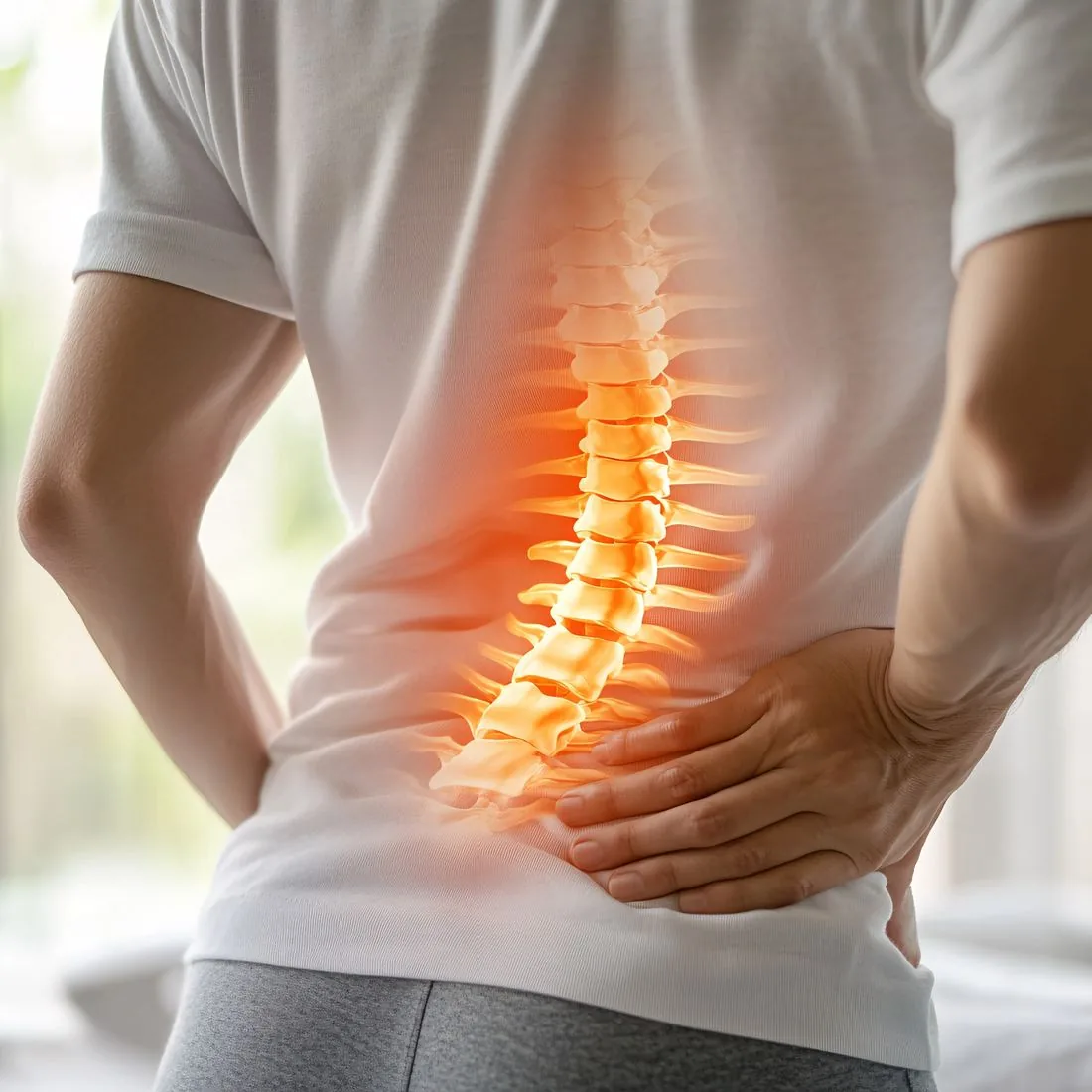
    Spondylolisthesis physiotherapy and vertebral slip rehabilitation in Manikonda clinic
    Spine & BackVerified Clinical Protocol

    1-on-1 personalized sessions by Dr. Mohammed Hamid Ali, BPT, MPT (Orthopedics). Complete assessment and progressive milestone recovery.

    Clinical Overview & Definition

    What is Spondylolisthesis Physiotherapy?

    Spondylolisthesis is a spinal condition where one vertebra slips forward over the vertebra below it, most commonly occurring at the L4-L5 or L5-S1 levels. This forward slippage can narrow the spinal canal, compress nerve roots, and cause persistent lower back pain, hamstring tightness, and radiating leg symptoms. The condition ranges from Grade I (mild, less than 25% slippage) to Grade V (complete displacement). At Dr. Hamid's Physio and Pain Clinic in Manikonda, Hyderabad, we provide specialized conservative management for stable spondylolisthesis, focusing on core stabilization, spinal decompression, and functional strengthening to avoid or delay surgical intervention.

    How Targeted Physiotherapy Restores Function

    Conservative physiotherapy is highly effective for stable Grade I and II spondylolisthesis. Dr. Mohammed Hamid Ali, BPT, MPT (Orthopedics) implements a flexion-biased stabilization program that reduces shear forces on the slipped vertebra. Core bracing exercises, posterior pelvic tilt training, and neutral spine mechanics protect the unstable segment while strengthening the muscular corset that supports your spine during daily activities.

    Common Causes

    Primary mechanical, postural, and physiological factors observed in our Manikonda clinic:

    • Degenerative changes in the discs and facet joints leading to segmental instability
    • Spondylolysis (stress fracture in the pars interarticularis) from repetitive hyperextension in athletes
    • Congenital vertebral defects affecting the structural integrity of the posterior elements
    • Age-related weakening of spinal ligaments and supporting musculature
    • Repetitive heavy lifting, high-impact sports, or occupational spinal stress over decades

    Frequent Symptoms

    Signs and functional limitations indicating need for physical therapy:

    • Persistent lower back ache that worsens with standing, walking, or arching backward
    • Tightness in both hamstrings making it difficult to touch your toes
    • Pain, numbness, or tingling radiating into the buttocks or legs (neurogenic claudication)
    • Weakness or heaviness in the legs after walking short distances
    • Pain relief when sitting or bending forward (shopping cart sign)
    Step-by-Step Clinical Assessment

    Our Diagnostic Evaluation in Manikonda

    Before applying any treatment, Dr. Mohammed Hamid Ali, BPT, MPT (Orthopedics) conducts a comprehensive 45-minute clinical evaluation to pinpoint the exact musculoskeletal root cause.

    1
    Detailed review of standing lateral and flexion/extension X-rays to grade the slippage and assess stability
    2
    Segmental spinal stability testing and postural deviation analysis
    3
    Neurological examination including dermatomal sensory mapping, reflex testing, and myotomal strength
    4
    Hamstring flexibility and hip range of motion assessment
    5
    Functional walking tolerance and lumbar extension provocation testing
    Multimodal Treatment Protocol

    Evidence-Based Treatment Approach

    We integrate hands-on manual mobilizations, targeted electro-physical modalities, and progressive active exercise therapy:

    Flexion-biased exercises (posterior pelvic tilts, bent-knee crunches) to reduce lumbar lordosis and shear stress
    Deep core stabilization training targeting transversus abdominis and multifidus activation
    Gentle neural mobilization to address associated nerve root irritation
    Hamstring and hip flexor flexibility program to reduce posterior chain tension
    Activity modification education and safe lifting mechanics training
    Expected Recovery Timeline

    Stable Grade I and II spondylolisthesis typically achieves significant pain reduction and improved function within 6 to 10 weeks of consistent stabilization exercises. Long-term management with home exercises helps maintain spinal stability and prevent progression.

    Home Care & Ergonomics

    • Avoid prolonged standing in excessive lumbar extension; maintain a slight posterior pelvic tilt
    • Perform prescribed posterior pelvic tilt exercises 3 times daily
    • Use a supportive chair with lumbar support set slightly higher than usual to encourage flexion
    • Avoid high-impact activities, heavy deadlifts, and excessive backward bending
    • Sleep on your side with knees bent or on your back with a pillow under the knees

    When to Consult Dr. Hamid

    Consult Dr. Hamid if you have been diagnosed with spondylolisthesis, experience persistent back pain with leg symptoms, or have been advised to consider spinal surgery and want to explore conservative options first.

    Frequently Asked Questions

    Patient Questions & Answers

    Clear clinical answers by Dr. Mohammed Hamid Ali to help you make informed decisions about your rehabilitation.